The political landscape in Central Java is beginning to solidify as the 2024 simultaneous regional elections approach, with Taj Yasin Maimoen emerging as the most recognized figure among potential gubernatorial candidates. According to the latest findings from Parameter Politik Indonesia (PPI), the former Vice Governor of Central Java, who served alongside Ganjar Pranowo from 2018 to 2023, holds a significant lead in terms of public awareness. The survey, conducted between May 15 and May 21, 2024, highlights a shifting dynamic in one of Indonesia’s most strategically vital provinces, often referred to as the "heartland" of Indonesian politics.
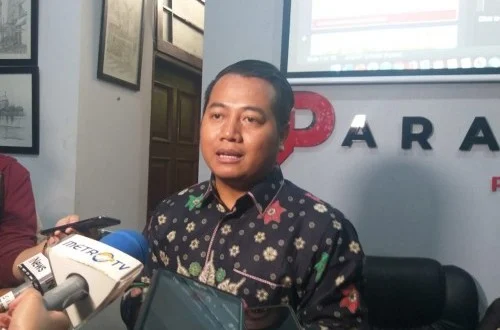
Adi Prayitno, the Executive Director of Parameter Politik Indonesia, presented the data during a virtual release on Wednesday, May 29, 2024. He detailed the methodology employed by the firm, noting that respondents were asked individually about their familiarity with various political figures frequently discussed in the media and local circles. The results indicated that Taj Yasin Maimoen, popularly known as Gus Yasin, garnered a popularity rating of 52.1 percent. This figure suggests that more than half of the electorate in Central Java is familiar with his name and political track record, likely bolstered by his five-year tenure in the provincial administration and his deep roots in the influential Nahdlatul Ulama (NU) clerical community.
Following Taj Yasin in the popularity rankings is Hendrar Prihadi, the current Head of the National Public Procurement Agency (LKPP) and the former Mayor of Semarang. Hendrar, widely known as Hendi, secured a popularity rating of 40 percent. In third place is Dico Ganinduto, the current Regent of Kendal, who reached 38.1 percent. While these figures provide an early snapshot of the race, Adi Prayitno cautioned that while these individuals are frequently discussed or "linked" to the upcoming election, none have yet achieved a "shining" or dominant status that would guarantee an easy victory. The survey reflects a field that is still wide open, with no single candidate currently possessing the overwhelming momentum seen in previous cycles.
Detailed Survey Methodology and Public Perception
The Parameter Politik Indonesia survey was designed to gauge the "top-of-mind" awareness and general recognition of potential candidates. Adi Prayitno explained that the process involved presenting a list of names to respondents and asking, "Do you know or are you familiar with the following figure?" This approach measures the reach of a candidate’s personal brand before diving into deeper metrics like electability or favorability.
The data collection period in mid-May 2024 coincides with a period of intense political maneuvering in Indonesia, following the conclusion of the February presidential and legislative elections. As political parties begin to pivot toward regional contests, the popularity of figures like Taj Yasin reflects their existing social capital. Taj Yasin’s prominence is largely attributed to his pedigree as the son of the late legendary cleric Maimun Zubair, a figure of immense moral and political authority in Central Java. His previous role as Vice Governor provided him with a platform to traverse the province’s 35 regencies and cities, cementing his presence in the minds of rural and religious voters.
Hendrar Prihadi’s 40 percent recognition reflects his success in transforming Semarang, the provincial capital, into a modern urban center during his time as mayor. His current role in the central government under President Joko Widodo’s administration has also kept him in the national spotlight. Meanwhile, Dico Ganinduto represents the "youth" factor in the race. As a young leader with a strong social media presence and an active developmental agenda in Kendal, Dico has managed to capture the attention of younger demographics and the urban middle class, despite being relatively new to the provincial stage compared to Taj Yasin.
The Strategic Importance of Central Java
Central Java is traditionally considered the "Kandang Banteng" or the stronghold of the Indonesian Democratic Party of Struggle (PDI-P). For decades, the province has been a reliable vote bank for nationalist movements. However, the 2024 regional elections present a unique challenge. With Ganjar Pranowo having completed two terms and subsequently running for the presidency, there is a perceived power vacuum at the provincial level.
The province is home to over 28 million registered voters, making it the third-largest electoral battleground in Indonesia after West Java and East Java. Winning Central Java is not merely about local governance; it is a statement of national political influence. The outcome of the gubernatorial race will likely dictate the influence of major parties leading up to the 2029 national elections. Consequently, the popularity of figures like Taj Yasin, who bridges the gap between nationalist and religious (Santri) voter bases, is of paramount importance to coalition builders in Jakarta.
Chronology of the 2024 Regional Election Cycle
The 2024 regional elections are historic as they mark the first time Indonesia will hold simultaneous elections for governors, regents, and mayors across the entire archipelago in the same year. The timeline for this democratic exercise is strictly regulated by the General Elections Commission (KPU):
- Early 2024: Following the February 14 General Election, political parties began internal evaluations and "talent scouting" for regional heads.
- May 2024: Survey institutions like Parameter Politik Indonesia conducted baseline studies to identify frontrunners and public sentiment.
- August 27–29, 2024: The official registration period for candidates. During this window, parties must formally submit their pairings to the KPU.
- September 22, 2024: The KPU will officially designate the qualified candidates.
- September 25 – November 23, 2024: The official campaign period, where candidates will engage in debates and public rallies.
- November 27, 2024: Election Day. Voters across Central Java will cast their ballots to decide the successor to the interim leadership currently managing the province.
This chronology highlights that the PPI survey was conducted during the "pre-registration" phase, a critical time when parties negotiate coalitions based on the perceived popularity and electability of potential nominees.
Emerging Contenders and Potential Coalitions
Beyond the top three figures mentioned in the PPI survey, several other names have begun to circulate in the Central Java political discourse. These include Ahmad Luthfi, the current Central Java Regional Police Chief, and Sudaryono, the Chairman of the Gerindra Party’s provincial chapter. Although their popularity may currently trail behind Taj Yasin, their institutional backing and strategic positions make them formidable "dark horse" candidates.
Ahmad Luthfi, in particular, has seen a surge in visibility through public service announcements and his role in maintaining regional security. His potential transition from a high-ranking police officer to a political candidate mirrors the paths taken by several other regional leaders in Indonesia. Sudaryono, on the other hand, benefits from the "Prabowo Effect." Following Prabowo Subianto’s victory in the 2024 Presidential Election, Gerindra is looking to expand its footprint in traditional PDI-P territories, and Sudaryono is seen as the spearhead of this effort in Central Java.
The formation of coalitions will be the next major milestone. In Central Java, a successful ticket often requires a balance between a "Nationalist" figure (typically from PDI-P or Gerindra) and a "Religious" figure (typically from PKB or PPP). Taj Yasin Maimoen, with his PPP background and NU ties, fits the "Religious" slot perfectly, making him a highly sought-after running mate or even a primary candidate for a broad coalition.
Analysis of the "Not Mentereng" Remark
A notable takeaway from Adi Prayitno’s presentation was his assessment that no candidate is currently "mentereng" (shining or exceptionally prominent). This analysis stems from the fact that none of the candidates have crossed the 60 or 70 percent popularity threshold, which is often seen as the "safety zone" for incumbents or clear favorites.
This lack of a dominant figure suggests several things about the current state of Central Java politics:
- Fragmented Loyalty: The electorate is no longer consolidated behind a single charismatic leader like Ganjar Pranowo.
- Wait-and-See Approach: Many voters are likely waiting for official party endorsements before committing their support or even paying close attention to the race.
- The Role of the Interim Government: Since Ganjar Pranowo stepped down, the province has been led by an Acting Governor (Pj Gubernur) Nana Sudjana. The absence of an active, campaigning incumbent allows for a more level playing field but also results in lower overall public engagement with potential successors.
Implications for Governance and Policy
The popularity of Taj Yasin and Hendrar Prihadi suggests that voters in Central Java value experience in provincial and municipal administration. Central Java faces several pressing issues that will dominate the upcoming campaign:
- Poverty Reduction: Despite significant progress, several pockets of the province remain among the poorest in Java.
- Infrastructure and Flooding: Coastal areas, including Semarang and Demak, continue to struggle with tidal flooding (rob) and land subsidence.
- Agricultural Stability: As a major rice and onion producer, the province’s agricultural policy is vital for national food security.
Candidates who can translate their popularity into concrete solutions for these regional challenges will likely see their electability rise as the November election nears. The PPI survey serves as a wake-up call for potential candidates that simply being "known" is not enough; they must now begin the arduous work of building a platform that resonates with the diverse needs of Central Java’s population, from the industrial corridors of the north to the agrarian heartlands of the south.
As the political machinery of the major parties grinds into gear, the data provided by Parameter Politik Indonesia offers a foundational map of the electoral terrain. Taj Yasin Maimoen currently holds the high ground, but in the volatile world of Indonesian regional politics, the race is only just beginning. The coming months will determine whether these popular figures can consolidate their lead or if a new challenger will emerge to redefine the future of Central Java.