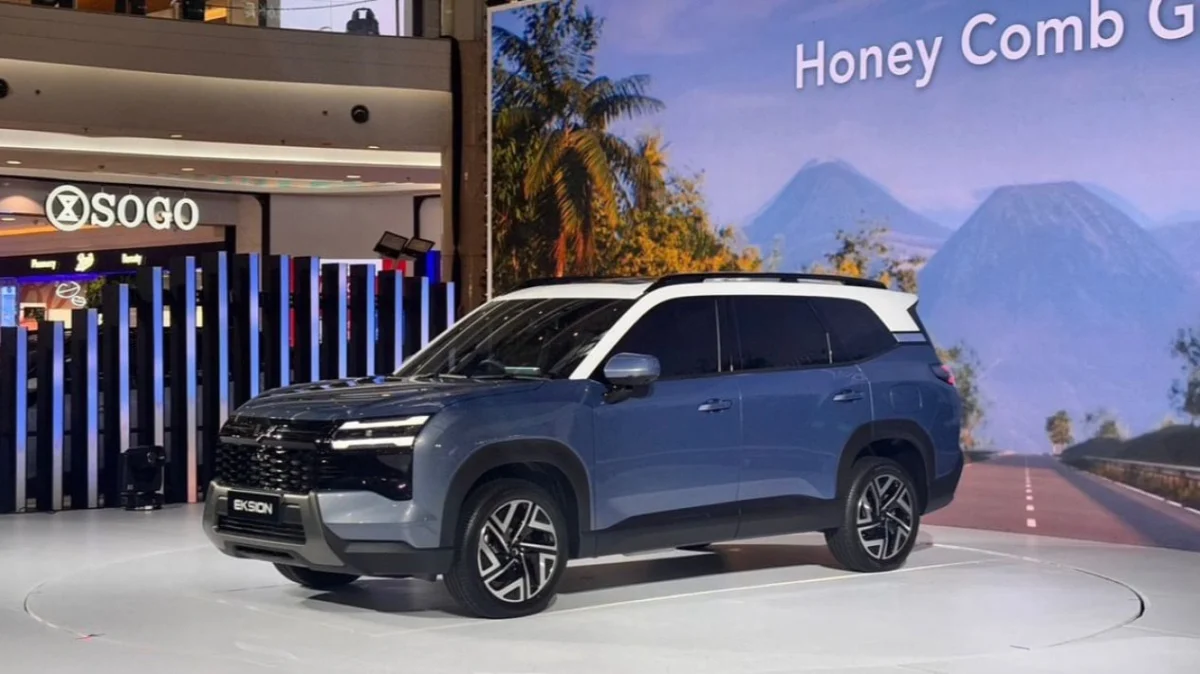
Jakarta, September 18, 2026 – The landscape of automotive technology continues to evolve at a rapid pace, presenting consumers with an array of choices ranging from traditional combustion engine vehicles to fully battery-electric cars. Amidst this transition, a versatile middle-ground solution has steadily captured the attention of global and regional markets: the Plug-in Hybrid Electric Vehicle (PHEV). Bridging the gap between zero-emission daily commuting and long-distance driving freedom, PHEVs utilize both an external electric power source and a conventional internal combustion engine (ICE). Adding to this growing segment, Wuling Motors has officially introduced its latest innovation to the market, the Eksion PHEV, a seven-seater sports utility vehicle designed to address the multifaceted mobility demands of modern families.
The introduction of the Eksion PHEV highlights a strategic shift in how automotive manufacturers approach vehicle electrification, particularly in emerging markets where charging infrastructure development remains a work in progress. While fully electric vehicles (EVs) rely entirely on public and private charging stations, and traditional internal combustion engine vehicles depend exclusively on fuel service stations, dual-energy vehicles like the Eksion PHEV offer a dual-source approach. This flexibility has positioned PHEVs as a pragmatic transitional technology for motorists seeking to reduce their carbon footprint without encountering "range anxiety" during extended road trips.
Anatomy of Dual-Energy Mobility: How PHEV Technology Operates
At its core, a Plug-in Hybrid Electric Vehicle combines the mechanical advantages of a traditional fuel-powered automobile with the environmental and efficiency benefits of an electric vehicle. The vehicle features an onboard battery pack that can be replenished by plugging it into an external power supply, such as a domestic wall outlet or a public charging station. This stored electrical energy drives an electric motor, allowing the vehicle to operate purely on electricity for specified distances.
Simultaneously, the vehicle houses an internal combustion engine, which serves as a secondary or complementary power source. When the battery’s state of charge depletes, or when driving conditions demand heightened performance—such as rapid acceleration, high-speed highway cruising, or heavy hauling—the internal combustion engine seamlessly engages. In certain driving scenarios, the system combines the output of both the electric motor and the gasoline engine to optimize efficiency and deliver robust performance.
In the case of the newly unveiled Eksion PHEV, this complex orchestration of power is managed by Wuling’s proprietary LING Power technology architecture. This advanced system integrates a dedicated hybrid engine, a high-efficiency electric motor, and a Dedicated Hybrid Transmission (DHT). Rather than operating as isolated components, these elements function as a cohesive, unified system that intelligently calculates and distributes torque and power based on real-time driving dynamics, road conditions, and driver inputs.
Engineering and Performance: The LING Power Architecture
The integration of the LING Power system within a seven-seater SUV framework represents a significant engineering achievement. Developing a powertrain capable of moving a large family vehicle efficiently requires a careful balance between electrical propulsion and thermal engine performance. The dedicated hybrid engine is specifically optimized to operate within its most thermally efficient range, often acting as a generator to recharge the battery or supplying direct mechanical drive to the wheels when cruising at optimal speeds.
The Dedicated Hybrid Transmission (DHT) plays a pivotal role in this process. Unlike conventional automatic transmissions or continuously variable transmissions (CVTs), a DHT is engineered specifically for hybrid applications. It eliminates the traditional multi-speed gearboxes by using specialized clutch systems and electric motor generators to seamlessly blend power delivery. This results in smooth transitions between electric drive, hybrid drive, and engine-only drive modes, largely imperceptible to the vehicle’s occupants.
Furthermore, the Eksion PHEV is equipped with a versatile suite of driving modes that allow operators to tailor the vehicle’s behavior to their specific preferences and journey requirements. The system is bifurcated into character modes—namely Eco, Normal, and Sport—which adjust throttle response, steering weight, and power delivery curves. Additionally, energy management modes—including EV Max, EV First, Hybrid, and Fuel Priority—give drivers explicit control over how the vehicle consumes its dual energy reserves.
Strategic Product Positioning and Market Relevance
Aji Ibrahim, Product Planning Director at Wuling Motors, emphasized that the introduction of the Eksion PHEV is a direct response to the diverse lifestyle requirements of contemporary consumers. Speaking on the strategic positioning of the vehicle, Ibrahim noted that the multi-passenger configuration combined with hybrid versatility addresses a distinct gap in the market.
"The presence of the Eksion PHEV as a seven-seater SUV from Wuling provides families with the freedom to drive more flexibly, whether supporting daily urban mobility or embarking on long-distance family journeys," Ibrahim stated during the vehicle’s introductory briefing.
The choice of a seven-seater SUV configuration is particularly strategic. In many developing and emerging automotive markets across Southeast Asia, multi-purpose vehicles (MPVs) and large SUVs dominate family purchasing decisions due to their ability to accommodate larger households and transport substantial cargo. By applying PHEV technology to a seven-seater vehicle, Wuling aims to capture consumers who require space and utility but are hesitant to commit to a purely electric vehicle due to infrastructure limitations outside major metropolitan areas.
Operational Flexibility for Daily Commutes and Long-Distance Travel
The primary operational advantage of the Eksion PHEV lies in its dual-nature adaptability. For daily urban commuting—characterized by stop-and-go traffic, low average speeds, and short distances—drivers can prioritize electric operation. By utilizing the EV Max or EV First modes, motorists can complete their daily school runs, office commutes, and local errands entirely on electricity, producing zero tailpipe emissions and significantly reducing fuel expenditure.
Based on testing conducted under the China Light-duty Vehicle Test Cycle (CLTC), the Eksion PHEV’s pure electric driving range reaches an impressive 125 kilometers on a single full charge. For the average commuter, this range is more than sufficient to cover multiple days of local driving before requiring a recharge.
Conversely, when weekend getaways or interstate travel beckon, the limitations of pure electric vehicles evaporate. By engaging the hybrid or fuel priority modes, the vehicle utilizes its internal combustion engine in tandem with the electrical system. According to Wuling’s official performance metrics derived from CLTC evaluations, the combined driving range—utilizing both a fully charged battery and a full tank of gasoline—exceeds 1,000 kilometers. This extended operational radius ensures that drivers can embark on cross-country road trips without the necessity of planning intricate routes around public charging station availability.
Economic and Environmental Implications of PHEV Adoption
The widespread introduction of plug-in hybrid vehicles carries notable economic and environmental implications for the broader automotive ecosystem. From an environmental standpoint, PHEVs serve as an effective bridge toward complete decarbonization. While pure battery electric vehicles offer the ultimate goal of zero tailpipe emissions, their adoption rate is frequently bottlenecked by high initial purchase costs, battery supply chain constraints, and underdeveloped charging infrastructure in secondary and tertiary cities.
PHEVs mitigate these hurdles by requiring significantly smaller battery packs than full EVs—thereby lowering manufacturing costs and reducing the demand for scarce raw materials like lithium, cobalt, and nickel—while still offering the vast majority of daily driving as zero-emission transit. For consumers who have access to home charging, the vast majority of fuel consumption can be virtually eliminated during the workweek, while the fallback of a gasoline engine removes the psychological and practical barriers associated with long-distance travel.
Economically, vehicles like the Eksion PHEV provide a cost-effective alternative to traditional fossil-fuel-dependent SUVs. Given the volatility of global oil prices, the ability to substitute gasoline with domestically generated electricity for daily commuting offers substantial household savings. At the same time, it shields consumers from the anxiety of grid unreliability or insufficient fast-charging networks during peak holiday travel seasons.
Industry Outlook and Future Trajectory
As automotive manufacturers navigate the complex regulatory environments and shifting consumer preferences of the mid-2020s, the powertrain strategy of major brands has grown increasingly pragmatic. While strict governmental mandates continue to push for lower fleet-average emissions, market realities dictate that consumer adoption must be accommodated through flexible technological solutions.
Wuling’s launch of the Eksion PHEV underscores this adaptive industry philosophy. By combining a family-friendly seven-seater architecture with an advanced LING Power dual-energy system, the company is positioning itself to capture a broad demographic of buyers who refuse to compromise between space, efficiency, and range.
As the vehicle officially enters the market, industry analysts will be closely monitoring consumer uptake and real-world efficiency figures to determine whether dual-energy PHEVs will outpace pure electric vehicles in multi-purpose vehicle segments. Regardless of short-term market fluctuations, the arrival of models like the Eksion PHEV signals a mature phase in the electrification movement—one where technology is tailored directly to the nuanced demands of everyday human mobility.