Jakarta, VIVA – President Prabowo Subianto announced a landmark achievement for Indonesia’s energy independence, declaring that the nation has ceased importing solar diesel fuel as of July 2026. This pivotal shift comes after the successful development and implementation of B50, a groundbreaking biodiesel blend comprising 50 percent palm oil-based fuel. The announcement was made by President Prabowo during his address at the TNI Grand Harvest event, a program supporting national food security, held at Abdulrachman Saleh Air Force Base in Malang Regency, East Java, on Friday, July 17, 2026.
A Decade of Determined Pursuit: Indonesia’s Energy Independence Journey
Indonesia, a nation endowed with vast natural resources, has long harbored ambitions of achieving energy self-sufficiency, reducing its reliance on volatile global fossil fuel markets. The journey towards this goal has been incremental yet steadfast, particularly concerning its diesel consumption. For decades, the archipelago nation has been a significant importer of diesel, a critical fuel for its vast transportation, industrial, and agricultural sectors. This dependence led to substantial foreign exchange outflows and exposed the domestic economy to the vagaries of international oil prices.
Recognizing the strategic importance of its abundant palm oil resources, the Indonesian government initiated a series of ambitious biodiesel programs. The first significant step was the mandatory implementation of B20 (20% palm oil biodiesel blend) in 2016, which was progressively scaled up to B30 in 2020. The B30 program, which blended 30% fatty acid methyl ester (FAME) derived from palm oil with 70% petroleum diesel, marked a significant milestone, making Indonesia the largest biodiesel user globally at the time. This was followed by the introduction of B40, an even higher blend, which underwent extensive trials and gradually entered wider circulation. These programs were not merely about fuel substitution; they were integral to a broader national strategy aimed at diversifying the energy mix, enhancing energy security, and providing stable demand for the country’s vast palm oil industry. The sustained commitment to these blends laid the foundation for the audacious leap to B50.
The B50 Breakthrough: A Technical and Strategic Triumph
President Prabowo proudly asserted that Indonesia stands as the first country in the world to successfully produce and implement B50 on a national scale. "Previously, we successfully became the first country in the world to produce B50. We now produce diesel from palm oil. Therefore, starting this July, we will no longer import diesel from abroad," he stated, highlighting the magnitude of the achievement.
The development of B50 was not without its technical complexities. Increasing the blend ratio of biodiesel presented challenges related to fuel stability, engine compatibility, and cold flow properties. Extensive research and development, spearheaded by state-owned enterprises, universities, and private sector players, were crucial in overcoming these hurdles. Innovations in catalyst technology, feedstock processing, and additive formulations were essential to ensure that B50 could perform reliably across various engine types and climatic conditions prevalent in Indonesia. The success of B50 underscores years of dedicated scientific inquiry and engineering prowess, translating laboratory breakthroughs into industrial-scale application. This achievement is a testament to Indonesia’s growing technical capabilities and its commitment to harnessing domestic resources for strategic national objectives.
Economic Dividends: Bolstering Domestic Circulation and Farmer Prosperity

The cessation of solar imports and the full adoption of B50 are projected to yield substantial economic benefits for Indonesia. President Prabowo emphasized that the funds previously allocated to purchasing foreign diesel will now remain within the domestic economy. "It is better for that money to circulate in Indonesia, to be enjoyed by palm oil farmers across Indonesia," he remarked, underscoring the direct economic impact on a crucial segment of the population.
Indonesia is the world’s largest producer of palm oil, with millions of smallholder farmers and large plantations contributing significantly to its economy. In 2025, Indonesia’s crude palm oil (CPO) production was estimated to be around 55-58 million tons, a substantial portion of which is typically exported. The domestic biodiesel mandate provides a captive market for CPO, insulating farmers and producers from the volatility of international commodity prices. By increasing domestic demand for palm oil, the B50 program is expected to stabilize and potentially boost CPO prices, directly translating into improved livelihoods for the approximately 17 million people involved in the palm oil sector.
Furthermore, the shift to B50 is anticipated to significantly reduce Indonesia’s foreign exchange expenditure. Prior to this, Indonesia’s annual diesel imports could run into billions of US dollars, depending on global oil prices and domestic demand. For instance, in 2024, despite existing biodiesel mandates, Indonesia still imported significant volumes of diesel, costing several billion dollars. By eliminating these imports, the country strengthens its balance of payments, bolsters its foreign exchange reserves, and reduces its vulnerability to global energy market fluctuations. This move aligns with broader government efforts to enhance macroeconomic stability and foster sustainable economic growth driven by domestic resources.
Environmental Footprint: Balancing Progress with Sustainability
While the economic benefits are clear, the environmental implications of widespread palm oil biodiesel use have often been a subject of international debate. Proponents highlight that palm oil biodiesel offers a renewable alternative to fossil fuels, potentially leading to a reduction in greenhouse gas (GHG) emissions. Studies commissioned by the Indonesian government and various research bodies have indicated that palm oil-based biodiesel can reduce GHG emissions by 50-60% compared to conventional diesel, contributing to Indonesia’s climate change mitigation targets under the Paris Agreement. The transport sector is a major contributor to national emissions, and biofuels offer a pathway to decarbonization.
However, environmental groups have frequently raised concerns about the sustainability of palm oil production, particularly regarding deforestation, biodiversity loss, and peatland conversion. In response to these criticisms, Indonesia has intensified its efforts to promote sustainable palm oil cultivation through initiatives like the Indonesian Sustainable Palm Oil (ISPO) certification system. The ISPO standard mandates adherence to environmental protection, social responsibility, and good agricultural practices. The government has also implemented a moratorium on new palm oil plantation licenses in primary forests and peatlands since 2016, demonstrating a commitment to curbing unsustainable expansion. The success of the B50 program, therefore, is intrinsically linked to the continued strengthening and enforcement of these sustainability frameworks, ensuring that the economic gains do not come at an unacceptable environmental cost.
Beyond Biodiesel: A Holistic Renewable Energy Push
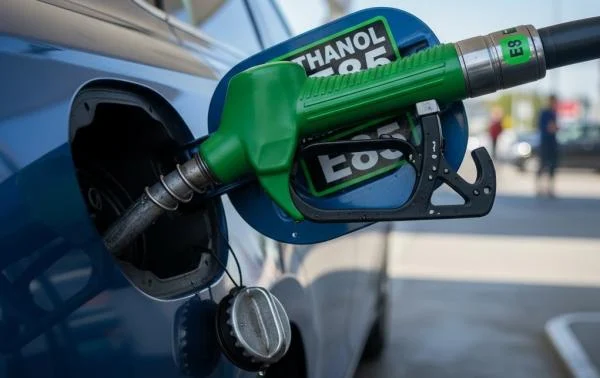
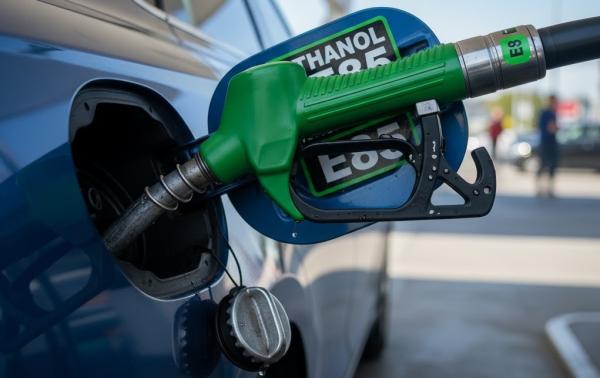
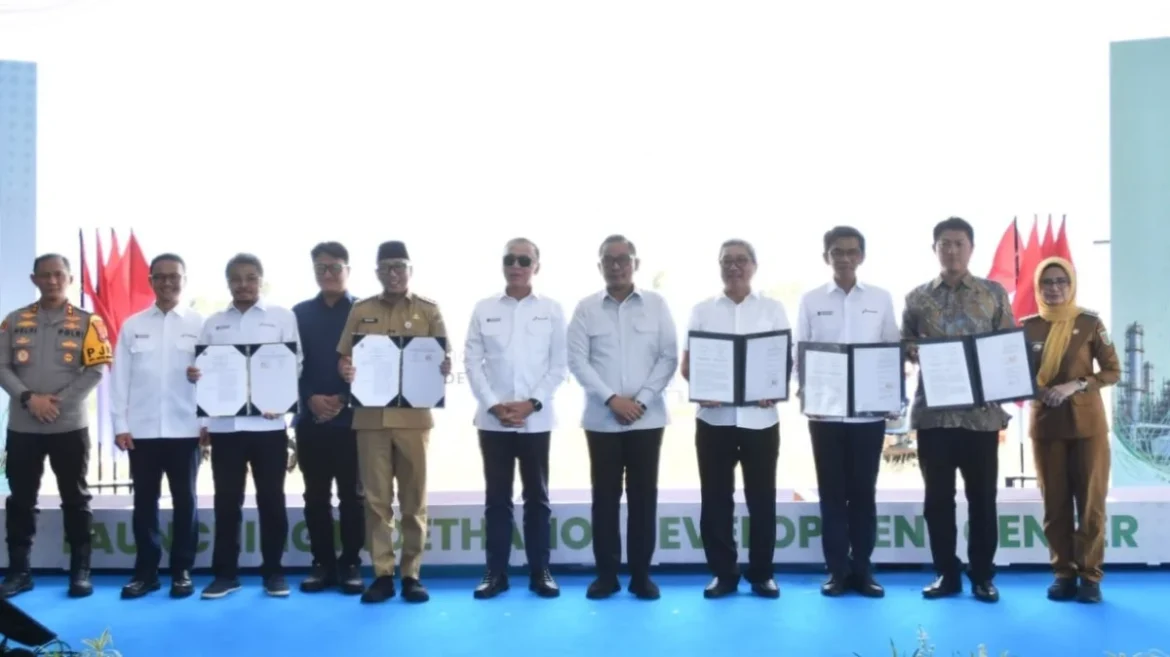
The B50 program is not an isolated policy but rather a cornerstone of Indonesia’s broader and more ambitious renewable energy strategy. President Prabowo outlined parallel efforts to diversify the national energy mix, including the development of bioethanol. The government has initiated the use of gasoline blended with 10 percent ethanol, known as E10, as an initial phase for national bioethanol development.
Looking ahead, Indonesia aims to increase the bioethanol blend to E20. To achieve this target, the government plans to accelerate the construction of new bioethanol production facilities. President Prabowo acknowledged that Indonesia currently possesses only one bioethanol plant, indicating a significant need for increased production capacity to support the ambitious renewable energy targets. This multi-pronged approach, encompassing both biodiesel and bioethanol, reflects a comprehensive vision for reducing fossil fuel dependence across various sectors and leveraging the nation’s agricultural strengths to power its future. The development of bioethanol, often derived from crops like sugarcane or cassava, further diversifies the agricultural commodities supporting the energy transition, reducing reliance on a single feedstock.

Stakeholder Perspectives and Reactions
The announcement has been met with widespread acclaim from various stakeholders within Indonesia.
- Government Officials: Ministers from the Ministry of Energy and Mineral Resources (ESDM) and the Ministry of Agriculture are expected to laud the achievement as a testament to inter-ministerial cooperation and a significant step towards national energy resilience. They would likely emphasize the meticulous research, policy formulation, and industrial collaboration that made B50 possible.
- Palm Oil Industry Associations: Groups such as the Indonesian Palm Oil Association (GAPKI) are likely to express strong support, viewing B50 as a crucial market stabilizer and demand driver for CPO. They would highlight the benefits for farmers and the industry’s role in national development.
- Farmers: Representatives of smallholder palm oil farmers would convey optimism about improved income stability and reduced vulnerability to global market fluctuations. The assurance of a domestic market provides a much-needed buffer for their livelihoods.
- Economists: Analysts from major financial institutions would generally view the move positively, citing the reduction in import bills, strengthening of the rupiah, and the domestic economic multiplier effect. However, some might also caution about potential inflationary pressures if CPO prices rise too sharply, impacting other food industries.
- Environmental Organizations: While acknowledging the step away from fossil fuels, local and international environmental NGOs would likely reiterate calls for stringent monitoring and enforcement of sustainable palm oil practices. They would emphasize that the environmental benefits of biodiesel must not be negated by unsustainable land-use changes.
- International Energy Agencies: Global bodies might note Indonesia’s leadership in high-blend biodiesel, potentially encouraging other palm oil-producing nations to explore similar strategies, while also maintaining a watchful eye on sustainability credentials.
Challenges and the Road Ahead
While the cessation of solar imports marks a monumental success, the road ahead is not without its challenges. Sustaining the B50 program requires consistent supply of CPO, which can be affected by weather patterns, agricultural diseases, and global demand dynamics. Ensuring the long-term sustainability of palm oil production, free from deforestation and social conflicts, remains paramount for international acceptance and market stability. Continued investment in research and development will be crucial to further optimize biodiesel production, explore new feedstocks, and address any unforeseen technical issues that may arise with prolonged B50 usage across diverse vehicle fleets.
Furthermore, the expansion of bioethanol production necessitates significant capital investment in new facilities and the development of robust supply chains for feedstocks like sugarcane or cassava. Policy consistency and regulatory frameworks that provide long-term certainty for investors will be vital for attracting the necessary funding. The government will also need to manage potential competition for agricultural land between food production and energy crops.
Geopolitical and Global Implications
Indonesia’s successful pivot away from solar imports through B50 could have significant geopolitical implications. It positions Indonesia as a leader in biofuel innovation and energy independence among developing nations. It demonstrates a viable pathway for countries rich in biomass resources to reduce their reliance on imported fossil fuels, fostering greater energy sovereignty. This could inspire similar initiatives in other regions, particularly in Southeast Asia and Latin America, where agricultural resources are abundant.
Globally, the move also contributes to the diversification of the world’s energy supply chain, potentially reducing the concentration risk associated with conventional oil and gas. While the immediate impact on global oil markets might be marginal, it sets a precedent for how large, resource-rich nations can strategically leverage their domestic capabilities to reshape their energy landscape and contribute to global decarbonization efforts.
In conclusion, President Prabowo Subianto’s announcement marks a historic moment for Indonesia. The successful implementation of B50 and the subsequent halt of solar imports underscore years of strategic planning, scientific endeavor, and political commitment. It represents not just an energy transition, but a powerful declaration of economic self-reliance and a bold step towards a more sustainable future, with profound implications for the nation’s economy, environment, and global standing.