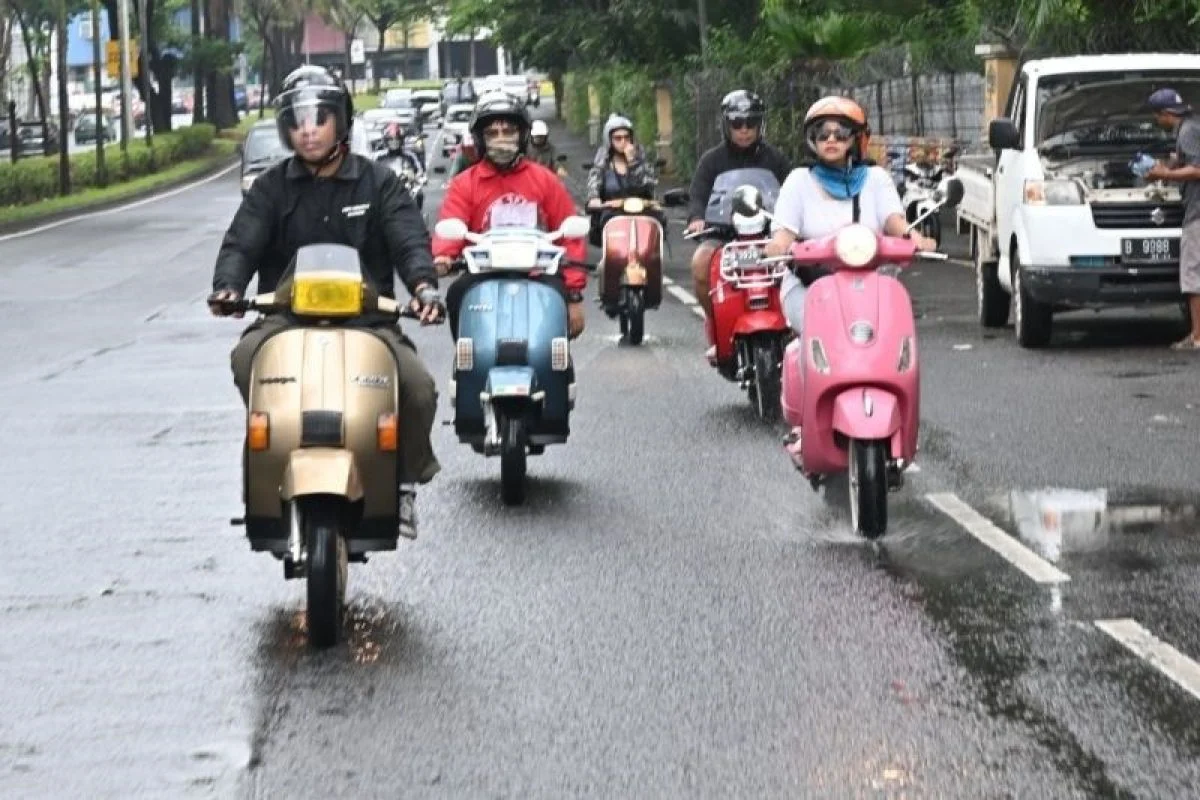
Jakarta, Indonesia – The Vespa matic, a celebrated blend of classic Italian design and contemporary automatic transmission technology, has cemented its position as a popular choice for urban mobility across Indonesia, particularly among the younger demographic. Its distinctive aesthetic, coupled with the convenience and comfort it offers for daily commutes, makes it a ubiquitous sight on bustling city streets. However, like all sophisticated machinery, these iconic scooters demand meticulous routine maintenance to ensure their optimal performance and longevity. Regular servicing, encompassing tasks such as engine oil and gear oil replacement, fuel injection system cleaning, and Continuous Variable Transmission (CVT) inspection, forms the bedrock of a healthy Vespa matic. Despite diligent adherence to these maintenance schedules, a persistent and often frustrating issue plagues many owners: the engine "brebet," or a noticeable hesitation and stuttering sensation when the throttle is applied. This condition not only diminishes the riding experience by compromising acceleration but can also signal underlying mechanical problems that, if left unaddressed, could lead to more significant and costly repairs.
The phenomenon of "brebet" in a Vespa matic engine is generally indicative of an imbalance or malfunction within one or more critical operational systems: the ignition system, the fuel delivery system, the air intake system, or even the CVT transmission. Understanding the intricate interplay of these components is crucial for accurate diagnosis and effective resolution. Industry data suggests that a significant percentage of vehicle performance complaints stem from issues within these core areas, highlighting the importance of a holistic diagnostic approach. Automotive experts widely acknowledge that prompt attention to such symptoms is key to preventing escalation of damage and preserving the scooter’s overall health and resale value.
Understanding the "Brebet" Phenomenon and Its Impact
The term "brebet," often used by Indonesian riders, describes a condition where the engine struggles to deliver smooth power, resulting in a feeling of stuttering, surging, or a flat spot in acceleration. This can manifest as a momentary loss of power, an uneven throttle response, or even vibrations during acceleration. Beyond the immediate discomfort and frustration, a persistent "brebet" can have several implications. It indicates inefficient combustion, leading to higher fuel consumption and increased emissions. More critically, it can compromise rider safety, especially in urban environments where swift and predictable acceleration is often necessary to navigate traffic. Ignoring this symptom can accelerate wear on other engine components, ultimately leading to premature failure and expensive overhauls.
The Pillars of Engine Performance: A Brief Overview
To fully grasp the causes of engine hesitation, it’s essential to understand the fundamental requirements for optimal internal combustion:
- Ignition: A strong, precisely timed spark is needed to ignite the air-fuel mixture.
- Fuel: A consistent and correctly atomized supply of fuel, mixed in the right ratio with air.
- Air: An unobstructed and sufficient flow of clean air into the combustion chamber.
- Compression: Adequate compression within the cylinders (though less commonly a direct cause of intermittent "brebet" in modern engines, it’s fundamental).
- Exhaust: Efficient expulsion of exhaust gases.
When any of these pillars falter, particularly ignition, fuel, or air, the engine’s ability to combust efficiently is compromised, leading directly to symptoms like "brebet." For automatic scooters like the Vespa matic, the transmission system, specifically the CVT, also plays a crucial role in transferring power smoothly to the wheels, and issues here can mimic engine-related hesitation.
Detailed Examination of Common Causes
Drawing insights from sources like Vestigo and various automotive media outlets, the following are the most frequently encountered culprits behind a "brebet" Vespa matic:
1. Deterioration of the Spark Plug Cap (Cangklong Busi)
Often overlooked during routine checks, the spark plug cap, or "cangklong busi," is a vital component in the ignition system. Its primary role is to establish a secure electrical connection between the ignition coil and the spark plug, ensuring the unimpeded flow of high-voltage current. In Vespa matic scooters, these caps are typically constructed from rubber or a similar polymer. Over time and with exposure to engine heat cycles, this material can harden, crack, or become brittle (getas). This degradation compromises the cap’s insulating properties and its ability to maintain a firm grip on the spark plug.
Furthermore, improper installation or repeated removal can cause the internal spring contact (spring contact) to shift from its optimal position. When the contact is weak or intermittent, the electrical current delivered to the spark plug becomes unstable. This instability results in a weaker, inconsistent spark in the combustion chamber. Consequently, the air-fuel mixture does not ignite completely or efficiently, leading to partial combustion and the tell-tale "brebet" sensation, particularly during acceleration when a strong, consistent spark is most critical. Representatives from authorized Vespa service centers consistently advise technicians to inspect the spark plug cap during every major service, as its subtle deterioration can have significant performance ramifications.
2. Fouled or Worn Spark Plugs
The spark plug itself is the heart of the ignition system, responsible for generating the electric arc that ignites the compressed air-fuel mixture. Over thousands of combustion cycles, the spark plug’s tip can accumulate deposits of carbon, oil, or fuel additives, forming a layer of "kerak karbon." These deposits can act as insulators, hindering the spark’s intensity and effectiveness. Simultaneously, the electrodes of the spark plug are subject to constant erosion from the high voltage and extreme temperatures, causing them to wear down. This wear increases the gap between the electrodes beyond the manufacturer’s specified tolerance.
When the spark plug is fouled or its electrodes are worn, the spark generated becomes weak, inconsistent, or even misfires. This directly impedes the complete combustion of the air-fuel mixture, leading to a loss of engine power, reduced fuel efficiency, and the characteristic "brebet" or stuttering when the throttle is engaged. Regular spark plug inspection and replacement, typically every 8,000 to 12,000 kilometers or as per the manufacturer’s recommendation, are fundamental preventative measures. Automotive experts emphasize that choosing the correct type and heat range of spark plug for the specific Vespa model is also paramount for optimal performance.
3. Malfunctioning Ignition Coil or Spark Plug Cable
Beyond the spark plug and its cap, issues with the ignition coil or the high-tension spark plug cable can also precipitate engine hesitation. The ignition coil’s function is to transform the low-voltage electrical current from the battery into the extremely high voltage required to create a spark across the spark plug gap. If the coil begins to weaken due to internal degradation, or if the spark plug cable develops cracks, cuts, or internal resistance from prolonged use and exposure, the electrical energy transmitted to the spark plug will be compromised.
A reduced or erratic voltage supply to the spark plug translates directly into a weak or intermittent spark. This, in turn, leads to inefficient combustion, manifesting as decreased engine performance and the notorious "brebet" symptom, especially under load or during acceleration. Diagnosing coil or cable issues often requires specialized equipment to test their electrical integrity, a task best performed by certified technicians.
4. Clogged Fuel Filter or Weak Fuel Pump
The fuel system plays an equally critical role in engine performance. A common culprit for engine hesitation is a compromised fuel delivery system. The fuel filter is designed to trap impurities and contaminants present in the gasoline, preventing them from reaching sensitive components like the fuel pump and injectors. Over time, this filter can become clogged with sediment, severely restricting the flow of fuel to the engine.
Similarly, the electric fuel pump, responsible for delivering fuel at a consistent pressure to the fuel injection system, can weaken with age or become partially blocked by debris. When either the fuel filter is clogged or the fuel pump is underperforming, the engine receives an insufficient or erratic supply of fuel. This "lean" fuel condition disrupts the ideal air-fuel ratio required for complete combustion, causing the engine to struggle and "brebet," particularly during acceleration when the demand for fuel is highest. Early warning signs might include difficulty starting or a noticeable drop in power at higher RPMs.
5. Dirty Injectors or Throttle Body
Modern Vespa matic scooters utilize sophisticated electronic fuel injection (EFI) systems, which rely on precisely controlled fuel injectors to atomize fuel into a fine mist directly into the engine’s intake manifold or combustion chamber. The throttle body regulates the amount of air entering the engine. Over time, both the fuel injectors and the throttle body can accumulate carbon deposits and varnish from fuel impurities and combustion byproducts.
When injectors become dirty, their spray pattern can be disrupted, leading to uneven fuel distribution or incomplete atomization. This results in an imbalanced air-fuel mixture in the combustion chamber. Similarly, carbon buildup in the throttle body can interfere with the smooth flow of air and the precise operation of the throttle plate. These conditions collectively prevent optimal combustion, causing the engine to "brebet," especially during transitions in throttle input. Regular cleaning of the fuel injection system and throttle body, often recommended during scheduled maintenance, is vital for preserving engine smoothness and efficiency.
6. Fuel Contaminated with Water
The quality of fuel is paramount to engine performance. A particularly insidious cause of engine hesitation is the presence of water in the fuel tank. Water, being immiscible with gasoline and non-combustible in an internal combustion engine, severely disrupts the combustion process. Even small amounts can lead to misfires, a noticeable loss of power, and a distinct "brebet" sensation. In more severe cases, a significant volume of water can make the engine extremely difficult or impossible to start.
Water can enter the fuel tank through various means: condensation build-up, a faulty or improperly sealed fuel cap, or even from unscrupulous fuel stations. Owners are strongly advised to always refuel at reputable service stations and to ensure their fuel cap is securely fastened after every fill-up, especially in humid climates or during rainy seasons, to prevent water ingress.
7. Clogged Air Filter
Just as crucial as fuel and spark is a steady supply of clean air. The air filter’s role is to prevent dust, dirt, and other airborne contaminants from entering the engine’s combustion chambers, where they could cause abrasive wear. If the air filter becomes heavily clogged with accumulated debris, it restricts the flow of air into the engine.
A reduced air supply, while the fuel supply remains constant, creates an overly rich air-fuel mixture. This imbalance hinders efficient combustion, leading to a noticeable drop in engine performance and the manifestation of "brebet" symptoms, particularly when the engine is under load or accelerating. Regular inspection and replacement of the air filter, usually at intervals specified by the manufacturer, are simple yet highly effective preventative measures.
8. Worn or Deformed CVT Rollers
Not all instances of "brebet" originate within the engine itself. In several cases, the issue lies within the Continuously Variable Transmission (CVT) system, which is responsible for smoothly transferring power from the engine to the rear wheel. A frequent culprit here is the condition of the CVT rollers. These small, cylindrical components, typically made of a composite material, are critical for the CVT’s operation. They move within the variator unit, influencing the effective diameter of the primary pulley and thereby changing the gear ratio seamlessly.
Over extended periods of use, these rollers can wear down, becoming flattened or "peyang" (deformed) rather than maintaining their perfectly round shape. When rollers are no longer uniformly round, their movement within the variator becomes inconsistent and uneven. This disruption affects the smooth transition of the CVT ratios, leading to jerky acceleration, vibrations, or a distinct "brebet" sensation when the throttle is opened. Symptoms might be more pronounced during initial acceleration or at specific speed ranges. Regular inspection and replacement of worn CVT components, including rollers and the drive belt, are integral parts of routine maintenance for automatic scooters.
Preventing Vespa Matic Engine Hesitation: A Proactive Approach
Maintaining optimal performance for a Vespa matic requires a proactive and diligent approach to vehicle care.
- Adhere to Scheduled Maintenance: The most critical step is to strictly follow the manufacturer’s recommended service schedule. This typically includes regular checks and replacements of spark plugs, air filters, oil, and CVT components. Authorized service centers are equipped with the correct diagnostic tools and genuine parts, ensuring that all components are inspected and serviced according to factory specifications.
- Use Quality Consumables: Always use engine oil, gear oil, and fuel that meet or exceed the manufacturer’s specifications. High-quality fuel, free from contaminants, and appropriate lubricants are fundamental to engine health. Avoiding prolonged periods with an almost empty fuel tank can also reduce the risk of condensation and fuel pump strain.
- Regular System Cleaning: Periodically cleaning the fuel injection system and throttle body helps prevent carbon buildup, ensuring optimal fuel atomization and air intake. This can often be part of a major service.
- Owner Vigilance: Pay attention to your scooter’s behavior. Any unusual sounds, vibrations, or changes in throttle response should be investigated promptly. Early detection of symptoms can prevent minor issues from escalating into major repairs.
Expert Recommendations and Official Stance
Representatives from authorized Vespa service centers consistently advise owners against self-diagnosis and repair for complex engine issues. "While basic checks are good, a ‘brebet’ often requires a deeper diagnostic approach that only specialized tools and trained technicians can provide," states a spokesperson from a major Vespa dealer. "Using genuine parts is also non-negotiable for ensuring reliability and performance. Aftermarket components, while sometimes cheaper, can lead to premature wear or even damage to the intricate systems of a Vespa matic." Automotive experts further emphasize the importance of understanding the specific environmental conditions in Indonesia, such as high humidity and urban dust, which can accelerate the wear and tear of certain components like air filters and spark plug caps.
Broader Implications and Conclusion
The persistent "brebet" in a Vespa matic is more than just a minor inconvenience; it signals a compromised engine that affects safety, fuel efficiency, and the overall lifespan of the vehicle. Ignoring these symptoms can lead to accelerated wear on expensive components, culminating in significantly higher repair costs, potential safety hazards, and a diminished resale value. From an environmental perspective, an inefficiently burning engine produces higher levels of pollutants, contributing to urban air quality concerns.
In conclusion, the timeless appeal and modern convenience of the Vespa matic are best enjoyed when its intricate systems are maintained with precision and care. While the causes of engine hesitation can be diverse, ranging from simple component wear to complex system malfunctions, the solution almost always lies in timely professional diagnosis and adherence to a robust maintenance schedule. By understanding these common issues and adopting a proactive approach to care, Vespa owners can ensure their beloved scooters continue to deliver a smooth, reliable, and enjoyable riding experience for years to come. Prompt intervention upon the first sign of "brebet" is not merely about fixing a problem, but about safeguarding the investment, enhancing riding safety, and preserving the iconic performance synonymous with the Vespa name.
Pewarta: Raihan Fadilah
Editor: Suryanto
Copyright © ANTARA 2026