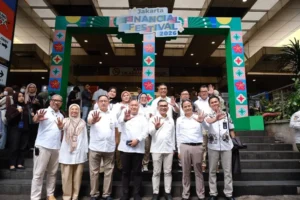
The Chairman of the DPD Partai Perindo Kabupaten Badung, Tri Tonce Yusak Wibowo, officially launched the ‘Gerakan Bersama Rakyat’ (GEBRAK) initiative on Thursday, July 23, 2026, marking a significant push to cultivate a robust entrepreneurial ecosystem among Bali’s youth. This strategic move aims to shift the prevailing mindset from job-seeking to job-creating, leveraging Bali’s unique economic potential despite its already impressive low unemployment rates. The initiative underscores a proactive approach to economic development, seeking to empower local communities and ensure that the benefits of the island’s burgeoning economy are equitably distributed and sustainable for future generations.
Cultivating a New Generation of Entrepreneurs
Bali, often lauded as a premier global tourist destination, has achieved the remarkable distinction of having the lowest unemployment rate in Indonesia. Data from the Central Statistics Agency (BPS) in February 2026 indicated Bali’s open unemployment rate stood at a mere 1.59 percent, a testament to the effectiveness of various government programs in generating employment opportunities. However, this success masks a deeper challenge: the necessity to foster a greater number of entrepreneurs who can not only secure their own livelihoods but also contribute significantly to job creation for others. Yusak articulated this vision, stating, "I want Bali’s young people to have the courage to be masters in their own land, not just employees. Bali needs more entrepreneurs capable of creating jobs for the community." He emphasized that sectors such as tourism, trade, services, the creative economy, and digital technology present immense opportunities for young people to build their own ventures, thereby ensuring that the island’s economic prosperity truly benefits its local population. The GEBRAK initiative is designed to be a catalyst for this transformation, providing the necessary tools, mentorship, and inspiration for aspiring young business leaders.
The Strategic Imperative for Entrepreneurial Growth
The call for increased entrepreneurship in Bali is not merely about job creation; it is a strategic imperative for long-term economic resilience and diversification. While tourism remains the backbone of Bali’s economy, contributing an estimated 60-80% to its regional gross domestic product (GRDP) in pre-pandemic years, the COVID-19 pandemic served as a stark reminder of the vulnerabilities associated with over-reliance on a single sector. Encouraging local entrepreneurship across various sectors, especially in the creative economy and digital technology, can mitigate these risks and foster a more balanced and sustainable economic structure. The shift in mindset championed by GEBRAK aims to instill a sense of ownership and innovation, enabling Balinese youth to tap into global markets and create unique value propositions that extend beyond traditional tourism offerings. This approach aligns with broader national development goals that prioritize the growth of micro, small, and medium-sized enterprises (MSMEs), which are recognized as crucial drivers of economic growth and employment across Indonesia. MSMEs currently account for over 97% of total employment and contribute more than 60% to the national GDP, highlighting their critical role in the country’s economic fabric.
Chronology and Context of the GEBRAK Launch
The launch of GEBRAK by Tri Tonce Yusak Wibowo on July 23, 2026, was the culmination of several preparatory phases, following Perindo Party’s consistent engagement with local communities and youth groups. The initiative was conceptualized based on extensive grassroots consultations and an analysis of Bali’s economic landscape, particularly the paradox of low unemployment juxtaposed with the need for greater local economic empowerment.
- Early 2026: Internal discussions within Perindo Party Badung commenced, identifying youth unemployment and the need for economic diversification as key priorities. This period also saw the release of BPS data (February 2026) confirming Bali’s low unemployment rate, which paradoxically intensified the focus on quality job creation and entrepreneurship.
- Mid-2026: A series of informal meetings and focus group discussions were held with young professionals, students, and existing small business owners across Badung. These sessions aimed to understand the challenges and aspirations of Bali’s youth regarding entrepreneurship, identifying gaps in current support systems.
- July 23, 2026: The official launch event of GEBRAK took place. While the specific venue was not detailed, such events are typically held in prominent community centers or party offices, often involving local dignitaries, youth representatives, and media. Yusak’s keynote address outlined the program’s objectives and called for collective action. The launch emphasized a long-term commitment rather than a one-off event, envisioning GEBRAK as a sustained movement.
The timing of the launch also aligns with the broader political calendar, positioning Perindo Party as a champion of economic development and youth empowerment ahead of potential future elections. By addressing critical economic needs at the local level, the party aims to strengthen its grassroots support and demonstrate its commitment to tangible community upliftment.
Comprehensive Support Through GEBRAK
The GEBRAK initiative is envisioned as a multi-faceted program designed to provide holistic support for young entrepreneurs. Its components are expected to include:
- Entrepreneurship Workshops and Training: Regular sessions covering business plan development, financial literacy, marketing strategies (especially digital marketing), legal aspects of starting a business, and human resource management. These workshops would feature experienced entrepreneurs and industry experts.
- Mentorship Programs: Pairing aspiring young entrepreneurs with established business leaders who can provide guidance, share insights, and offer practical advice based on their own experiences.
- Access to Capital: Facilitating connections between young entrepreneurs and financial institutions, venture capitalists, or government-backed microfinance programs. This could also involve advocacy for simplified loan applications and reduced interest rates for start-ups.
- Digital Literacy and E-commerce Training: Equipping youth with the skills necessary to navigate the digital economy, including creating online stores, utilizing social media for promotion, and understanding digital payment systems.
- Networking Opportunities: Organizing events that allow young entrepreneurs to connect with peers, potential partners, suppliers, and customers, fostering a collaborative business environment.
- Incubation and Co-working Spaces: Potentially establishing or partnering with existing innovation hubs that offer affordable workspace, shared resources, and a supportive community for new businesses.
By providing these resources, GEBRAK aims to lower the barriers to entry for young entrepreneurs and increase their chances of success, thereby contributing to a more dynamic and diversified Balinese economy.
Supporting Data: Bali’s Economic Landscape and Youth Potential
Bali’s economic success story is largely intertwined with its tourism sector. In 2025, prior to the GEBRAK launch, international tourist arrivals to Bali had rebounded significantly, approaching pre-pandemic levels, with millions of foreign visitors contributing billions of dollars to the local economy. This influx primarily benefits sectors such as accommodation, food and beverage, transportation, and retail. However, for a truly resilient economy, diversification is key.
- Creative Economy: Bali has a burgeoning creative economy, encompassing arts, crafts, fashion, digital content, and performing arts. This sector has immense potential for growth, driven by local talent and global demand for unique Balinese products and experiences. Data from the Ministry of Tourism and Creative Economy indicates that the creative economy nationally contributed significantly to GDP, with strong growth projections. In Bali, this sector offers avenues for youth to leverage cultural heritage and artistic skills into viable businesses.
- Digital Economy: Indonesia’s digital economy is one of the fastest-growing in Southeast Asia, with projections reaching hundreds of billions of dollars in transaction value by the end of the decade. Bali, with its tech-savvy youth and appeal to digital nomads, is well-positioned to capitalize on this trend. Opportunities exist in app development, e-commerce, digital marketing services, content creation, and IT support.
- Agriculture and Fisheries: While often overshadowed by tourism, Bali’s traditional sectors of agriculture and fisheries still employ a significant portion of the population. Innovation in these sectors, through agritech, sustainable farming practices, and value-added processing, presents untapped entrepreneurial potential for youth.
- Youth Demographics: Indonesia has a substantial youth demographic, with a significant portion of its population under 30. This demographic dividend represents a vast pool of potential entrepreneurs. Empowering this segment with entrepreneurial skills is crucial for harnessing their energy and innovation for national development.
Official Responses and Stakeholder Reactions (Inferred)
The launch of GEBRAK is expected to garner positive responses from various stakeholders, aligning with existing government and private sector initiatives aimed at economic development and youth empowerment.
- Badung Regency Government: Local government officials, including the Regent of Badung, would likely welcome GEBRAK. An official statement could emphasize the alignment of GEBRAK with the local development agenda, which often includes boosting MSMEs, fostering innovation, and creating sustainable livelihoods for residents. They might express willingness to collaborate with Perindo Party on specific programs, leveraging government resources or existing incubation centers.
- Bali Provincial Government: The provincial administration would also likely view GEBRAK favorably, seeing it as a complementary effort to their broader economic strategies. The Governor of Bali might issue a statement highlighting the importance of youth engagement in economic diversification and reinforcing the province’s commitment to supporting new businesses.
- Chambers of Commerce and Industry (KADIN Bali): Representatives from KADIN Bali would likely commend the initiative, stressing the critical role of private sector growth. They might offer to lend their expertise through mentorship programs, industry insights, and networking opportunities for GEBRAK participants. They would emphasize the need for practical support, access to market information, and a conducive business environment.
- Universities and Vocational Schools: Educational institutions in Bali would likely express enthusiasm, as GEBRAK directly supports their efforts to produce job-ready graduates and cultivate an entrepreneurial mindset. They might explore partnerships for curriculum development, internships, or joint research projects focused on local economic opportunities.
- Youth Organizations and NGOs: Local youth groups would undoubtedly welcome an initiative focused on their empowerment. They could become key partners in disseminating information about GEBRAK, mobilizing participants, and providing feedback from the grassroots level. Their statements would likely underscore the importance of practical skills, mentorship, and access to resources for young people.
- Economic Analysts: Independent economic analysts would likely offer a nuanced perspective. While acknowledging the positive intent and potential benefits of GEBRAK, they might also highlight challenges such as ensuring sustained funding, effective program implementation, overcoming bureaucratic hurdles, and adapting to rapidly changing market demands. They would stress the importance of robust monitoring and evaluation to measure the initiative’s actual impact.
Broader Impact and Implications
The GEBRAK initiative carries significant implications for Bali’s future, extending beyond mere economic indicators.
- Economic Diversification and Resilience: By fostering entrepreneurship in varied sectors, GEBRAK can accelerate Bali’s economic diversification, reducing its reliance on tourism and making it more resilient to global economic shocks or shifts in travel patterns. This would lead to a more stable and robust economy.
- Enhanced Local Value Creation: Empowering local entrepreneurs means more wealth remains within the community. Instead of solely serving external markets or being dominated by large, non-local corporations, local businesses can create products and services that cater to both residents and tourists, adding unique Balinese value to the global marketplace.
- Social Empowerment and Innovation: The initiative can empower young people, giving them a sense of purpose and agency in shaping their own future and that of their island. It fosters a culture of innovation, problem-solving, and self-reliance, which are crucial for societal progress. This can also help in curbing urban migration by creating attractive opportunities locally.
- Political Capital for Perindo Party: For Partai Perindo, GEBRAK represents a tangible commitment to community development and economic upliftment. Such initiatives can enhance the party’s image, build trust with the electorate, and potentially translate into stronger political support in future local and national elections. It demonstrates a proactive approach to addressing societal needs.
- Challenges and Sustainability: While promising, the success of GEBRAK will depend on its long-term sustainability. Challenges include ensuring continuous funding, attracting and retaining qualified mentors, adapting programs to evolving market trends, and effectively reaching youth in remote areas. Overcoming these will require persistent effort, strong partnerships, and agile management. The mindset shift itself is a gradual process that requires consistent reinforcement and visible success stories.
- Model for Other Regions: If successful, GEBRAK could serve as a valuable model for other regions in Indonesia facing similar challenges of youth unemployment, economic concentration, and the need for entrepreneurial growth. Its framework could be adapted and replicated, demonstrating the power of grassroots initiatives supported by political will.
In conclusion, the launch of ‘Gerakan Bersama Rakyat’ (GEBRAK) by Tri Tonce Yusak Wibowo and Partai Perindo Kabupaten Badung signifies a forward-looking strategy to empower Bali’s youth and fortify its economic future. By nurturing a new generation of entrepreneurs, Bali aims not only to maintain its status as an economic leader but also to build a more resilient, diversified, and locally-driven economy that truly benefits all its citizens. The initiative holds the promise of transforming the island’s economic landscape, securing a prosperous and innovative future for generations to come.