The rural economy of Central Lombok in Indonesia’s Nusa Tenggara Barat (NTB) province has reached a significant milestone, driven by community-led initiatives rooted in ancestral heritage. Between January and October 2026, local micro-enterprises, traditional weaving cooperatives, and cultural tourism operators in the indigenous Sasak Ende village recorded an estimated cumulative revenue of Rp1.6 billion. This impressive economic performance underscores the viability of heritage-based tourism and localized enterprise development as sustainable models for regional growth, offering a blueprint for rural empowerment across the archipelago.
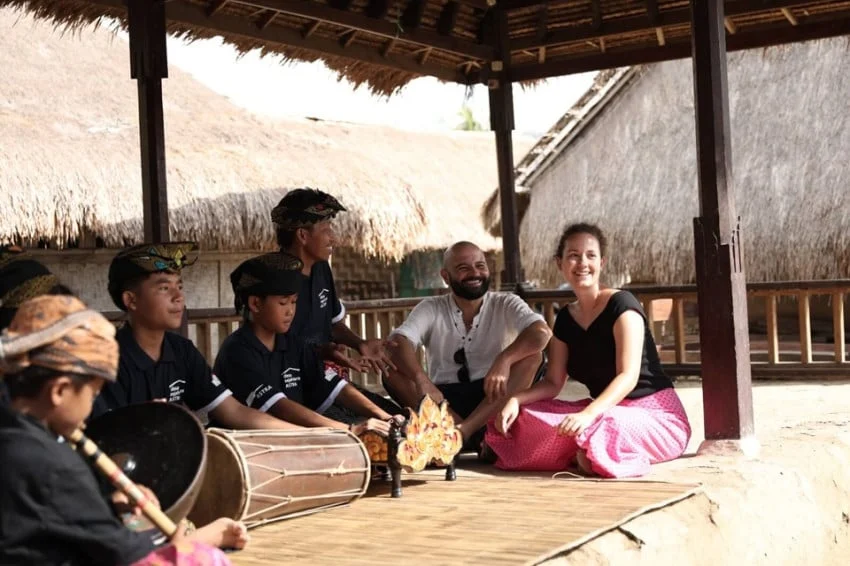
Situated in Sengkol village, Pujut sub-district, Central Lombok Regency, Sasak Ende has long been celebrated for its authentic preservation of the indigenous Suku Sasak lifestyle. Visitors to the village are greeted by traditional architecture featuring thatched-roof houses constructed with a mixture of clay and buffalo dung—a time-tested method known for its durability and cooling properties. However, in recent years, the community’s approach to sharing its heritage has undergone a strategic transformation. Rather than relying solely on passive tourism, villagers have actively engaged in diversified economic activities encompassing high-value traditional handwoven textiles, localized culinary processing, and immersive cultural experiences.
The catalyst behind this modern economic revitalization is a comprehensive mentorship and capacity-building initiative spearheaded by PT Astra International Tbk. Through its structured community development framework, known as the Desa Sejahtera Astra (DSA) program, Astra has collaborated with local stakeholders to bridge the gap between traditional craftsmanship and modern market demands. The intervention in Sasak Ende, facilitated locally by the Ecobiz Desa Sejahtera Astra Lombok mentoring team, represents a concerted effort to turn cultural assets into sustainable commercial opportunities.
A Chronology of Empowerment: From Traditional Roots to Structured Growth
The systematic transformation of Sasak Ende’s local economy did not happen overnight; it is the result of a deliberate, phased developmental timeline designed to foster long-term self-sufficiency among residents.
The foundational phase of the current revitalization initiative commenced in 2025. Recognizing the untapped potential of Suku Sasak traditions, the Ecobiz mentorship program initiated a comprehensive diagnostic assessment of the village’s economic landscape. Initial efforts focused on organizing local artisans, identifying core product categories with high market viability—primarily woven fabrics (kain tenun) and agricultural byproducts—and establishing baseline standards for quality control and packaging.
By late 2025, the program expanded to address structural gaps in tourism management and entrepreneurial literacy. Workshops and training modules were introduced for local Micro, Small, and Medium Enterprises (MSMEs), with a strong emphasis on financial management, digital marketing readiness, and customer service standards. Simultaneously, partnerships were forged with the local Tourism Awareness Group, commonly known as Kelompok Sadar Wisata (Pokdarwis), to empower residents in handling visitor traffic, tour guiding, and destination marketing professionally.
Entering 2026, the initiative shifted toward diversification and experiential tourism development. Recognizing global travel trends favoring authentic, hands-on cultural engagement, stakeholders conceptualized and constructed specialized infrastructure for gastronomy tourism. By October 2026, these concerted efforts culminated in the realization of Rp1.6 billion in business turnover across the village—a testament to the effectiveness of structured corporate social responsibility and community-private partnerships.
Diversifying the Local Economy: Weaving, Gastronomy, and Indigenous Agriculture
At the heart of Sasak Ende’s economic output are three primary pillars: traditional handweaving, agricultural culinary processing, and cultural tourism services.
Traditional weaving remains a cornerstone of female empowerment and household income generation in the village. Suku Sasak women have practiced the intricate art of backstrap loom weaving for generations, passing down complex geometric motifs and natural dyeing techniques from mother to daughter. Under the Astra mentorship program, these artisans have received guidance on refining yarn quality, experimenting with contemporary color palettes while maintaining traditional authenticity, and expanding their market reach beyond walk-in tourists to regional and national collectors. The meticulous nature of each textile—often taking weeks or months to complete—commands a premium price point, directly contributing to the village’s robust revenue figures.
In addition to textiles, the community has leveraged its agricultural abundance to create new revenue streams through gastronomy tourism. Historically reliant on subsistence farming centered around corn, cassava, and various tubers, the villagers have repurposed these indigenous ingredients into commercial culinary products.
The introduction of dedicated cooking class facilities represents a major leap forward for the village’s tourism strategy. Tourists visiting Sasak Ende are no longer restricted to viewing architectural wonders or traditional dance performances; they are now invited to participate directly in the culinary traditions of the Suku Sasak. Visitors can learn how to prepare authentic local delicacies, understand the indigenous farming methods used to cultivate local crops, and appreciate the cultural significance of food within the Sasak cosmology. This immersive approach not only generates immediate revenue through class fees and spice sales but also creates a lasting emotional connection between the traveler and the destination.
Furthermore, the involvement of Pokdarwis has ensured that the management of these diverse tourist activities remains community-driven. Local youth and community leaders have been trained to oversee crowd management, safety protocols, and the preservation of village cleanliness, ensuring that the rapid influx of tourism does not compromise the social fabric or environmental integrity of Sasak Ende.
Regional Economic Context and Broader Implications
The financial success of Sasak Ende arrives against a broader backdrop of robust economic performance in Indonesia’s eastern tourism corridors. Government data indicates that the Indonesian economy grew by 5.47 percent in the third quarter of 2026, with the Bali and Nusa Tenggara regions emerging as standout performers in regional economic expansion. Driven largely by a resurgence in international and domestic tourism, infrastructure developments, and targeted regional incentives, provinces like NTB are experiencing a renaissance in hospitality-driven commerce.
For Central Lombok, which houses the Mandalika Special Economic Zone—a major national tourism hub featuring international racing events—villages like Sasak Ende serve as crucial cultural anchors. While high-end resorts and modern entertainment complexes draw large-scale investments to the coastline, rural cultural tourism provides the vital human element that attracts travelers seeking authentic heritage experiences.
Economic analysts note that the integration of indigenous communities into the formal tourism supply chain yields profound multiplier effects. When rural households directly benefit from visitor spending through weaving cooperatives, culinary workshops, and guided tours, income inequality diminishes, and migration from rural areas to overcrowded urban centers is mitigated. Furthermore, the commercial valuation of cultural assets creates a powerful economic incentive for younger generations to preserve their ancestral languages, arts, and traditions, viewing them not merely as relics of the past, but as viable economic assets for the future.
Stakeholder Perspectives and Future Outlook
While corporate mentorship programs and regional tourism booms provide the framework for success, local leaders and developmental partners emphasize that community ownership remains the ultimate determinant of sustainability.
Representatives from PT Astra International Tbk have consistently highlighted that the Desa Sejahtera Astra model is designed to be self-sustaining over the long term. The objective of the Ecobiz mentorship is not to create dependency on external corporate assistance, but to build local capacity so that village entrepreneurs can independently navigate market shifts, secure financing, and innovate their product offerings. By training local leaders in business acumen, quality assurance, and sustainable tourism management, the program ensures that the economic momentum achieved thus far can weather future industry fluctuations.
Looking ahead, stakeholders in Sasak Ende are exploring further avenues for expansion. Plans are underway to enhance the digital visibility of the village’s MSMEs, allowing global consumers to purchase authentic Suku Sasak woven goods directly through e-commerce platforms. Additionally, discussions are ongoing regarding the potential expansion of the gastronomy tourism curriculum to include organic farming tours, where visitors can trace the journey of indigenous crops from the soil to the dining table.
As Sasak Ende continues to balance the preservation of its ancient heritage with modern entrepreneurial practices, the village stands as a shining example of how rural communities in Indonesia can harness their cultural wealth to achieve economic resilience. With a solid foundation built over the past two years, supported by strategic corporate partnership and favorable regional economic conditions, the people of Sasak Ende are well-positioned to maintain their upward trajectory, proving that tradition and modernity can coexist to foster sustainable prosperity.