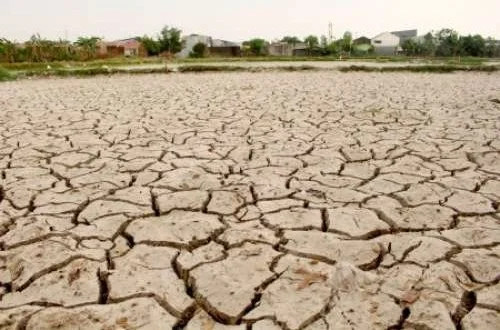
The ancient narrative of the seven-year drought and subsequent famine during the era of Prophet Yusuf (Joseph) in ancient Egypt, meticulously documented in the Quran, offers profound insights into crisis management, resource planning, and sustainable governance. Long before the advent of modern climatology and economic theory, this biblical and Quranic account underscored the critical importance of foresight, strategic reserve accumulation, and compassionate leadership in averting catastrophic societal collapse. This historical episode serves as a foundational lesson for contemporary challenges related to food security, climate change adaptation, and national resilience.
The Genesis of a Crisis: A Royal Vision and Divine Interpretation
The genesis of this monumental crisis was not a gradual environmental shift, but a prophetic dream experienced by the reigning Pharaoh of Egypt. The King awoke troubled by a vivid vision: seven plump cows being devoured by seven gaunt cows, followed by seven green ears of grain being consumed by seven withered ones. In ancient societies, dreams were often considered significant portents, and the Pharaoh’s inability to find a satisfactory interpretation from his court magicians and wise men signaled the extraordinary nature of the impending events. This inability to decipher the dream plunged the royal court into a state of uncertainty, highlighting the limitations of conventional wisdom in the face of divine revelation.
It was in this context of widespread bewilderment that Prophet Yusuf, then unjustly imprisoned, was remembered. A former cellmate, who had witnessed Yusuf’s remarkable ability to interpret dreams, recommended him to the King. Summoned from his confinement, Yusuf, guided by divine wisdom, provided an unequivocal interpretation: Egypt would experience seven years of unprecedented agricultural abundance, followed by seven years of severe, widespread drought and famine. This interpretation was not merely a prediction but came with an actionable strategy. Yusuf advised the King to store a substantial portion of the abundant harvests during the fertile years, preserving the grain in its stalks to protect it from spoilage, thereby creating a strategic reserve to sustain the populace through the lean years.
Chronology of Crisis and Resilience
The unfolding of events can be meticulously tracked:
- The Royal Dream and Its Interpretation (Year 1, Abundance Phase): The Pharaoh’s troubling dream and Prophet Yusuf’s accurate interpretation, which not only predicted the future but also offered a comprehensive mitigation strategy.
- Appointment of Prophet Yusuf (Year 1, Abundance Phase): Impressed by Yusuf’s wisdom and sagacity, the King recognized his extraordinary capabilities. Rather than merely offering advice, Yusuf proposed a direct role in implementing the strategy, requesting to be placed in charge of the kingdom’s treasuries and food supply. The Pharaoh readily agreed, entrusting him with immense authority, effectively appointing him as the chief administrator or prime minister responsible for the nation’s economic and agricultural policy. This marked a pivotal moment, transitioning from mere prophecy to active governance.
- Seven Years of Abundance (Years 1-7): Under Prophet Yusuf’s meticulous supervision, Egypt embarked on an unprecedented campaign of agricultural productivity and strategic storage. Farmers were encouraged to maximize their yields, and a robust system for collecting, processing, and storing grain was established. The wisdom of storing grain in its stalks was crucial for long-term preservation in a pre-industrial era, protecting it from pests and decay. Granaries, likely massive structures capable of holding vast quantities, would have been constructed or expanded throughout the fertile Nile Delta and Valley. This period was characterized by careful planning, efficient resource allocation, and a disciplined approach to preparing for the inevitable future hardship.
- Transition to Drought and Famine (Years 8-14): As predicted, the fertile period gave way to a severe drought. The life-giving Nile, the agricultural backbone of Egypt, likely experienced significantly lower flood levels, leading to widespread crop failure. The once-bountiful fields withered, and the land became barren. The famine was not confined to Egypt but spread across the surrounding regions, indicating a broader climatic event impacting the Near East.
- Distribution of Reserves and Regional Impact (Years 8-14): During these lean years, Prophet Yusuf’s strategic reserves proved to be the lifeline for Egypt. While other nations succumbed to starvation, Egypt, with its vast granaries, became a beacon of hope. Grain was carefully rationed and distributed to the Egyptian populace. News of Egypt’s food security spread, drawing people from neighboring lands—including Canaan, where Yusuf’s own family resided—who journeyed to Egypt seeking provisions. This demonstrated Egypt’s unparalleled resilience and its emergence as a regional power due to its proactive planning.
- Recovery and Enduring Legacy (Post-Year 14): While the Quranic narrative focuses on the famine and its immediate aftermath, the implication is a eventual return to normalcy, albeit with profound lessons learned and a transformed political and social landscape. The meticulous planning and execution under Prophet Yusuf’s leadership ensured not only survival but also established a model for future generations on how to mitigate and manage large-scale crises.
Background Context: Ancient Egypt and the Nile
To fully appreciate the gravity of the events, it is essential to understand the unique geography and societal structure of ancient Egypt. The civilization was almost entirely dependent on the Nile River. Its annual inundation, bringing fertile silt and water to the floodplains, was the lifeblood of Egyptian agriculture. A predictable cycle of flood, planting, and harvest underpinned the entire economy and social order. Any significant disruption to this cycle, particularly a prolonged one like a seven-year drought, would have been catastrophic, leading to widespread starvation, social unrest, and potentially the collapse of the state.
Ancient Egypt possessed a sophisticated administrative system, capable of organizing large-scale projects like pyramid construction and irrigation works. This existing infrastructure, combined with Prophet Yusuf’s genius, would have been instrumental in the efficient collection and storage of grain. Granaries were vital structures, often managed by temple complexes or royal administrators, reflecting the centrality of food production and storage to the state’s survival. The strategic preservation method of keeping grain in its stalks, as mentioned in the narrative, points to a deep understanding of agricultural science even in antiquity, optimizing storage life against pests and moisture.
Theological and Historical Significance
The narrative in the Quran (Surah Yusuf) is rich with theological significance, illustrating divine providence, the wisdom granted to prophets, and the power of faith in overcoming adversity. It highlights the importance of trusting in God’s plan while simultaneously emphasizing human agency in planning and execution. From a historical perspective, while specific archaeological evidence for a seven-year famine precisely matching the Quranic timeline during the exact period of Prophet Yusuf is subject to ongoing scholarly debate due to dating complexities and the nature of ancient records, the broader historical context of famines in ancient Egypt is well-documented. Egypt experienced numerous periods of drought and famine throughout its long history, often linked to fluctuations in the Nile’s inundation levels. The socio-economic mechanisms described in the narrative—royal administration of food supplies, reliance on granaries, and regional trade for grain—are consistent with what is known about ancient Egyptian governance and economy. The story, therefore, resonates deeply with the historical realities of the region.
Strategic Implications: Food Security, Governance, and Economic Planning
Prophet Yusuf’s crisis management strategy offers timeless lessons applicable to modern governance and international development:
- Strategic Food Reserves: The core of Yusuf’s plan was the establishment of strategic food reserves. This concept is fundamental to modern food security policies worldwide. Nations maintain national grain reserves, and international organizations like the World Food Programme advocate for buffer stocks to mitigate the impact of natural disasters, conflicts, and economic shocks. The narrative demonstrates that proactive accumulation during times of plenty is indispensable for survival during scarcity.
- Long-Term Planning and Foresight: Yusuf’s plan spanned fourteen years—seven of abundance and seven of scarcity. This long-term perspective, transcending immediate political cycles, is crucial for addressing complex challenges like climate change and sustainable development. It underscores the need for leaders to think generations ahead, not just election cycles.
- Effective Governance and Administration: The successful implementation of the plan required a highly organized and efficient administrative apparatus. Yusuf’s appointment as the chief administrator highlights the importance of competent, trustworthy, and skilled leadership in executing large-scale public policies. His ability to manage the collection, storage, and eventual equitable distribution of food was central to preventing chaos.
- Economic Stability and Regional Power: Egypt not only survived the famine but emerged as a regional economic powerhouse. By being the sole provider of grain in a time of widespread scarcity, Egypt gained immense political and economic leverage. This demonstrates how effective crisis management can transform a potential disaster into an opportunity for national strengthening and regional influence.
- Interdependence and Humanitarian Aid: The arrival of people from surrounding lands seeking food underscores the interconnectedness of regions and the humanitarian dimension of large-scale crises. Egypt, under Yusuf, effectively became a center for regional humanitarian aid, saving countless lives beyond its borders.
Reactions and Broader Impact
The initial reaction of the Egyptian court to Yusuf’s dream interpretation would have been a mix of relief at finding an answer and apprehension about the predicted hardship. However, the King’s decisive action in entrusting Yusuf with such vast powers indicates a strong belief in his capabilities. As the years of abundance unfolded, the populace would have witnessed the systematic collection and storage of grain, perhaps initially with some skepticism or inconvenience, but eventually with growing appreciation as the granaries filled.
When the drought finally struck, the impact would have been devastating across the region. Neighboring lands would have quickly exhausted their meager reserves, leading to widespread hunger, migration, and social breakdown. The contrast with Egypt, which remained relatively stable and capable of feeding its people (and others), would have been stark. The influx of people from Canaan and other areas seeking provisions is a powerful testament to Egypt’s unique position and the effectiveness of Yusuf’s plan. This movement of people would have had significant social and economic implications, potentially leading to cultural exchange and the establishment of new trade routes and diplomatic ties.
Modern Relevance and Enduring Lessons
The narrative of Prophet Yusuf continues to resonate today, offering invaluable lessons for a world grappling with climate change, food insecurity, and geopolitical instability.
- Climate Change Adaptation: The seven-year drought can be seen as an ancient analogue to modern climate change scenarios, which predict increased frequency and intensity of extreme weather events, including prolonged droughts. Yusuf’s strategy emphasizes adaptation and resilience-building as core components of national security.
- Global Food Security: With a growing global population and disruptions to supply chains, the concept of strategic food reserves remains critical. International organizations constantly monitor global food stocks and warn against depletion. The story highlights the moral imperative of ensuring equitable access to food, even across national borders.
- Good Governance and Ethical Leadership: Prophet Yusuf’s leadership was characterized by integrity, wisdom, competence, and compassion. He prioritized the well-being of the entire populace, managed resources responsibly, and demonstrated unwavering commitment during both prosperity and adversity. These qualities are universally recognized as essential for effective and ethical governance in any era.
- Risk Management: The entire episode is a masterclass in risk management—identifying a future threat, assessing its potential impact, and developing a comprehensive mitigation and contingency plan. This proactive approach is a cornerstone of modern disaster preparedness.
In conclusion, the Quranic account of Prophet Yusuf and the seven-year famine in ancient Egypt transcends its historical and religious context to offer a timeless blueprint for effective crisis management. It underscores the profound wisdom embedded in foresight, strategic resource allocation, robust governance, and compassionate leadership. As modern societies confront unprecedented challenges, from climate change-induced droughts to global economic uncertainties, the lessons from this ancient narrative remain remarkably relevant, serving as a powerful reminder that preparation during times of plenty is the ultimate safeguard against the ravages of scarcity.