The phenomenon of Generation Z embracing horror films, with titles like "Obsession" and "Backrooms" leading the charge, is not merely a fleeting trend but a profound reflection of their lived experiences. According to a recent report by market research firm Statista, a staggering 91% of Gen Z consumers actively seek out horror films and series, positioning them as the demographic with the highest engagement in the genre. This intense consumption places horror as their third favorite genre, trailing only comedy and action, a significant shift that warrants a deeper exploration into its underlying causes.
Cathy Boxall, Head of Global Entertainment at advertising agency Dentsu, highlighted this statistic, noting that it surpasses the engagement levels of other generations. She further elaborated that the genre has evolved, mirroring the anxieties and realities faced by this digitally native cohort.
The Unsettling Mirror: A Generation Shaped by Uncertainty
The heightened appeal of horror for Gen Z can be directly linked to the tumultuous global landscape they have navigated from a young age. Born between approximately 1997 and 2012, this generation has come of age amidst a confluence of crises and uncertainties that have, in many ways, made their daily lives feel as unsettling as a horror narrative.
Their formative years were marked by the lingering effects of the 2008 global financial crisis, which instilled a sense of economic precarity. As they entered the workforce, the specter of artificial intelligence and its potential impact on job markets added another layer of apprehension. Beyond economic anxieties, Gen Z has witnessed and experienced a series of significant global events: devastating climate disasters such as Hurricane Katrina, the pervasive reality of school shooting drills becoming a normalized part of education, and the unprecedented global disruption caused by the COVID-19 pandemic. These shared experiences have cultivated a generation acutely aware of life’s inherent fragility and unpredictability.
A New Wave of Horror: Beyond Gore and Gimmicks
This evolving landscape has influenced the very nature of horror storytelling. Lauren Cook, a therapist and author of "Generation Anxiety: A Millennial and Gen Z Guide for Staying Afloat in Uncertain Times," observes that the genre has adapted to resonate more deeply with Gen Z. "Horror is now exploring darker, real-world issues rather than just focusing on gratuitous gore or violence," Cook states, as quoted by CNN.
Films like "Obsession" and "Backrooms" exemplify this shift, offering narratives that tap into the anxieties and realities familiar to Gen Z. These productions demonstrate a conscious effort by filmmakers to create horror that speaks directly to a generation grappling with a world often perceived as overwhelming and fraught with peril.
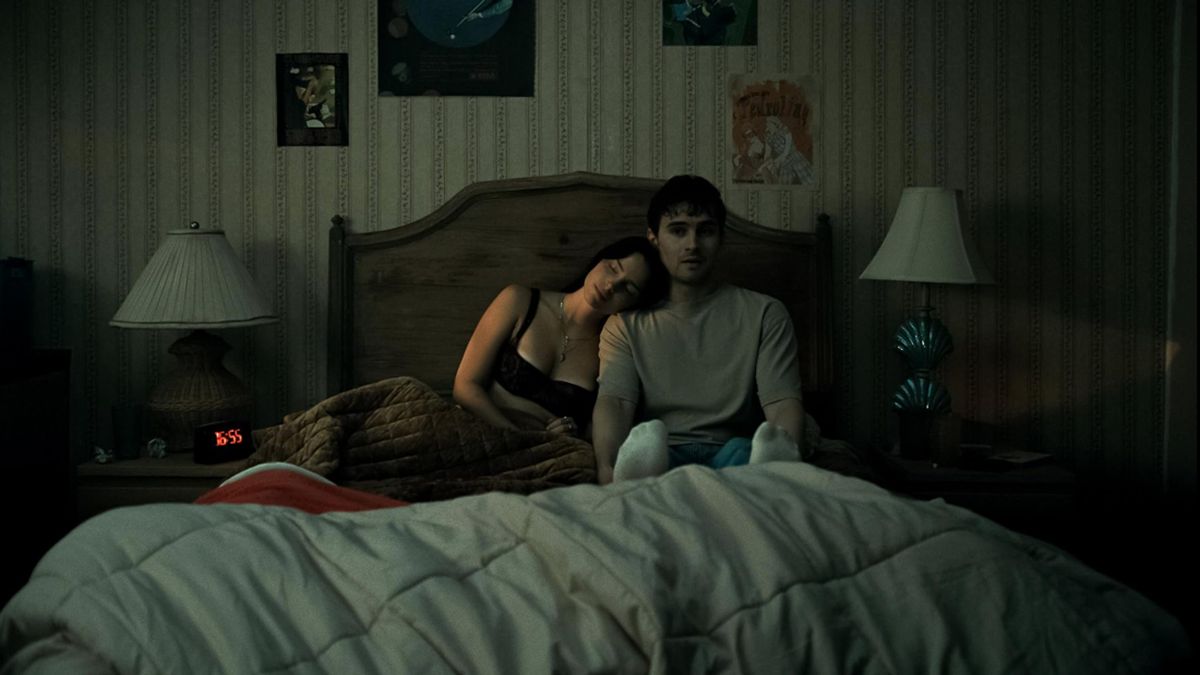
"Obsession," directed by 26-year-old YouTuber Curry Baker, while featuring disturbing scenes, delves into more complex themes. The film tells the story of a man who uses a magical twig to force a woman he loves to reciprocate his feelings. Beneath the supernatural premise, the film subtly addresses the "red pill" culture, a movement that espouses the belief that men are disadvantaged by societal systems, rejects feminism, and advocates for a return to traditional values. This exploration of societal discontent and disillusionment strikes a chord with a generation often critical of established norms and power structures.
Similarly, "Backrooms," a psychological horror film by Gen Z filmmaker Kane Parsons, offers more than just jump scares. Adapted from Parsons’ popular YouTube series, the film follows a furniture store owner who descends into his own psychological abyss. It tackles themes of alienation, trauma, and the perceived limitations of life choices—issues that resonate profoundly with the experiences of many young adults today.
Cook further notes that Gen Z appreciates the unflinching honesty of horror. "Horror doesn’t try to sugarcoat reality," she explains. "Gen Z is better equipped to confront the darker aspects of life than previous generations who might have tried to cover everything up with a smile. I think that’s actually one of their strengths."
Kaitlyn Ruano, a 23-year-old high school teacher and film reviewer for The Drama Drive-In, believes Hollywood has succeeded in creating horror films that genuinely connect with Gen Z’s lived experiences. "This generation is very concerned with social issues. Therefore, horror becomes a suitable medium to depict these problems," Ruano states.
The Evolution of Horror: A Generational Mirror
Ruano posits that each generation has its own defining subgenre of horror, reflecting the zeitgeist of its era. The 1970s, for instance, were dominated by slasher films, where a lone killer stalked and murdered victims with sharp weapons. This reflected a societal unease and a growing sense of individual vulnerability.
The 1980s and 1990s saw a rise in films that tapped into fears of occultism and Satanic panic, such as "The Craft." As the new millennium dawned, horror began to incorporate more action elements, with a surge in zombie films. Ruano interprets this shift as a reflection of the "war on terror" era and a highly militarized American society.
Box Office Success and Digital Discourse: A Symbiotic Relationship
The growing popularity of horror among Gen Z is not only a cultural phenomenon but also a significant driver of box office success. A24, the studio behind "Backrooms," reported that Kane Parsons became the youngest director in Hollywood history to have a film debut at the number one spot at the box office. The film garnered approximately $80 million in North America and $120 million globally in its opening weekend alone.
"Obsession," a production by Focus Features and Blumhouse Productions, secured the second position during the same weekend. Since its release on May 15, the film has grossed nearly $150 million against a production budget of just $750,000, showcasing the immense profitability of horror when it strikes a chord with a target audience.
The success of these films aligns perfectly with Gen Z’s penchant for content that sparks curiosity, generates online buzz, and fuels social media discussions. Living in an era heavily influenced by digital media and online interaction, Gen Z tends to be more analytical than previous generations, Ruano observes. They are accustomed to dissecting content, growing up with in-depth analytical articles and video essays on platforms like YouTube.
Redefining Escapism: Facing Reality in the Dark
Ruano also highlights how her generation has had to mature in a world characterized by political polarization, confronting the darker aspects of life, and forging new definitions of escapism. The lighthearted romantic comedies of the 1990s and early 2000s, such as "How to Lose a Guy in 10 Days," which once offered a sense of comfort, now feel disconnected from reality.
"When you watch movies or series from the 1990s or 2000s, characters graduate college and immediately get their dream job or internship. It feels frustrating because you wonder, was life really that easy back then? Then you look at our current situation," Ruano muses.
This sentiment underscores the core of Gen Z’s engagement with horror. Instead of seeking an escape into idealized fantasies, they find a cathartic release in confronting their anxieties head-on through the genre. Horror, in its raw and often unflinching portrayal of darkness, offers a validation of their experiences and a shared space to process the complexities of their world. The genre’s ability to mirror their fears, explore societal ills, and even provide a sense of community through shared online discourse has solidified its place not just as entertainment, but as a crucial coping mechanism and a form of cultural commentary for Generation Z.