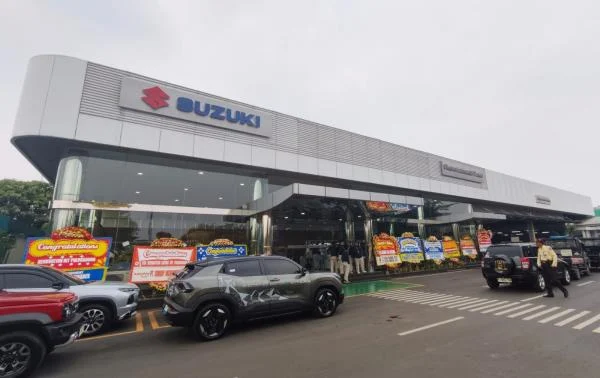
In an increasingly competitive automotive landscape, Suzuki has embarked on a strategic initiative to redefine the traditional dealership model, aiming to transform points of sale into comprehensive service hubs that prioritize consumer experience. Recognizing that modern buyers demand more than just a transaction, the company has officially launched its new design and service philosophy, dubbed "From Heart to Experience," at the Suzuki Buana Indo Trada (BIT) facility in Pulo Gadung, East Jakarta. This shift represents a significant pivot in Suzuki’s domestic strategy, moving away from conventional showroom layouts toward a more holistic, user-centric environment that integrates high functionality with an eco-conscious aesthetic.
The automotive sector in Indonesia has faced significant shifts over the past few years, driven by digital transformation, changing consumer demographics, and the transition toward electrified and more efficient vehicles. As competition intensifies, manufacturers are no longer relying solely on product specifications to win market share; they are focusing heavily on the "ownership journey." Suzuki’s latest move is an acknowledgment that the dealership remains the most vital touchpoint for building brand loyalty and trust.
The Genesis of the From Heart to Experience Concept
The "From Heart to Experience" concept was developed in response to evolving customer behaviors. According to internal research conducted by PT Suzuki Indomobil Sales (SIS), the modern showroom visitor rarely has a singular goal. Customers today often arrive with a complex set of needs: some are looking for technical demonstrations of new products, others are seeking detailed financial consultations, and a significant portion are waiting for their vehicles to be serviced, necessitating an environment where they can remain productive or relaxed.
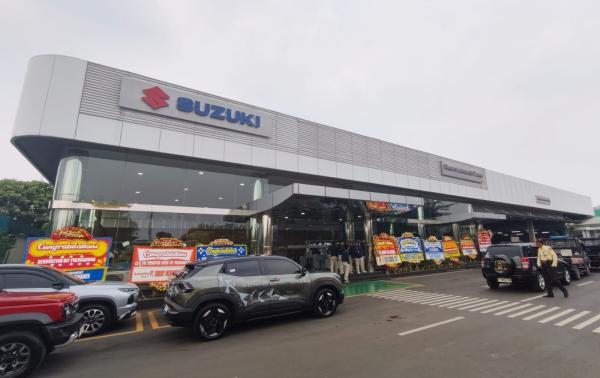
Yulius Purwanto, the Network & Product 4W Department Head at PT Suzuki Indomobil Sales, highlighted that the new design philosophy is rooted in the idea of empathy. "Every customer enters our facility with a distinct purpose. Whether they are exploring our latest lineup, engaging in deep product discussions, or managing professional obligations while waiting for maintenance, the environment must adapt to their needs," Purwanto stated during the unveiling on Sunday, September 27, 2026.
By restructuring the spatial design, Suzuki aims to ensure that every corner of the dealership serves a specific, functional purpose. This move is designed to eliminate the "waiting room" fatigue often associated with traditional automotive service centers, replacing it with a fluid, multifunctional space that respects the customer’s time and convenience.
Structural and Aesthetic Transformation
The physical transformation at the Pulo Gadung facility is marked by three primary pillars: high functionality, an eco-friendly ethos, and a commitment to modern, minimalist design. The traditional, often sterile, showroom environment has been replaced with an open-plan layout that maximizes natural light and improves visual connectivity between the display area and the customer service zones.
Architecturally, the integration of "green" elements is a notable departure from previous dealership designs. The use of biophilic design principles—incorporating indoor plants, sustainable building materials, and a color palette that evokes nature—is intended to reduce the stress levels of visitors. This "eco-friendly" approach is not merely aesthetic; it aligns with the broader global automotive industry trend of reducing the carbon footprint of physical infrastructure, signaling that Suzuki is preparing for a future that values environmental responsibility as much as mechanical performance.

Strategic Context and Industry Implications
This rebranding of the dealership experience occurs at a time when Suzuki is aggressively cementing its footprint in the Indonesian market. Earlier in the year, the brand saw significant success with the launch of the latest XL7, delivering units to over 1,300 initial customers across the archipelago. This high-volume engagement creates a subsequent pressure on the service network to provide post-purchase support that matches the quality of the product.
Industry analysts suggest that this shift is a necessary defensive move. As e-commerce platforms and digital configurators become more prevalent, the physical dealership must offer value that cannot be replicated online. A showroom that functions as a high-quality lounge or a professional co-working space ensures that customers have a compelling reason to visit, thereby increasing the likelihood of long-term retention.
Furthermore, the data-driven approach to service—where the showroom layout is mapped to actual customer movement patterns—suggests that Suzuki is leveraging business intelligence to optimize operations. By analyzing how long customers stay and what facilities they utilize most, the company can scale this model to its wider network across Indonesia.
Timeline of Modernization
The rollout at Pulo Gadung serves as the pilot phase for a national initiative. While the company has not yet provided a definitive timeline for the total conversion of its national network, industry observers note that such infrastructure upgrades usually follow a phased implementation plan.

- Phase 1 (2026 Q3): The launch of the flagship model at the Pulo Gadung facility. This period is dedicated to gathering customer feedback and refining the operational workflows within the new space.
- Phase 2 (2026 Q4 – 2027 Q1): Monitoring performance metrics, specifically focusing on customer satisfaction scores (CSAT) and service department efficiency.
- Phase 3 (2027 and beyond): Potential rollout to high-traffic urban dealerships in cities like Surabaya, Bandung, and Medan, depending on the success of the initial pilot.
The Human Element: Building Brand Loyalty
Beyond the physical changes, the "From Heart to Experience" initiative underscores the importance of the human element in sales. Automotive retail remains a high-touch industry. Even as digital tools become more sophisticated, the final decision to purchase a vehicle—often the second-largest expense for a household—is heavily influenced by the level of personalized attention received.
By training staff to align with this new philosophy, Suzuki is attempting to shift the dealer-customer dynamic from one of "seller-buyer" to "partner-client." This involves empowering front-line staff to act as consultants rather than just sales agents. This cultural shift, when combined with the updated facility, is expected to improve the overall brand perception of Suzuki as a modern, approachable, and customer-oriented manufacturer.
Challenges and Future Outlook
While the new concept offers clear benefits, it is not without challenges. Converting legacy dealership buildings to this new, open-plan, eco-friendly standard requires significant capital expenditure. For independent dealership owners who operate under the Suzuki franchise model, the return on investment (ROI) will be the primary metric for adoption.
However, the cost of inaction may be higher. As competitors also look to digitize and modernize their retail spaces, the "standard" dealership is becoming obsolete. Suzuki’s proactive stance allows it to set the tone for the next generation of automotive retail in the region.
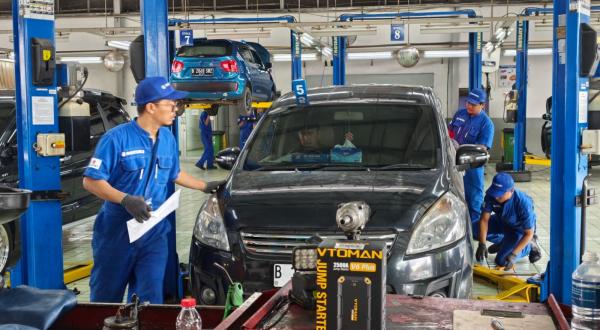
Looking forward, the success of this strategy will likely be measured by more than just vehicle sales figures. Key performance indicators will include the volume of service appointments booked, the dwell time of customers in the facility, and repeat business rates. If the "From Heart to Experience" model proves successful in increasing these metrics, it could serve as a blueprint for Suzuki’s operations in other emerging markets, where brand loyalty is similarly contested by a multitude of global players.
In conclusion, Suzuki’s latest initiative is a sophisticated response to the evolving nature of the automotive market. By focusing on the intersection of human psychology, architectural design, and operational efficiency, the company is effectively positioning its dealerships as vital community hubs. The Pulo Gadung project is more than just a renovation; it is a declaration of intent that the future of the automotive experience lies in making every interaction, from the initial showroom walk-through to the final service check, meaningful, efficient, and deeply personalized. As the industry continues to move toward electrification and digital integration, such human-centric innovations will likely become the benchmark for sustainable success in the automotive retail sector.