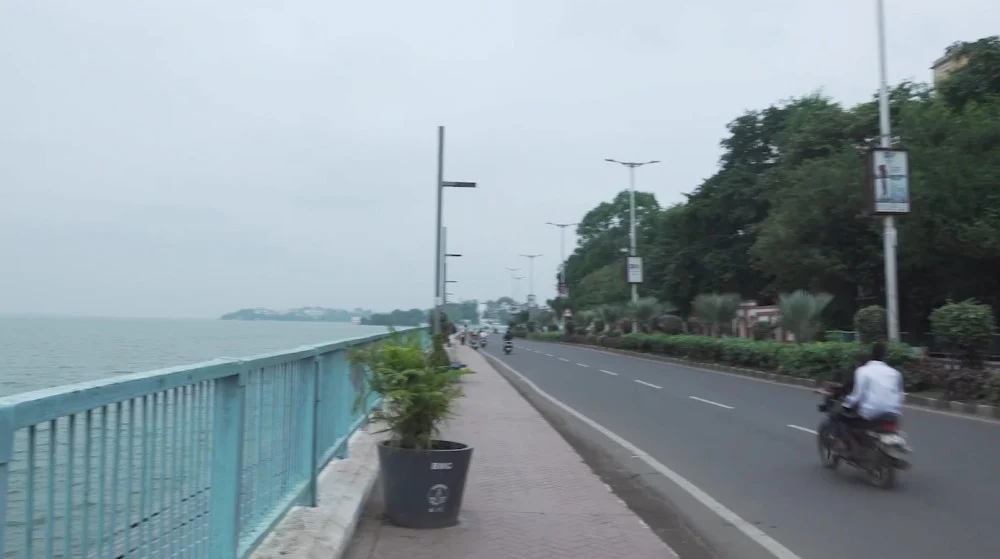
The successful completion of the Madhya Pradesh Major District Roads Project, financed by the BRICS-led New Development Bank (NDB), marks a pivotal shift in the infrastructural landscape of central India. By modernizing over 1,540 kilometers of critical district roadways, the initiative has transitioned from a mere construction undertaking to a catalyst for socio-economic mobility, directly impacting the livelihoods of millions residing in rural and semi-urban clusters across the state. This project, which officially reached completion in 2023, stands as a flagship example of how targeted multilateral investment can bridge the rural-urban divide in emerging economies.
Background and Strategic Significance of the NDB Investment
The New Development Bank, established by the BRICS nations (Brazil, Russia, India, China, and South Africa) in 2014, was designed to provide an alternative to traditional Western-led financial institutions by focusing on sustainable development and infrastructure in emerging markets. The Madhya Pradesh Major District Roads Project was one of the early and most significant commitments made by the NDB in India.
Madhya Pradesh, characterized by its vast geography and diverse topographical challenges, has historically struggled with connectivity issues that hindered the movement of agricultural produce and limited access to essential public services. The state government identified that without robust secondary road networks, the primary highways remained underutilized, creating a bottleneck for economic growth. The NDB’s intervention provided the necessary capital to upgrade these secondary arterial roads, ensuring that the "last mile" connectivity was addressed.
Chronology of the Development Project
The trajectory of the project reflects a rigorous multi-year effort involving inter-agency coordination between the Indian Ministry of Finance, the Madhya Pradesh Road Development Corporation (MPRDC), and the NDB.
- 2016-2017 (Conceptualization and Approval): Initial assessments were conducted to identify the most critical road corridors that suffered from poor connectivity. The NDB board approved the loan facility, recognizing the project’s alignment with its mandate to foster sustainable infrastructure.
- 2018 (Commencement): Tenders were finalized, and construction work commenced across various districts. The project was segmented into multiple packages to ensure that local contractors could manage specific stretches, fostering local employment.
- 2019-2021 (Implementation Phase): Despite the global disruptions caused by the COVID-19 pandemic, the project remained a priority. Strict protocols were implemented to maintain progress, although some supply chain challenges slowed the pace of construction.
- 2022 (Finalization): Most segments reached the paving stage, with significant focus placed on safety features, drainage systems, and bridge reinforcement.
- 2023 (Completion): The final audits were concluded, and the 1,540-kilometer network was fully opened for public transit.
Supporting Data and Technical Specifications
The scope of the project was extensive, covering diverse geographical terrains ranging from hilly regions to flood-prone plains. The technical specifications of the project adhered to international standards, incorporating modern engineering practices to ensure longevity and resilience against extreme weather events.
Key data points regarding the project include:
- Total Road Length: 1,540 kilometers of Major District Roads (MDRs).
- Connectivity Impact: The project connects over 1,200 rural settlements to regional markets and healthcare hubs.
- Asset Life Cycle: The roads were designed with a 15-to-20-year durability cycle, utilizing high-grade bitumen and concrete reinforcements.
- Safety Integration: The project introduced modern road signage, reflective markings, and crash barriers, which have been statistically correlated with a reduction in road traffic accidents in the region.
The economic data following the project’s completion indicates a significant uptick in regional commerce. Local farmers have reported a reduction in transportation time for perishable goods, such as vegetables and dairy, by approximately 30 to 40 percent. This reduction in transit time has minimized post-harvest losses, allowing for better price discovery at local ‘mandis’ (agricultural markets).
Official Responses and Stakeholder Perspectives
Representatives from the Madhya Pradesh state government have lauded the project as a benchmark for public-private-multilateral cooperation. A spokesperson for the MPRDC noted that the NDB’s flexibility in project financing allowed for the integration of social safeguards, such as land acquisition support and environmental impact mitigation, which are often overlooked in standard infrastructure projects.
From the perspective of the NDB, the Madhya Pradesh project is frequently cited in their annual sustainability reports as a model for "inclusive growth." By focusing on district roads rather than just national highways, the bank demonstrated an understanding that development must reach the grassroots level to be effective.
Local residents and transport unions have also provided positive feedback. Small-scale entrepreneurs have observed a rise in roadside business activity, such as small repair shops, eateries, and logistics points, which were previously non-viable due to the poor condition of the roads. The increased accessibility has also allowed for the improved frequency of public transport services, connecting remote villages to administrative headquarters.
Broader Impact and Economic Implications
The implications of the 1,540-kilometer road network extend far beyond the immediate benefit of smoother transit. The infrastructure acts as a backbone for the "Madhya Pradesh Growth Strategy," which aims to diversify the state’s economy from a purely agricultural base to one that supports agro-processing and light manufacturing.
Enhanced Market Access
For farmers in the hinterlands of Madhya Pradesh, the roads represent a direct link to a wider consumer base. The ability to transport goods efficiently means that farmers can now access larger urban markets where demand is higher and more consistent. This has contributed to a noticeable increase in household incomes within the districts served by the new roads.
Improved Social Service Delivery
Infrastructure development is intrinsically linked to human development. With the new roads, the response time for emergency medical services has significantly decreased. Furthermore, teachers and healthcare workers are more willing to serve in rural areas, as the physical barriers to travel have been reduced. Data from the state health department suggests that maternal and infant mortality rates in the project-affected districts have shown a downward trend, partially attributed to better access to regional hospitals.
Environmental Considerations
The project design included provisions for effective drainage to prevent waterlogging, a common issue in rural India that often leads to the rapid degradation of road surfaces. By incorporating climate-resilient engineering, the project serves as a case study for infrastructure sustainability in the face of changing weather patterns.
Analysis of Challenges and Future Outlook
While the project has been largely successful, experts point to the necessity of continuous maintenance as the primary challenge for the future. The state government has acknowledged that while the construction phase was funded by the NDB, the long-term upkeep of these assets remains a responsibility of the state budget. The integration of modern road asset management systems is now being considered to ensure that the infrastructure does not fall into disrepair.
Furthermore, the success of this model has paved the way for future collaborations. The NDB has expressed interest in continuing its partnership with the Indian government for subsequent phases of infrastructure development, potentially focusing on "smart" infrastructure that integrates digital connectivity with physical roads.
Conclusion
The 1,540-kilometer road network in Madhya Pradesh stands as a testament to the efficacy of targeted, multilateral infrastructure funding. By prioritizing the connectivity of district-level arteries, the NDB and the state government have addressed a critical bottleneck in India’s rural development. As the region continues to integrate into the broader national economy, these roads will serve as the essential conduits for trade, social interaction, and economic advancement.
The project not only validates the importance of BRICS-led financial institutions in global development but also highlights the practical benefits of infrastructure investment when executed with a focus on local needs. As the state moves forward, the lessons learned from this initiative—regarding project design, stakeholder management, and environmental resilience—will likely inform future infrastructure policies across India and beyond. The transformation of these pathways is more than just a matter of asphalt and concrete; it is a fundamental reconfiguration of the economic opportunities available to the rural populace, setting a firm foundation for sustainable growth in the years to come.