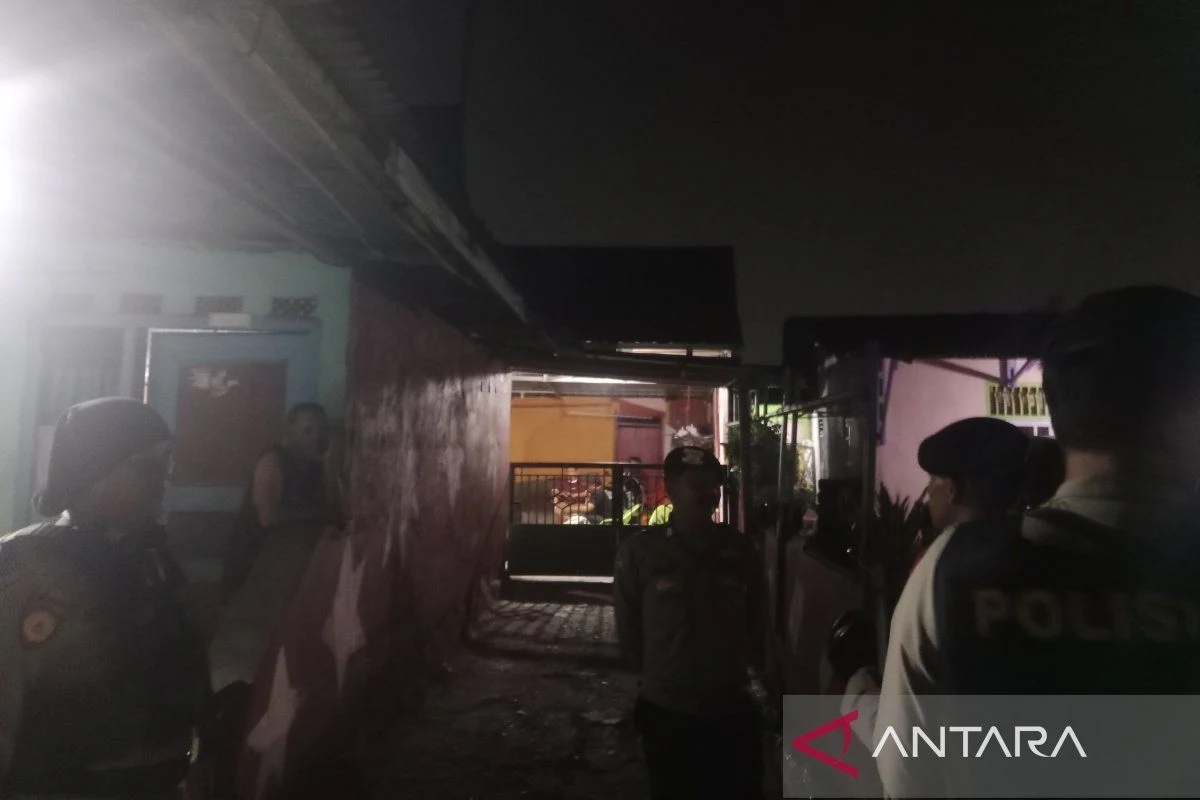
The Corruption Eradication Commission (KPK) has significantly ramped up its investigation into a major graft scandal rocking Bengkulu, conducting a high-stakes search at the residence of a prominent local contractor, Adi Sumarta, in the Tanah Patah sub-district of Ratu Agung, Bengkulu City. The operation, which commenced late Sunday evening, September 13, 2026, marks the latest development in a sprawling probe involving high-ranking government officials and private sector players linked to alleged bribery and project mismanagement.
As investigators arrived at the property, which is identified as the home of Adi Sumarta’s mother-in-law, at approximately 21:15 WIB, local law enforcement maintained a tight security perimeter. Mugito, the neighborhood leader (Ketua RW) of the 04 district, confirmed the presence of the anti-graft agency. "It is true that KPK investigators were present, and this is indeed the residence of Adi Sumarta’s mother-in-law," he stated early Monday morning. The operation concluded with federal agents departing with two suitcases reportedly filled with critical evidentiary documents, which are expected to bolster the prosecution’s case against those implicated in the ongoing bribery network.
A Systematic Approach to Evidence Collection
The search at the Sumarta-linked residence is far from an isolated incident. Over the past several weeks, the KPK has been executing a coordinated campaign across Bengkulu City and the neighboring Rejang Lebong Regency. The commission is methodically building a case that appears to center on the intersection of public infrastructure projects and private sector collusion.
The investigation appears to be a direct offshoot of a recent sting operation—an Operation Tangkap Tangan (OTT)—conducted by the KPK regarding bribery surrounding public works projects in Rejang Lebong. By tracing the financial flows from these local government contracts, the KPK has been able to map out a network of individuals who allegedly facilitated or benefited from the illicit schemes.
Chronology of Recent KPK Activities in Bengkulu
To understand the scale of this investigation, one must look at the rapid-fire succession of raids conducted by the KPK since early August 2026:
- August 6, 2026: Investigators targeted the residence of B. Daditama in Rejang Lebong, a figure known as a close associate of the non-active Rejang Lebong Regent, Muhammad Fikri Thobari. On the same day, the home of Arif Gunadi, the former Acting Mayor of Bengkulu and current Head of the Provincial Food Security Agency, was also searched.
- August 7, 2026: The investigation expanded to the home of the Secretary of the Bengkulu City Council (DPRD), Syofyan Tosoni, in the Ratu Samban district, resulting in the seizure of three suitcases of documents.
- August 12, 2026: Focus shifted to the Department of Public Works and Public Housing (PUPR), with a search conducted at the home and vehicle of Hendra Okta, an official within the agency.
- August 13, 2026: A busy day for investigators, who raided the private residence of Budi Masri, a contractor in Tanah Patah, and the home of Agus Suhendra Wijaya, the Head of the Natural Resources (SDA) Division of the Bengkulu City PUPR.
- August 13, 2026 (Secondary Action): The home of active Bengkulu City DPRD member Vinna Ledy Anggraheni was searched. During this operation, investigators scrutinized vehicles parked on the premises, eventually seizing two suitcases and a box containing various documents.
The Scope of the Allegations
The consistent pattern of seizing "document-filled suitcases" indicates that the KPK is prioritizing the forensic analysis of internal procurement records, bank statements, and communication logs. While the commission has remained tight-lipped about the specific monetary value of the corruption, the number of raids involving contractors and high-ranking civil servants suggests a systematic pattern of bid-rigging and kickbacks.
Corruption in local government infrastructure projects remains one of the most pervasive challenges in Indonesia’s decentralization era. By targeting both the "supply side" (contractors like Adi Sumarta and Budi Masri) and the "demand side" (officials in the PUPR and legislative members), the KPK is signaling a comprehensive approach to dismantling the corruption ecosystem.
Official Responses and Community Impact
Local neighborhood leaders, who often serve as witnesses to these raids, have provided a glimpse into the atmosphere surrounding the operations. Aprianto, the RT leader in Cempaka Permai, confirmed the raid on Vinna Ledy Anggraheni’s home, noting that the focus remained strictly on physical evidence. "There was no money found, only documents that were seized. The individual was not at the house during the search," he noted.
The broader public in Bengkulu has watched these events with a mix of anticipation and concern. The involvement of both former and active government officials—ranging from municipal agency heads to DPRD members—suggests that the investigation could lead to a significant political reshuffling in the region.
Broader Implications and Legal Outlook
The ongoing investigation serves as a critical warning to local governments regarding the oversight of public funds. The fact that these raids span multiple districts and involve various layers of government implies that the alleged corruption is not confined to a single department but may be symptomatic of a wider governance issue.
From a legal standpoint, the KPK’s reliance on documentary evidence suggests that they are preparing for a long and complex trial. The documents seized in these dozens of suitcases will undergo rigorous analysis by the commission’s financial investigators to identify specific illegal transactions, unauthorized project approvals, and potential money laundering activities.
If the evidence confirms that state officials utilized their positions to influence the outcomes of public works tenders, those found guilty face severe penalties under the Law on the Eradication of Corruption Crimes, which includes heavy prison sentences and the restitution of state losses. Furthermore, the exclusion of these contractors from future public procurement processes is a likely administrative consequence, which would effectively paralyze the business operations of the entities under investigation.
Moving Forward
As the investigation enters its next phase, the legal community in Bengkulu expects the KPK to begin calling in the subjects of these searches for formal interrogations at the KPK’s regional offices or their headquarters in Jakarta. The pressure is undoubtedly mounting on the individuals implicated, as the commission continues to peel back the layers of a network that has operated under the radar for years.
The KPK’s persistence in Bengkulu is a testament to the agency’s commitment to following the "paper trail" wherever it leads. For the people of Bengkulu, the hope is that these raids represent a turning point toward more transparent and accountable local governance. However, the legal road ahead will be arduous, as the defense teams for these contractors and officials will likely challenge the legality of the seizures and the methodology of the investigation in the upcoming months.
The case remains active, and further developments are expected as investigators process the mountain of documentation collected over the past six weeks. The KPK has made it clear that no amount of bureaucratic distance or political position will shield those who have compromised the integrity of public service in the region. As the investigation progresses, the list of those being questioned is likely to grow, potentially reaching even higher echelons of local authority. For now, the city waits to see which names will appear on the list of suspects as the KPK moves from the evidentiary collection phase to the formal indictment stage.