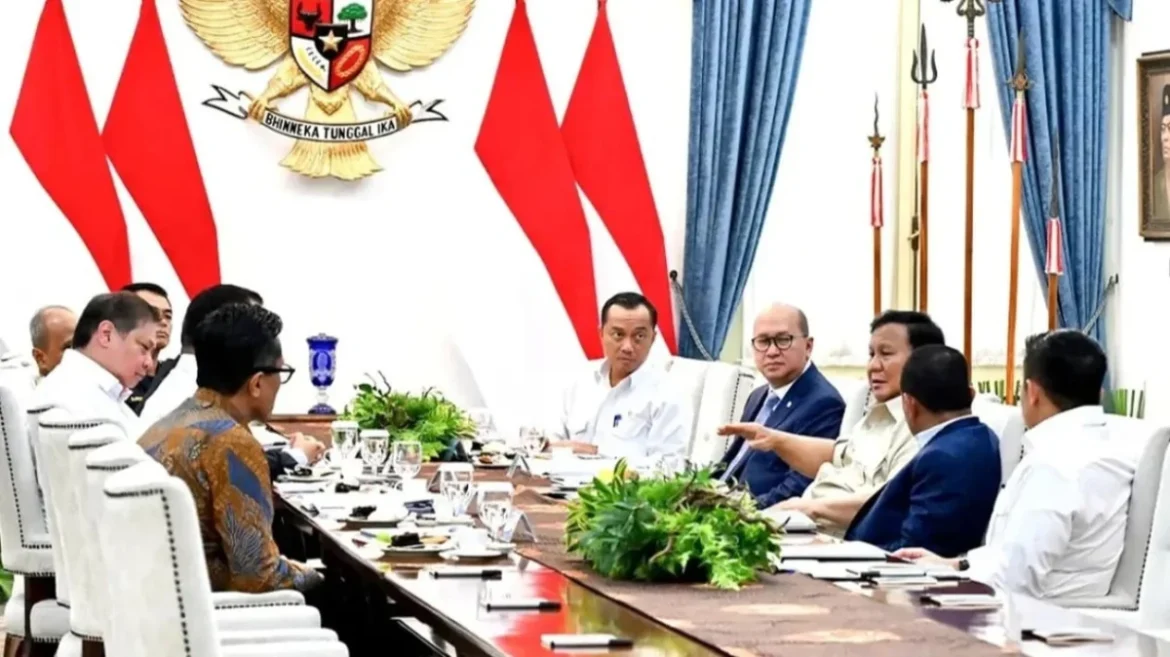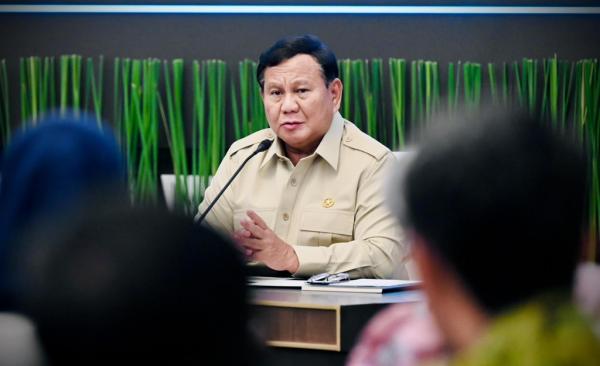
President Prabowo Subianto summoned Minister of Hajj and Umrah Mochamad Irfan Yusuf, widely known as Gus Irfan, alongside Deputy Minister of Hajj and Umrah Dahnil Anzar Simanjuntak, to the Presidential Palace in Jakarta on Monday, September 28, 2026. The high-level meeting was primarily convened to discuss the ongoing preparation and development of the Cost of Hajj Pilgrimage (Biaya Penyelenggaraan Ibadah Haji or BPIH) for the 1448 Hijriah / 2027 Gregorian pilgrimage season.
The strategic consultation underscores the administration’s proactive stance on managing the immense logistical, financial, and regulatory frameworks required to facilitate millions of Indonesian citizens traveling to the Holy Land. As Indonesia remains the country with the largest annual contingent of Hajj pilgrims globally, ensuring financial transparency, operational efficiency, and affordability remains a paramount priority for the national government.
Strategic Consultations at the Presidential Palace
During the briefing at the Presidential Palace, Minister Irfan Yusuf delivered a comprehensive progress report to President Prabowo Subianto concerning the current trajectory of the BPIH 2027 formulations. The discussions encompassed various fiscal components, including airline ticketing, accommodation rates in Makkah and Medina, catering services, health services, and currency exchange rate fluctuations that heavily influence the overall cost structure borne by prospective pilgrims.
Furthermore, the Minister of Hajj and Umrah sought direct directives from the head of state regarding the legislative progression of the Hajj Financial Management Bill (Undang-Undang Pengelolaan Keuangan Haji), which is presently navigating through deliberation processes within the House of Representatives (DPR). The integration between the executive branch’s execution strategies and the legislative branch’s regulatory oversight is deemed critical to establishing a resilient and sustainable financial ecosystem for future pilgrimages.
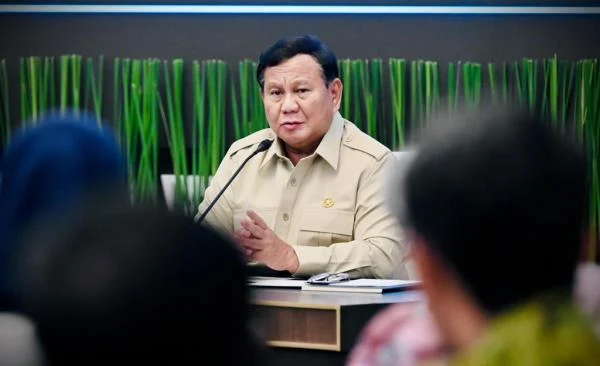
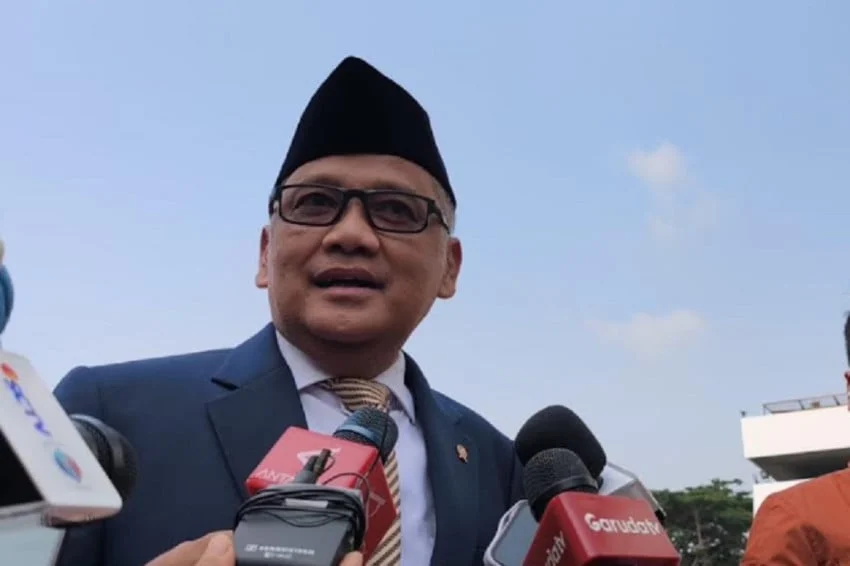
Speaking to members of the media following the closed-door meeting, Gus Irfan highlighted the multifaceted nature of the discussions. "We reported on the progress of the BPIH discussions, the Cost of Hajj Pilgrimage. Additionally, because the Hajj Financial Management Law is currently being processed in the DPR, we are expecting the President’s direct directives concerning this matter," stated Gus Irfan to reporters stationed at the Presidential Complex.
Timeline and Legislative Deliberations
The preparation cycle for any given Hajj season requires meticulous planning that spans nearly a year in advance. According to the Ministry of Hajj and Umrah, formal deliberations regarding the BPIH 2027 alongside the Working Committee (Panja) of the House of Representatives have been actively underway for nearly a month. These deliberations involve rigorous auditing, comparative studies of past logistical expenditures, and negotiations with service providers in the Kingdom of Saudi Arabia.
Despite the intensive nature of these discussions, the Ministry has not yet announced a definitive official figure or baseline cost for the 2027 pilgrimage. Government officials emphasize that final pricing must balance economic realities—such as global inflation and currency valuations—with the affordability and financial accessibility for everyday Indonesian families, many of whom save for decades to fulfill their religious obligations.
The parallel legislative track involving the Hajj Financial Management Bill adds another layer of complexity. Lawmakers and executive officials are aiming to refine the legal parameters governing how Hajj funds are invested, managed, and distributed to ensure optimal returns while maintaining absolute security for pilgrim deposits managed by the Hajj Financial Management Agency (BPKH).
Background Context and Institutional Evolution
The urgency surrounding Hajj management reforms in Indonesia reflects structural changes within the government. In recent years, the administration recognized the necessity of elevating Hajj and Umrah affairs from a standard directorate-general within the Ministry of Religious Affairs to a dedicated, standalone ministry. This institutional transformation was designed to streamline bureaucracy, enhance diplomatic coordination with Saudi Arabian authorities, and drastically improve the welfare of Indonesian pilgrims abroad.
Historically, determining the BPIH has been a delicate political and social process in Indonesia. The cost is divided into two primary components: the direct costs paid by the individual pilgrim (Bipih) and the indirect costs subsidized from the value-generation (nilai manfaat) of accumulated Hajj funds managed on behalf of waiting pilgrims. Striking a sustainable balance between these two financial pools has become increasingly challenging as the subsidization model faces long-term fiscal sustainability questions, prompting the current administration to push for comprehensive legislative reforms.
Recent Regulatory and Service Enforcement Actions
In tandem with macro-level financial planning, the Ministry of Hajj and Umrah has maintained a stringent posture regarding service quality and consumer protection for Indonesian religious travelers. Just prior to the presidential summon, Deputy Minister Dahnil Anzar Simanjuntak made headlines by taking decisive action against substandard practices within the industry.
Following a viral incident on social media wherein an Umrah guide publicly humiliated elderly Indonesian pilgrims, the Ministry swiftly intervened. Deputy Minister Dahnil Anzar announced a strict punitive measure, declaring that the offending guide would be permanently blacklisted from operating within the sector. This enforcement action illustrates the new leadership’s zero-tolerance policy toward abuses of authority and substandard treatment of vulnerable citizens, reinforcing the ministry’s broader mandate to protect pilgrims across both mandatory Hajj and voluntary Umrah journeys.
Implications of the BPIH 2027 Preparations
The decisions emerging from the current round of executive consultations and legislative debates will carry profound implications for millions of Indonesian Muslims. As the global economic landscape fluctuates, maintaining predictable and fair Hajj costs is vital for social stability and public trust.
By engaging President Prabowo directly at this early stage, the Ministry of Hajj and Umrah aims to secure unified political backing, pre-empt bureaucratic bottlenecks, and ensure that the final structural framework for BPIH 2027 meets high standards of accountability, transparency, and public welfare. As the Panja DPR deliberations continue in the coming weeks, attention will remain focused on whether the government can successfully optimize costs without compromising the quality and safety of the pilgrimage experience in Saudi Arabia.