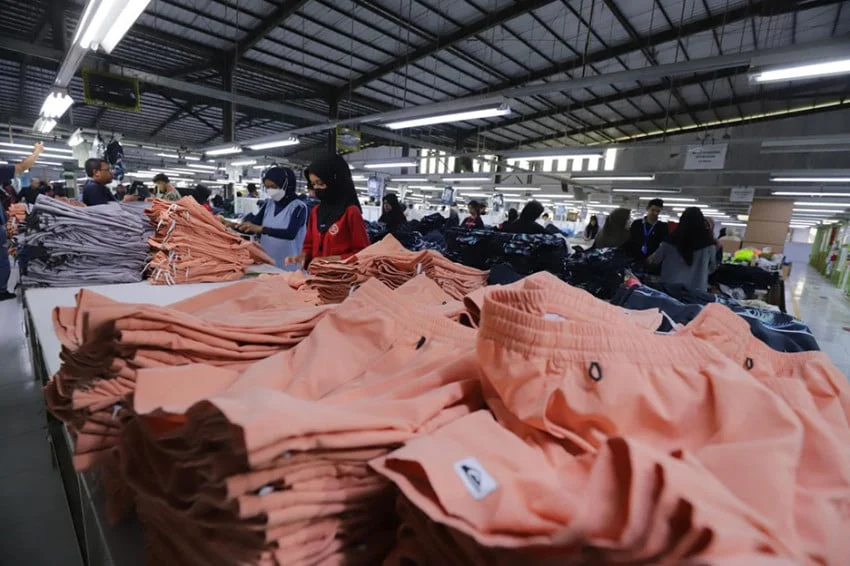
JAKARTA — Economic experts have placed the economic policy trajectory of the Prabowo Subianto and Gibran Rakabuming Raka administration under close observation, particularly regarding its core focus on boosting investment and accelerating job creation amidst persistent global economic uncertainties. As geopolitical tensions, shifting supply chains, and fluctuating commodity prices continue to challenge emerging markets, Indonesia’s strategic pivot toward capital accumulation and workforce expansion has emerged as a central theme in national economic discourse.
During a recent televised policy dialogue in Jakarta, prominent economist and University of Indonesia professor Telisa Falianty offered a comprehensive assessment of the nation’s current economic standing. According to Prof. Telisa, Indonesia’s foundational macroeconomic indicators remain remarkably resilient despite external headwinds. National economic growth has consistently hovered above the 5 percent threshold, inflation remains well-controlled within the target band of around 3 percent, and the open unemployment rate has experienced a notable downward trajectory, settling at 4.65 percent.
The administration’s policy blueprint places substantial emphasis on attracting foreign and domestic capital while shielding vulnerable populations from inflationary pressures. Observers note that maintaining stability in utility pricing and controlling state fiscal buffers are deliberate strategies designed to sustain prioritized development programs without exacerbating the cost-of-living crisis for everyday citizens.
Macroeconomic Resilience and Policy Framework
The resilience of Indonesia’s macroeconomic fundamentals has provided the current administration with the fiscal and monetary space necessary to pursue ambitious structural reforms. In an interconnected global economy vulnerable to protectionist policies and monetary tightening by major central banks, Indonesia has maintained a relatively stable growth trajectory.
The government’s strategic emphasis on downstreaming natural resources, expanding industrial zones, and streamlining regulatory frameworks via the Job Creation Law has served as the backbone for investment attraction. By encouraging value-addition within domestic borders rather than exporting raw materials, the administration aims to capture a larger share of the global supply chain value, ultimately generating higher-paying employment opportunities for a burgeoning domestic workforce.
Fiscal prudence remains a cornerstone of this economic architecture. By intentionally maintaining stability in state-regulated tariffs—such as electricity rates and subsidized fuel prices—alongside careful management of social assistance disbursements like BPJS health insurance contributions, the government has sought to preserve domestic purchasing power. This delicate balancing act aims to stimulate aggregate demand while simultaneously channeling state revenues into capital expenditure and human capital development.
Microeconomic Improvements and Social Welfare Indicators
While macroeconomic aggregates present a positive picture, the intersection between top-tier growth and microeconomic realities remains a critical focal point for policymakers and independent analysts alike. Over the past five years, national data has indicated gradual improvements in poverty reduction metrics and income inequality coefficients.
However, economists caution that structural challenges persist, particularly concerning the socio-economic vulnerabilities of the urban and rural middle class. Recent reflections on national milestones, including discussions surrounding the burdens shouldered by the emerging middle class, underscore the necessity of targeted interventions that extend beyond basic poverty alleviation. Families straddling the poverty line and the lower-middle-class demographic often find themselves exposed to price shocks and limited upward mobility, making inclusive economic growth an urgent imperative.
To address these micro-level disparities, the administration has rolled out various labor market interventions designed to bridge the skills gap and integrate marginalized demographics into the formal economy. Vocational training programs, subsidized apprenticeship initiatives, and localized job fairs have been deployed across numerous provinces in coordination with regional governments.
The Vital Role of Youth Employment and Apprenticeship Programs
A focal point of the recent economic discussions centered on the acute demand for structured employment opportunities among Indonesia’s younger demographic. With a substantial portion of the population comprising Millennials and Generation Z, harnessing the demographic dividend is essential for long-term national prosperity.
Prof. Telisa highlighted the overwhelming public interest in recent government-backed apprenticeship programs, characterizing the high participation rates as a clear indicator of systemic demand among youth seeking viable entry points into the professional sphere. "Program lapangan kerja, kemarin ada program magang yang banyak peminatnya. Artinya generasi muda banyak yang membutuhkan," she stated during the broadcast, emphasizing that young Indonesians are actively seeking avenues to gain practical work experience and enhance their employability.
Despite the high demand, experts stress that the success of such initiatives relies heavily on effective implementation, robust institutional oversight, and comprehensive dissemination of information. Ensuring that vocational and apprenticeship programs reach remote regions outside major urban centers requires active collaboration between central ministries, local government bodies, and mass media channels to maximize transparency and accessibility.
Chronology of Policy Implementation and Recent Developments
The evolution of Indonesia’s current economic policy orientation can be traced through a series of strategic milestones leading up to the current administration’s tenure:
- Post-Pandemic Economic Recovery (2021–2023): Following the global disruptions of the COVID-19 pandemic, Indonesian economic policies focused heavily on fiscal consolidation, stabilizing national healthcare systems, and reviving micro, small, and medium enterprises (MSMEs).
- Transition of Administration and Continuity (Late 2024): The inauguration of President Prabowo Subianto and Vice President Gibran Rakabuming Raka marked a formal commitment to maintaining previous structural reforms while introducing intensified programs centered on food security, energy independence, and targeted social safety nets.
- Mid-2025 Fiscal Review: Mid-term evaluations by independent economic think tanks highlighted the administration’s success in keeping inflation under control despite global supply chain fluctuations, though warnings were issued regarding fiscal space constraints.
- Late 2026 Policy Dialogues (Current Period): Prominent economists, including representatives from academia and private financial sectors, convened in Jakarta to evaluate the tangible impacts of investment-driven policies, noting improvements in the open unemployment rate while calling for tighter coordination on grassroots job placement programs.
Broader Implications and Future Outlook
Looking ahead, the long-term viability of the Prabowo-Gibran economic agenda will depend on its ability to navigate complex domestic and international variables. On the global front, potential shifts in international trade policies, geopolitical realignments, and commodity market volatility pose ongoing risks to export-oriented sectors. Domestically, maintaining investor confidence requires legal certainty, regulatory consistency, and continuous improvements in bureaucratic efficiency and anti-corruption measures.
Furthermore, economists emphasize that job creation must not only be measured in quantitative terms but also in qualitative enhancement. Transitioning workers from the massive informal sector into formal, protected employment arrangements remains a monumental task that requires sustained investment in education, digital literacy, and technological infrastructure.
As Indonesia continues its pursuit of becoming a high-income nation, the alignment between macroeconomic stability and microeconomic welfare will remain the ultimate test for policymakers. Through balanced fiscal management, targeted labor market integration, and strategic international partnerships, the administration aims to solidify an economic foundation capable of weathering external shocks while delivering tangible prosperity to all segments of society.