Jakarta (ANTARA) – Every September 9, Indonesia observes National Sports Day, widely known as Hari Olahraga Nasional (Haornas), a momentous occasion dedicated to commemorating the country’s rich athletic heritage and championing physical fitness as an essential pillar of daily life. The history of this national observance is deeply intertwined with the birth of the National Sports Games, or Pekan Olahraga Nasional (PON), which first took place in Solo, Central Java, in 1948. Over the decades, Haornas has evolved from a commemoration of diplomatic resilience through sports into a comprehensive nationwide campaign focusing on public health, character building, grassroots athletic development, and the burgeoning economic potential of the modern sports industry.
The Genesis of National Sports Day: The 1948 Solo PON
The chronological foundation of National Sports Day traces back to a pivotal period in modern Indonesian history. In 1948, the Republic of Indonesia was a newly independent nation grappling with enormous geopolitical, economic, and administrative challenges, not least of which was gaining international recognition following its declaration of independence on August 17, 1945. Amid these strenuous efforts to establish sovereignty, the international community presented a distinct hurdle for Indonesian athletes who wished to showcase their talents on the global stage.
In 1948, preparations were underway for the XIV Olympic Games in London. However, the Indonesian contingent faced severe administrative roadblocks because the International Olympic Committee (IOC) and various global bodies had not yet broadly recognized the newly proclaimed republic. Furthermore, the colonial power sought to block independent Indonesian representation, insisting that athletes compete under colonial auspices.
Refusing to compromise national dignity, visionary sports leaders and government figures decided to pivot inward. Instead of sending athletes to London under a foreign flag, Indonesia organized its own grand multi-sport event: the first-ever Pekan Olahraga Nasional (PON I). Held from September 9 to September 12, 1948, in the historic city of Solo, Central Java, the games served as a profound political and cultural statement. It proved to the world—and to the Indonesian people themselves—that the young republic possessed the organizational capacity, the national unity, and the athletic spirit to stand on its own feet. The opening day of these historic games, September 9, was permanently etched into the national consciousness, eventually serving as the foundational date for Hari Olahraga Nasional.
Institutionalization and the Formalization of Haornas
Although the spirit of the first PON laid the psychological and historical groundwork for a national day of sports, the formal establishment of Haornas took several decades to materialize. For many years, the anniversary of the Solo games was celebrated informally by athletes, sports associations, and regional communities.
The institutional turning point occurred on September 9, 1983. During a high-profile visit to Surakarta, then-President Soeharto officially proclaimed National Sports Day while presiding over the grand rededication and modernization of the historic Sriwedari Stadium. This presidential declaration marked a strategic shift in national policy, signaling that the government intended to transition sports from sporadic competitive events into a systematic, nationwide movement for health, unity, and national pride.
To give this proclamation full legal force, the administration enacted Presidential Decree (Keppres) Number 67 of 1985 concerning National Sports Day. This legal instrument officially designated September 9 of every year as Haornas. The decree mandated federal, regional, and societal cooperation to foster continuous athletic training, expand grassroots sports infrastructure, and cultivate a competitive yet healthy sporting culture across the vast archipelago. Since that time, the anniversary has grown in scale, transforming into an annual nationwide festival of physical fitness, youth empowerment, and sporting excellence.
The Multi-Dimensional Impact: Health, Character, and the Economy
In contemporary times, the Ministry of Youth and Sports (Kemenpora) emphasizes that Haornas transcends the mere celebration of historical milestones or the accumulation of medals by elite athletes. While elite victories on international stages such as the Olympics, Asian Games, and SEA Games remain critical for national prestige, modern sports governance views physical activity through a much broader socioeconomic and cultural lens.
According to policy frameworks outlined by sports authorities, National Sports Day serves as a vital reminder of the transformative power of physical fitness. Regular exercise is recognized as a primary preventive healthcare measure, significantly reducing the incidence of non-communicable diseases such as diabetes, cardiovascular ailments, and obesity within the Indonesian population. Furthermore, participation in team and individual sports instills invaluable life skills, including discipline, resilience, teamwork, leadership, and emotional maturity—traits that are essential for building a productive and morally robust young generation.
Beyond health and character development, the modern discourse surrounding Indonesian sports places heavy emphasis on economic vitality. Government officials, including the Minister of Youth and Sports, have repeatedly highlighted the reciprocal relationship between sports development and economic growth. The sports ecosystem is increasingly viewed as a robust economic driver capable of generating millions of jobs through sporting goods manufacturing, event management, sports science, digital broadcasting, and infrastructure development.
Moreover, the intersection of sports and tourism—commonly known as "sport tourism"—has emerged as a major economic frontier for Indonesia. High-profile national and international events, ranging from major multi-sport competitions like PON to specialized regional events such as the upcoming Sumba Timur sport tourism initiatives and coastal sports festivals like the upcoming Ancol Beach PON, attract thousands of domestic and international visitors. These events stimulate local hospitality sectors, elevate regional infrastructure, and provide sustainable income streams for small and medium-sized enterprises (SMEs) operating around venue sites.
Looking Ahead: Haornas and the Future of Indonesian Athletics
As Indonesia marks the 43rd anniversary of the official Haornas proclamation in 2026, the nation finds itself at a critical crossroads of sporting modernization. The challenges facing modern sports administration are vastly different from those of 1948, requiring sophisticated institutional frameworks, cutting-edge training methodologies, and substantial capital investment.
Recent strategic proposals by sports authorities underscore the magnitude of these ambitions. For instance, discussions regarding the allocation of multi-trillion-rupiah funding for comprehensive national training centers and specialized sports academies reflect a long-term commitment to elevating Indonesian athletes into consistent global contenders. Building world-class infrastructure ensures that future generations of athletes will not face the administrative or infrastructural limitations of the past, but instead will train in environments equipped with modern sports science, biomechanics, and nutrition programs.
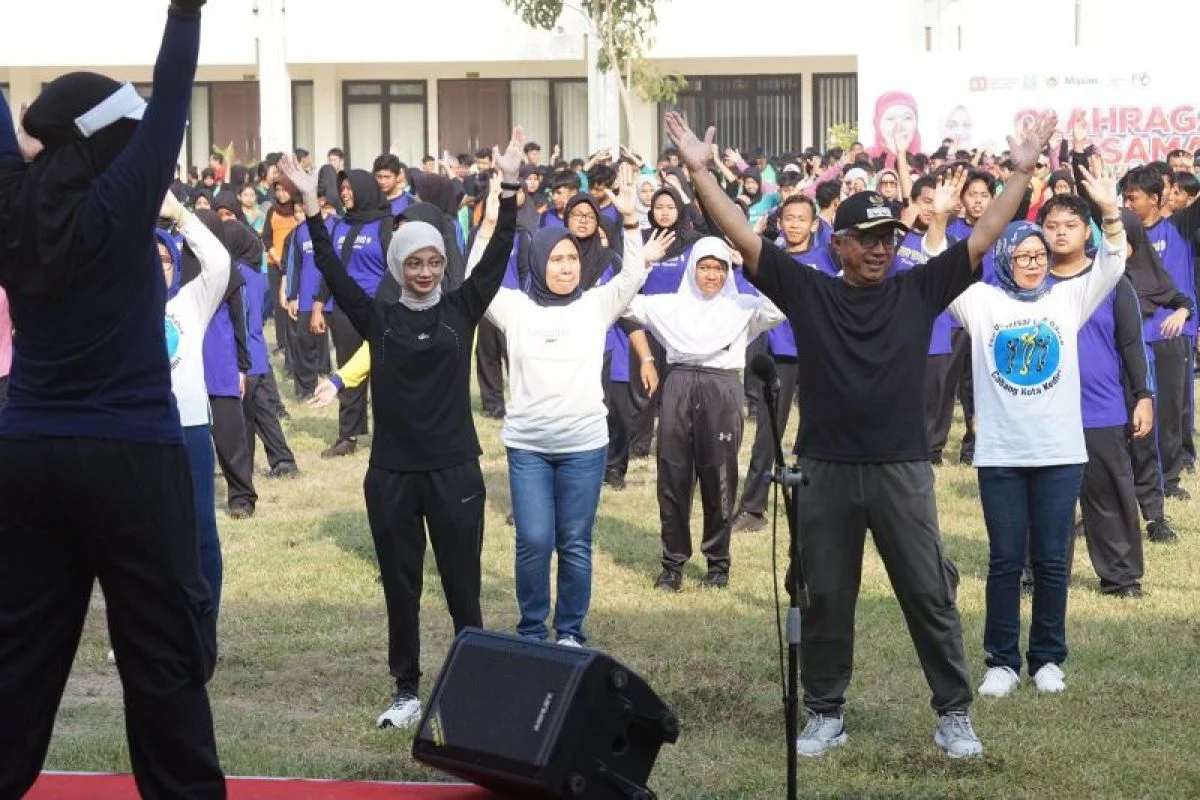
Simultaneously, the grassroots philosophy of Haornas remains as relevant as ever. Public participation is encouraged through community-led fitness campaigns, school sports leagues, and family-oriented physical activities. Communities across the nation observe September 9 not merely as a government holiday, but as a personal call to action—encouraging individuals of all ages to step away from sedentary lifestyles and embrace regular physical movement.
Conclusion
From its humble and defiant beginnings amid the struggles of post-independence Solo in September 1948, Hari Olahraga Nasional has matured into a cornerstone of Indonesia’s national identity. By honoring the pioneers who first organized the national games to assert the sovereignty of a nascent republic, modern generations acknowledge that sports are far more than a pastime. They are a unifying force that bridges cultural divides, fortifies public health, catalyzes economic prosperity, and projects the nation’s resilience onto the global stage. As the country observes Haornas each year, the enduring message remains clear: building a strong, healthy, and disciplined nation begins with the active participation of every citizen in the universal language of sports.