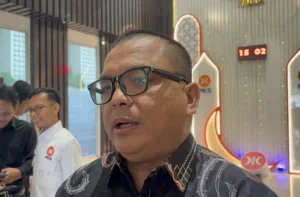
The political landscape of the Balkans has undergone a seismic shift following the results of Serbia’s recent snap parliamentary elections. Radomir Saicic, the prominent face of the emergent "Student List" (Daftar Mahasiswa) movement, has formally announced that the new leadership intends to enter into immediate negotiations with the Russian Federation to secure long-term natural gas supply agreements. This policy direction signals a significant moment for Belgrade, which has historically navigated a delicate diplomatic tightrope between its European aspirations and its traditional reliance on Russian energy resources.
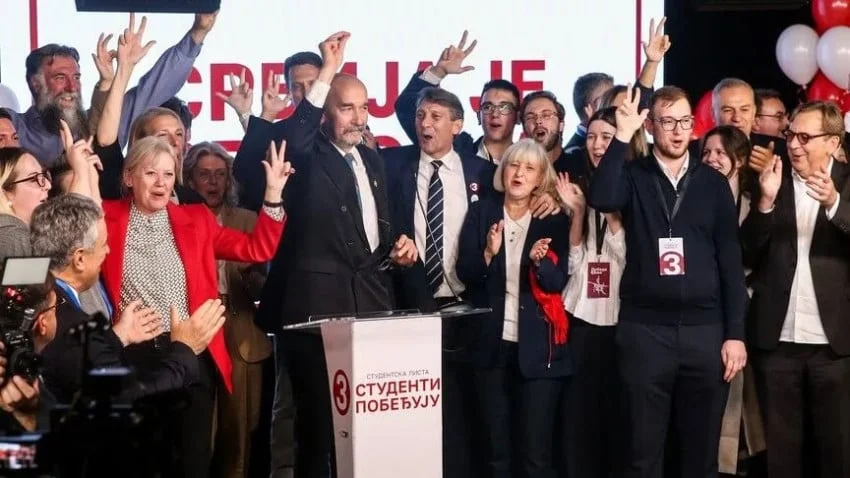
The Student List movement, a grassroots coalition born from the streets and galvanized by systemic grievances, secured a decisive 52.5% of the vote in the parliamentary elections held last Sunday. This victory marks the end of the long-standing tenure of Aleksandar Vucic, the former president and a dominant figure in Serbian politics for over a decade. As the nation transitions to this new administration, the implications for Serbia’s geopolitical alignment, internal stability, and economic trajectory are being scrutinized by international observers across both Brussels and Moscow.
Chronology of a Political Awakening
The rise of the Student List was not a sudden electoral phenomenon but the culmination of months of mounting public unrest. The catalyst for this transformation was the catastrophic collapse of a concrete canopy at the Novi Sad railway station in November 2024. The structural failure resulted in the tragic deaths of 16 individuals and served as a lightning rod for broader public anger regarding state-level corruption, infrastructure neglect, and the lack of accountability within the government.
In the weeks following the tragedy, what began as localized mourning quickly evolved into nationwide demonstrations. Despite attempts by the government to initiate investigations and offer political concessions, the protests gained momentum, eventually coalescing into the Student List movement. Recognizing the growing instability and the erosion of his political base, Aleksandar Vucic announced his resignation from the presidency in September, declaring his intent to pivot to the role of prime minister. However, the electorate’s mandate in the snap elections proved to be a rejection of the status quo, culminating in the historic 52.5% result that brought the Student List to power.
Energy Security and Geopolitical Calculus
The announcement by Saicic regarding natural gas negotiations underscores the pragmatic reality of Serbia’s energy vulnerability. Serbia remains heavily dependent on Russian gas, a dependency that has defined its foreign policy for years. By prioritizing a long-term supply agreement, the new government is signaling that it intends to prioritize national economic stability—specifically the heating and industrial sectors—above ideological alignment with Western sanctions regimes.
The Student List has previously indicated that they would not support the imposition of sanctions against Moscow, a stance that distinguishes them from the EU’s unified diplomatic front. This position, however, remains a point of contention. Vucic, in his final days of influence, warned that the movement might eventually be forced to recalibrate its stance, citing the necessity of integrating into European energy grids. Furthermore, some prominent members within the Student List have already suggested that the relationship with Russia should be subject to a periodic "review," hinting at a pragmatic approach that seeks to balance domestic needs with international pressures.
Economic and Infrastructure Context
To understand the weight of the Student List’s victory, one must consider the economic backdrop of the transition. Serbia’s reliance on Russian natural gas is not merely a political choice but an economic imperative. According to recent trade data, Serbia imports over 80% of its natural gas from Russia. The current contracts have allowed for preferential pricing, which has shielded the Serbian economy from the volatility seen in the broader European market since 2022.
The Novi Sad disaster, while an infrastructure tragedy, became a symbolic proxy for the broader perception of how government funds were being managed. Critics of the previous administration have long argued that excessive focus on prestige projects overshadowed the maintenance of critical infrastructure. With the Student List now in charge, the administration faces the immediate pressure of managing public expectations. They must demonstrate that they can secure the energy supplies necessary for the upcoming winter while simultaneously addressing the systemic failures that triggered the protest movement.
Official Responses and International Reactions
The international response to the victory of the Student List has been cautious. In Brussels, EU officials have emphasized the importance of maintaining regional stability and urged the new government to uphold the democratic mandate. The European Union remains Serbia’s largest trading partner and primary source of foreign direct investment, and the EU is closely watching whether the new government’s rhetoric on Russia will translate into a pivot away from European integration.
Within Serbia, the response has been polarized. Supporters of the Student List view the outcome as a "democratic reclamation," a moment where the voice of the youth and the working class has finally superseded the entrenched political class. Conversely, supporters of the former Vucic administration have expressed concerns regarding the movement’s lack of traditional governing experience. Vucic’s previous assertions that the protests were part of a "color revolution" orchestrated by Western interests—a claim he eventually walked back as he conceded defeat—reflect the deep-seated divisions that the new government must now navigate to achieve national reconciliation.
Implications for Regional Stability
The transition of power in Serbia has wider implications for the Western Balkans. For years, the region has been a focal point of competition between the European Union, the United States, and Russia. A move by the new Serbian government to solidify ties with Moscow through energy agreements could complicate ongoing dialogues regarding regional security and the normalization of relations with neighboring states.
Furthermore, the Student List’s success has set a precedent for grassroots political movements in the region. By mobilizing around tangible issues—such as infrastructure safety and anti-corruption—rather than purely abstract political ideologies, the movement has demonstrated a new blueprint for political engagement. The challenge now lies in the transition from a movement of protest to a government of administration.
Analytical Perspective: The Road Ahead
The trajectory of the Student List government will likely be defined by three key variables: the management of the energy portfolio, the investigation into the Novi Sad tragedy, and the ability to maintain internal coalition unity.
- Energy Sovereignty: The outcome of the talks with Moscow will determine the government’s credibility in the eyes of the public. If the movement succeeds in securing stable, affordable gas, it will solidify its base. If the negotiations stall, or if Russia uses the negotiations as leverage for political concessions, the new leadership may find itself in a precarious position.
- Accountability: The promise of transparency regarding the Novi Sad rail station collapse is the foundational promise of this government. Failure to deliver meaningful justice will likely result in the same public alienation that led to the downfall of the previous administration.
- Diplomatic Flexibility: While the Student List has expressed a desire to maintain ties with Moscow, the long-term reality is that Serbia’s economic future is tied to the European Union. The government will need to navigate this "dual-track" diplomacy with extreme precision to avoid being isolated by either the East or the West.
As Radomir Saicic and his team prepare to take the reins of government, the world will be watching to see how the "Daftar Mahasiswa" balances its anti-establishment roots with the cold, hard realities of geopolitical statecraft. The success of this transition will not only determine the future of Serbia’s energy security but will also serve as a barometer for the democratic vitality of the Balkan region in the years to come. For now, the focus remains on the upcoming talks in Moscow, which will provide the first real test of the new administration’s foreign policy, setting the tone for the next chapter of Serbian governance.