The story of Polytron is effectively a microcosm of Indonesia’s industrial evolution over the last five decades. Founded in 1975 in Kudus, Central Java, the company began as a humble manufacturer of television sets and radio components, eventually scaling its operations to become a cornerstone of the Indonesian consumer electronics market. Today, however, the brand has transcended its origins, pivoting strategically toward the future of sustainable transportation. By leveraging over 50 years of expertise in hardware engineering and software integration, Polytron has successfully transitioned from a household name in living room entertainment to a formidable player in the electric vehicle (EV) sector, marking a significant milestone in its corporate history.
The Foundation: Building a Legacy in Electronics
When Polytron, legally known as PT Hartono Istana Teknologi, first opened its doors in 1975, the Indonesian electronics landscape was dominated by imported brands. The company’s founders recognized a critical gap in the local market: the need for reliable, affordable, and durable consumer goods tailored to the specific climatic and voltage conditions of Indonesia.
Through the late 1970s and throughout the 1980s, Polytron focused on building a reputation for robust manufacturing. They started with television sets—the primary source of information and entertainment for millions of Indonesians at the time. This was followed by a rapid expansion into audio systems, which earned the company a reputation for high-fidelity sound quality, a trait that remains synonymous with the brand today.
By the 1990s and early 2000s, Polytron had diversified its portfolio to include white goods, such as refrigerators, washing machines, and air conditioners. This era solidified the company’s presence in almost every Indonesian household. The strategic decision to manufacture domestically allowed the company to keep costs competitive while maintaining strict quality control, fostering a deep sense of brand loyalty among the domestic consumer base.
Chronology of Expansion: From Living Rooms to Highways
The transition into the electric vehicle space was not an overnight endeavor. It was the result of a long-term strategic assessment of global market trends and a desire to contribute to the Indonesian government’s push for a greener economy.
- 1975: Establishment of PT Hartono Istana Teknologi in Kudus.
- 1980s-1990s: Market penetration with televisions, audio systems, and refrigeration units.
- 2000s: Continued diversification into small appliances, including microwave ovens, water dispensers, and digital storage devices.
- 2010s: Initiation of R&D for advanced power management systems and battery technologies.
- 2020: Formal announcement of the intent to enter the Electric Vehicle (EV) market.
- 2021-2022: Launch of pilot programs and unveiling of prototype electric motorcycles.
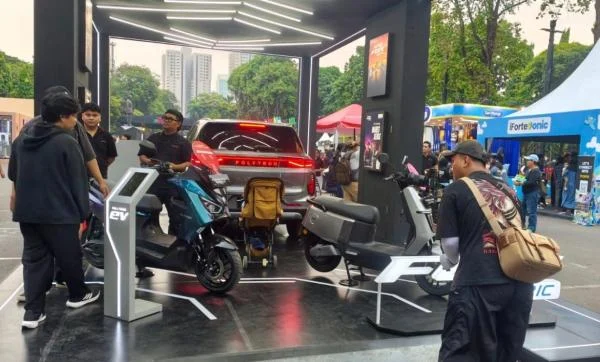
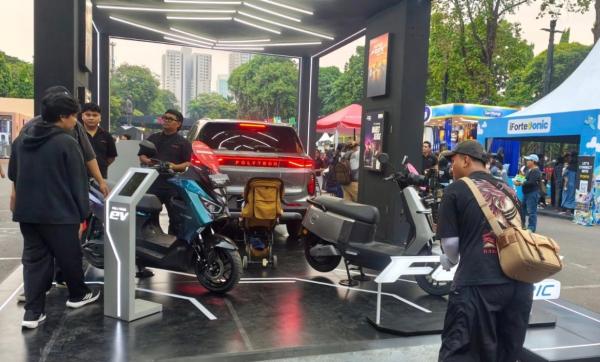
- 2023-Present: Full-scale production and commercialization of the "Fox" series, including the Fox-R, Fox-S, Fox-350, and Fox-200.
Technological Synergy: Leveraging Electronics Expertise
The pivot to electric mobility was powered by the company’s existing core competencies. Developing an electric vehicle is, in many ways, an exercise in advanced electronics. A modern electric scooter is essentially a complex computing system on wheels, requiring sophisticated power management, thermal control, and interface software.
Polytron’s decades of experience in creating home appliances provided a unique advantage. The company’s engineers were already well-versed in motor technology, cooling systems, and user-interface design. When the company pivoted to EVs, it applied these lessons to battery chemistry and battery management systems (BMS). By designing their own battery packs and proprietary motor controllers, Polytron was able to ensure that their EVs were specifically optimized for the urban terrain and tropical climate of Indonesia.
The "Fox" Series: Reshaping Urban Mobility
The introduction of the Fox series represents the company’s primary offensive in the green transportation sector. The models, ranging from the nimble Fox-S to the performance-oriented Fox-350, were designed to solve common pain points in the EV market: range anxiety and infrastructure accessibility.
A standout feature of the Polytron EV strategy is the "battery rental" model. Recognizing that the cost of lithium-ion batteries is the single largest barrier to EV adoption, Polytron introduced a subscription-based approach. This lowers the initial purchase price of the vehicle significantly, allowing for wider market penetration among the middle-class demographic. This innovative business model, combined with an extensive network of service centers—a legacy of their electronics business—has positioned them as a leader in the domestic EV race.

Supporting Data and Market Impact
As of the current fiscal period, the Indonesian government has set an ambitious target to have millions of electric motorcycles on the road by 2030. This mandate is supported by subsidies and tax incentives aimed at reducing the nation’s reliance on fossil fuels. Polytron’s aggressive production schedule aligns perfectly with these national objectives.
Industry analysts suggest that Polytron’s strength lies in its "ecosystem approach." Unlike startups that focus solely on the vehicle, Polytron utilizes its vast distribution network to ensure that spare parts, software updates, and technical maintenance are readily available across the archipelago. This is a critical factor for consumer confidence in a nascent technology market. According to recent market surveys, the primary hesitation for potential EV buyers in Indonesia remains the uncertainty regarding after-sales support; Polytron effectively neutralizes this concern by leveraging its established reputation as an electronics manufacturer.
Official Perspectives and Future Outlook
Industry observers have noted that Polytron’s pivot is a prime example of "industrial resilience." By refusing to stay static in the consumer electronics market, where profit margins are increasingly compressed by global competition, the company has successfully opened a new revenue stream that is highly aligned with international sustainability goals.
"The transition into electric mobility is not just a change in product, but a change in mission," noted a company spokesperson in a recent corporate briefing. "Our goal has always been to integrate technology into the daily lives of Indonesians. Today, that integration happens not just through the television or the air conditioner, but through the vehicle that takes them to work, school, and beyond."
Looking ahead, Polytron is expected to continue its R&D investment into battery cell manufacturing and high-performance motor technology. There is also potential for the company to explore four-wheeled electric vehicles, though management has remained focused on consolidating its leadership in the two-wheeler segment for the immediate future.

Broader Implications for Indonesia’s Industry
The success of Polytron serves as a blueprint for other Indonesian manufacturing giants. It demonstrates that traditional hardware companies do not have to become obsolete in the digital and green age. Instead, they can harness their historical knowledge of supply chains, local consumer behavior, and engineering infrastructure to jumpstart new, high-tech ventures.
Furthermore, Polytron’s move into the EV space supports the national goal of building an integrated battery and vehicle supply chain. As the Indonesian government continues to leverage its nickel reserves—a key component for EV batteries—companies like Polytron are essential for creating the downstream demand necessary to sustain a domestic battery industry.
In conclusion, Polytron’s journey from a Kudus-based television manufacturer to a pioneer of electric mobility is a testament to the power of adaptation. By blending its historical identity with the demands of the 21st century, the company has managed to remain relevant across generations. As Indonesia accelerates its transition toward a low-carbon economy, Polytron stands ready to provide the technology that will drive the nation forward, both literally and figuratively. The road ahead for the company is defined by continued innovation, a commitment to sustainability, and the persistent drive to keep pace with the evolving needs of the modern world.