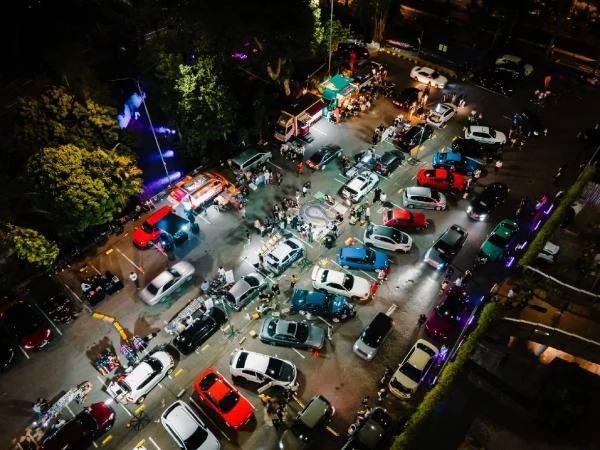
The Honda Culture Indonesia (HCI) Night Meet Up, held on October 23, 2026, at Senayan Park, Jakarta, marked a significant departure from traditional automotive gatherings. Rather than focusing exclusively on high-performance mechanical specifications or aggressive vehicle modification aesthetics, the event served as a holistic lifestyle showcase. By integrating recreational elements, commercial opportunities, and community-driven activities, the organizers successfully cultivated an environment that appealed to a diverse demographic—ranging from hardcore car enthusiasts to families and hobbyists interested in the broader automotive ecosystem.
The Evolution of Automotive Gatherings
For decades, automotive meet-ups in Indonesia were largely defined by static car shows or performance-oriented drag events. However, the paradigm is shifting. The HCI Night Meet Up represents a growing trend in urban centers where "car culture" is being reimagined as a communal social experience.
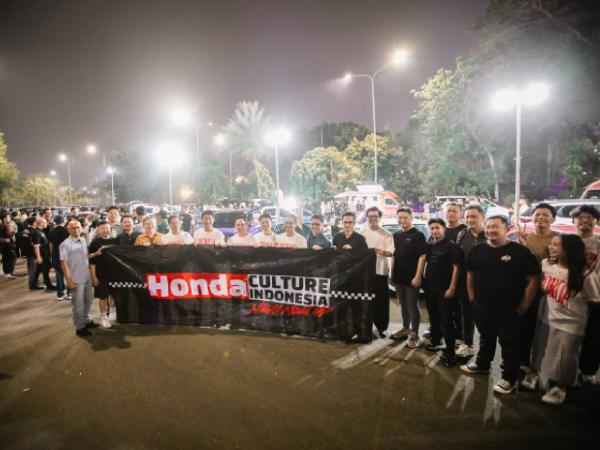
The selection of Senayan Park as the venue was strategic. As one of Jakarta’s premier lifestyle hubs, the location allowed for a seamless integration of automotive display units with the city’s contemporary dining and recreational offerings. This hybrid approach reflects the modern consumer’s desire for multi-faceted experiences, where the passion for automotive engineering sits alongside interests in lifestyle, gastronomy, and miniature modeling.
A Multidimensional Experience
The event’s success can be attributed to its programmatic diversity. Unlike events that prioritize a single aspect of car ownership, the HCI Night Meet Up was structured around four primary pillars:
- The Trunk Market: A dedicated space for small-scale entrepreneurs and collectors to trade automotive-related merchandise, parts, and memorabilia. This fostered a sense of economic engagement among participants.
- Gastronomy and Hospitality: The presence of food trucks and curated culinary stalls acknowledged the reality that long-form community gatherings require high-quality amenities to maintain attendee retention throughout the evening.
- Miniature and Hobbyist Engagement: The inclusion of diecast displays and radio control (RC) circuits provided a low-barrier entry point for younger attendees and those who may not own a full-sized vehicle but remain deeply invested in the aesthetic and technical aspects of car culture.
- Community Networking: The primary objective remained the facilitation of peer-to-peer interaction, allowing long-time members of the Honda community to exchange technical knowledge and personal narratives in a relaxed setting.
Contextualizing the Honda Brand in Indonesia
To understand the significance of this event, one must look at Honda’s long-standing footprint in the Indonesian market. Historically, Honda has managed to balance mass-market appeal with a dedicated "tuner" community. This dual identity—as a reliable provider of daily transport and a source of platforms for performance modification—is unique.

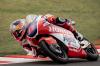
The event took place against a backdrop of significant activity for the brand in Indonesia. Earlier in the month, the industry saw discussions surrounding the performance of Veda Ega Pratama at the Moto3 Indonesia 2026 event. Such milestones elevate the brand’s profile, keeping Honda at the forefront of the public consciousness. Furthermore, as the automotive sector pivots toward electrification, Honda’s recent strategic moves to introduce electric two-wheelers in Indonesia have signaled a shift in their business model, a topic that was undoubtedly a subject of conversation among attendees at the meet-up.
Analytical Perspective: The "Third Space" of Automotive Culture
Sociologically, these gatherings function as a "third space"—a social environment separate from the home and the workplace. In the context of Jakarta’s heavy traffic and high-stress professional landscape, the HCI Night Meet Up offered a controlled, aestheticized, and safe environment for like-minded individuals to congregate.
Data from the automotive sector suggests that community-led events are increasingly influential in brand loyalty. When manufacturers facilitate or support such independent gatherings, they move from being mere vendors to becoming lifestyle partners. This transition is essential in an era where younger generations, particularly Gen Z and Millennials, value social connection and community identity as much as, or more than, the mechanical specifications of their vehicles.
The Role of Technology and Digital Interaction
While the event was a physical gathering, its impact was amplified by digital documentation. The presence of numerous content creators and social media influencers ensured that the "HCI Night Meet Up" brand reached a broader audience beyond those physically present. The organizers encouraged the use of hashtags and digital community channels, such as the WhatsApp Channel of iNews, to ensure that the momentum generated during the evening could be sustained throughout the year.
The reliance on these digital channels is indicative of a broader shift in how automotive clubs operate. Communication is no longer limited to physical meetings; it is a continuous, real-time exchange of information, advice, and event planning that happens in the palm of the user’s hand.
Challenges and Future Implications
While the event was a clear success, it also highlighted the challenges inherent in organizing large-scale community events in dense urban environments. Traffic management, spatial constraints, and the balancing of commercial activities with community-led initiatives are complexities that organizers must navigate.

Looking ahead, the model established at the Senayan Park event is likely to be replicated. Other brands are observing these developments, recognizing that the "car show" of the future is less about the hardware and more about the culture surrounding it. If manufacturers continue to sponsor these environments, they will likely see increased engagement, brand loyalty, and a better understanding of shifting consumer preferences.
Conclusion: More Than Just Engines
The Honda Culture Indonesia Night Meet Up 2026 was a testament to the fact that automotive culture is as much about human connection as it is about the machines themselves. By providing a platform where diecast collectors, RC enthusiasts, families, and car owners could exist in the same space, the organizers successfully broadened the definition of what it means to be a "car person."
As the industry moves toward 2027, the success of this event serves as a blueprint for how brands can maintain a human-centric approach in an increasingly digital and automated world. Whether through the lens of a diecast model or the steering wheel of a modified sedan, the passion for the Honda marque in Indonesia remains vibrant, diverse, and deeply rooted in the social fabric of the nation’s capital. The event did not just showcase cars; it showcased a thriving subculture that is continuously evolving, adapting, and growing in the heart of Jakarta.