In a significant emergency response operation, PT Jasa Raharja (Persero) has mobilized its provincial resources in Lampung to provide immediate assistance and insurance coverage following a catastrophic traffic accident on the Terbanggi Besar-Pematang Panggang-Kayu Agung (Terpeka) Toll Road. The incident, which occurred at kilometer marker 198+100 A in the Tulang Bawang Barat Regency on Sunday, October 25, 2026, involved a collision between a passenger minibus and a heavy-duty Fuso truck. The tragedy resulted in the deaths of six individuals, while four others sustained injuries requiring urgent medical intervention.
Chronology and Incident Overview
The accident took place during the morning hours, a period when traffic volume on the Terpeka Toll Road often fluctuates. According to initial reports from the scene, the minibus was traveling along the A-lane when it collided with the rear or side of a Fuso truck. The force of the impact caused significant structural damage to the minibus, complicating extraction efforts for first responders.
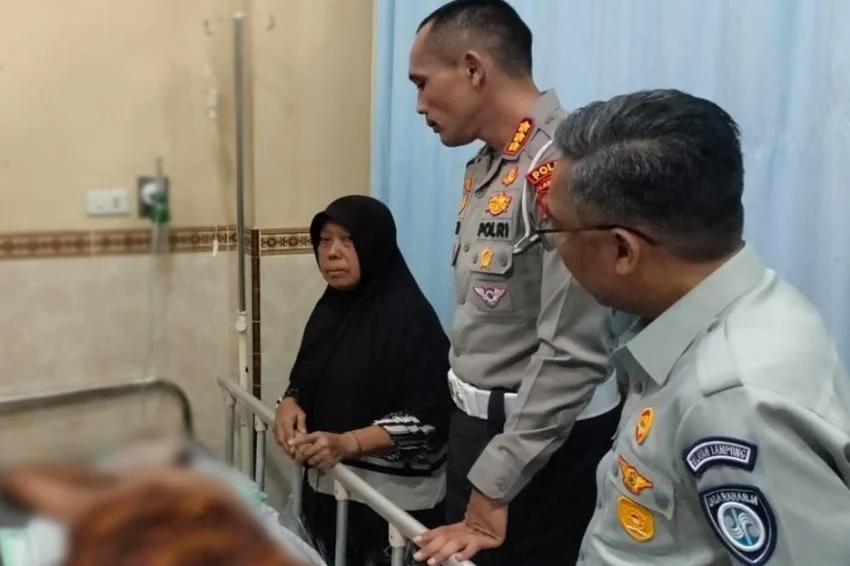
Local authorities from the Tulang Bawang Barat Police and the Lampung Regional Police (Polda Lampung) arrived at the scene shortly after the incident was reported to secure the perimeter and facilitate the transport of victims to nearby medical facilities. The injured were immediately rushed to RS Mutiara Bunda and RS Griya Medika Dompet Dhuafa for stabilization and surgery. Meanwhile, the deceased were processed for identification and returned to their respective families.
Jasa Raharja’s Immediate Operational Response
Upon receiving notification of the crash, the Lampung regional office of PT Jasa Raharja activated its rapid response protocol. This protocol involves a multi-agency coordination strategy designed to expedite the processing of insurance claims and ensure that medical expenses are covered without delay.
Muhammad Awaluddin, President Director of Jasa Raharja, emphasized the organization’s commitment to supporting the victims and their families during this period of bereavement. "We are coordinating closely with the police and the medical facilities involved to ensure that every survivor receives the highest standard of care and that the families of those who lost their lives receive their entitlements in accordance with the law," Awaluddin stated.
The organization’s personnel have been deployed to the hospitals to verify the status of the survivors and to collect the necessary documentation from the families of the deceased. This direct field presence is a hallmark of Jasa Raharja’s service delivery model, aimed at reducing the administrative burden on families who are already navigating the trauma of a sudden loss.
Insurance Coverage and Regulatory Framework
All victims of this tragedy fall under the protective umbrella of Law No. 34/1964 concerning the Mandatory Traffic Accident Insurance Fund. Under this legal framework, PT Jasa Raharja is mandated to provide compensation for victims of land, sea, and air transportation accidents.
The compensation structure for this incident is categorized into two main streams:
- Fatalities: The heirs of the six deceased victims are entitled to a mandatory compensation payment of IDR 50 million per person. This payment is processed upon the verification of legal heirship, a process which Jasa Raharja facilitates through integration with the Civil Registry and the police reports.
- Medical Treatment: For the four survivors, the company has issued a "Guarantee Letter" (Surat Jaminan) to the respective hospitals. This guarantee covers medical and hospital care costs up to a maximum limit of IDR 20 million per person. If the medical costs exceed this amount, the secondary insurance coverage, such as BPJS Kesehatan, typically acts as a supplement.
Analysis of Road Safety on the Terpeka Toll Road
The Terpeka Toll Road, a vital artery in the Trans-Sumatra Toll Road network, has been a subject of ongoing safety discussions. Spanning hundreds of kilometers, the road is characterized by long, straight stretches that can lead to driver fatigue—a primary contributor to accidents involving heavy vehicles and passenger cars.
Traffic safety analysts note that the interaction between high-speed passenger vehicles and slower, heavy-duty trucks (such as the Fuso involved in this incident) creates a high-risk environment. Factors contributing to these collisions often include:
- Speed Disparity: The significant difference in operating speeds between passenger cars and heavy freight trucks.
- Driver Fatigue: The "hypnotic" nature of long, monotonous toll roads often leads to lapses in concentration.
- Vehicle Maintenance: Mechanical failures, particularly in heavy vehicles, remain a persistent challenge in toll road safety management.
The incident at KM 198+100 A serves as a somber reminder of the need for improved traffic enforcement, including the installation of more speed cameras, rest area education programs, and stricter monitoring of vehicle safety standards for commercial trucks.
Broader Implications and Strategic Synergy
The swift action taken by Jasa Raharja highlights the importance of the digital transformation within Indonesia’s state-owned insurance sector. In recent years, Jasa Raharja has introduced features such as "Jaminanku" within the My Jasfren application, allowing families to monitor the status of their claims and the limits of their coverage in real-time. This digital integration is part of a broader push to make insurance services more transparent and accessible.
Moreover, the synergy between Jasa Raharja, the Indonesian National Police (Polri), and the Ministry of Health has significantly reduced the time between an accident report and the release of medical guarantees. By automating the data flow from police accident reports (Laporan Polisi) to the Jasa Raharja claims system, the organization has effectively streamlined the bureaucratic process that historically delayed aid for victims.
Future Safety Initiatives
Moving forward, Jasa Raharja intends to reinforce its preventive measures. While the organization is primarily known for its insurance role, it plays an active part in the "Road Safety Ecosystem." This includes:
- Collaborative Safety Campaigns: Partnering with toll road operators to raise awareness about safe driving speeds and the importance of rest.
- Data-Driven Risk Mapping: Using historical accident data to identify "black spots" or high-risk zones on toll roads, which are then reported to the Ministry of Transportation and the Public Works and Housing (PUPR) for infrastructure improvements.
- Driver Education: Engaging with transport companies to emphasize the implementation of rest-work cycles for long-haul truck drivers.
The tragedy at Tulang Bawang Barat is currently under investigation by the Traffic Directorate of the Lampung Police. Investigators are examining technical evidence, including tire marks and potential dashcam footage, to determine if the accident was caused by human error, mechanical failure, or external environmental factors.
As the families of the victims prepare for funeral arrangements and the survivors undergo recovery, the focus remains on ensuring that the administrative processes do not become an additional source of distress. PT Jasa Raharja has reiterated its commitment to remain in contact with the victims’ families until the claims process is finalized and all obligations have been met.
This incident serves as a critical call to action for all road users to exercise increased vigilance. With the expansion of the Trans-Sumatra Toll Road, the volume of traffic continues to rise, necessitating a collective effort from regulators, infrastructure operators, and the public to ensure that the road becomes a space for safe transit rather than a site of recurring tragedy. The commitment shown by the emergency services and insurance providers in the aftermath of this collision underscores the strength of the existing social safety net in Indonesia, yet the ultimate goal remains the prevention of such incidents through continued safety education and rigorous enforcement of traffic laws.