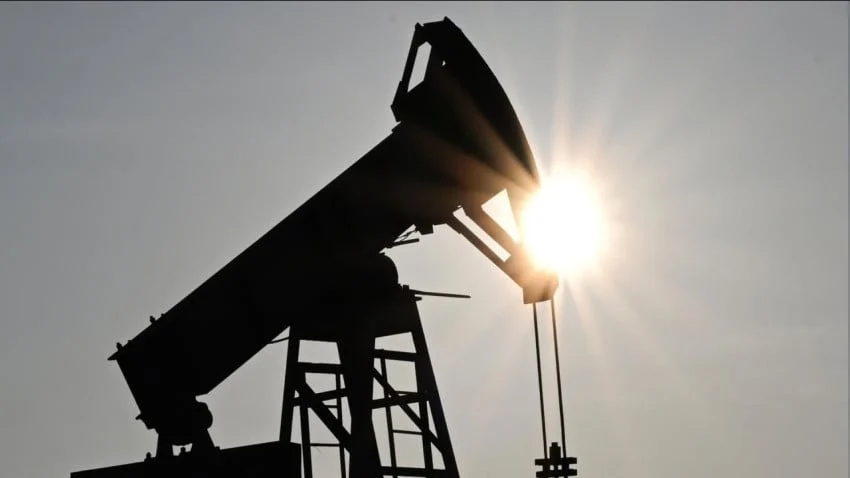
In a significant escalation of geopolitical tensions, United States President Donald Trump has officially signed into law a comprehensive sanctions package aimed at crippling the Russian economy by targeting its primary energy consumers. The legislation, formally titled the Lindsey O. Graham Russia and Iran Sanctions Act of 2026, represents a major shift in Washington’s foreign policy, moving beyond direct sanctions on Russian entities to penalize third-party nations that continue to facilitate the Kremlin’s war machine through the purchase of oil and natural gas.
The 48-page legislative document, which moved swiftly through the U.S. House of Representatives earlier this week, grants the executive branch broad, unilateral authority to impose tariffs of up to 100% on imports from the five largest buyers of Russian energy. The bill, named in honor of the late Senator Lindsey Graham—a staunch advocate for Ukrainian sovereignty who passed away on July 11, 2026—serves as a posthumous legislative legacy for the veteran lawmaker’s hawkish stance on Eastern European security.
The Scope of the Lindsey O. Graham Act
The core objective of this new law is to sever the financial lifelines supporting the Russian state. By targeting the primary purchasers of Russian hydrocarbons—most notably China and India—the United States is effectively challenging the current global energy trade structure. For years, these nations have significantly increased their intake of discounted Russian crude and gas, providing Moscow with the revenue necessary to sustain its defense sector and mitigate the effects of previous Western sanctions.
The legislation does, however, contain a narrow provision for diplomatic flexibility. It includes specific exemptions for countries that currently import less than 15% of their total natural gas supply from Russia, provided those nations can demonstrate a concrete, time-bound plan to further reduce their dependency. This "carve-out" clause is viewed by policy analysts as a strategic tool to maintain diplomatic pressure on key global players while avoiding a total collapse of international energy markets.
Inclusion of Iran in the Sanctions Framework
Beyond the focus on Russia, the act explicitly expands its reach to incorporate the energy and defense sectors of Iran. At the explicit request of President Trump, the bill links the two nations under a unified sanctions architecture. This alignment suggests that the U.S. administration views the cooperation between Moscow and Tehran as a singular, cohesive security threat. By targeting Iran’s energy exports and its military supply chains simultaneously, Washington is aiming to disrupt the logistical and financial networks that connect these two sanctioned states, particularly regarding the trade of drone technology and ballistic missile components.
Historical Context and Chronology
The legislative journey of this act reflects the evolving political climate in Washington following the events of the mid-2020s. Following the death of Senator Graham in July 2026, a bipartisan push emerged in Congress to finalize his unfinished legislative priorities.
- July 11, 2026: Senator Lindsey Graham passes away, prompting a wave of legislative tributes in the Senate and House.
- August 2026: Drafting committees finalize the language of the sanctions package, emphasizing the need for secondary sanctions to close loopholes in existing Russian trade restrictions.
- September 14, 2026: The House of Representatives passes the bill with a comfortable majority, signaling strong bipartisan support for a harder line against Kremlin-aligned energy buyers.
- September 19, 2026: President Trump signs the bill into law, triggering an immediate reaction in global commodity markets.
Economic Implications for Global Markets
The prospect of 100% tariffs on the world’s largest importers of Russian energy has sent shockwaves through global markets. Energy analysts warn that such a move could trigger a severe supply-side shock. If China and India—the world’s most populous nations and largest manufacturing hubs—are forced to pivot away from Russian energy, the global competition for non-Russian oil and gas will intensify, likely leading to a significant spike in prices for all consumers.

"The implementation of these sanctions represents a ‘nuclear option’ in terms of economic warfare," said an analyst at a major energy consulting firm. "While the goal is to bankrupt the Russian war effort, the collateral damage to the global South and the Asian manufacturing sector could be substantial. The administration is essentially betting that the global economy can absorb the shock of a rapid decoupling from Russian energy."
Reaction from Affected Parties
While official responses from Beijing and New Delhi remain measured, diplomatic channels are reportedly buzzing with concern. China’s Ministry of Foreign Affairs has historically rejected the legitimacy of unilateral U.S. sanctions, often framing them as an infringement on national sovereignty and a violation of free-market principles. India, which has maintained a position of "strategic autonomy," faces a difficult balancing act as it attempts to maintain its energy security while navigating the threat of secondary sanctions from its most important trade partner.
Moscow has characterized the move as an act of economic aggression that will ultimately fail. Russian state media has echoed the Kremlin’s narrative that the sanctions will only serve to hasten the "dedollarization" of the global economy, pushing Russia and its allies further toward creating alternative payment systems that bypass the U.S.-led financial infrastructure.
Analysis of Strategic Intent
The strategy behind the Lindsey O. Graham Act is multifaceted. First, it seeks to force a choice upon neutral nations: trade with the West or trade with the sanctioned bloc. Second, it aims to reduce the inflationary pressure on the Russian ruble by limiting its access to hard currency, which is crucial for funding military procurement.
However, the effectiveness of the act hinges on enforcement. Secondary sanctions are notoriously difficult to monitor and verify. The U.S. Treasury Department will now face the monumental task of tracking oil tanker movements, identifying shell companies, and investigating financial transactions that often occur in opaque, non-Western banking systems.
Broader Geopolitical Consequences
The signing of this law marks a hardening of the "New Cold War" era. By targeting the specific energy dependencies of secondary nations, the United States is moving toward a more fragmented global trade order. If these sanctions are rigorously enforced, the world may see the emergence of two distinct energy markets: a sanctioned market dominated by Russia, Iran, and their partners, and a Western-aligned market.
Such a divide would have profound implications for international organizations, including the G20 and the WTO, which struggle to maintain consensus when their leading members are engaged in such extreme economic confrontation. The coming months will be critical as the U.S. government begins to identify the specific entities to be targeted under the new legislation, and as global energy markets adjust to the new, high-stakes reality.
Conclusion: A Turning Point in 2026
As the dust settles on the passage of this landmark legislation, the international community is bracing for the fallout. The Lindsey O. Graham Russia and Iran Sanctions Act of 2026 is more than just a fiscal measure; it is a declaration of intent by the United States to utilize its economic dominance as a primary instrument of foreign policy. Whether this bold move will succeed in achieving its stated goal of curtailing Russian and Iranian influence, or whether it will result in further global economic instability, remains to be seen. For now, all eyes are on the energy corridors of Asia and the reaction of the global financial centers as they prepare for a period of extreme volatility.