The investigation into the tragic killing of three civil servants from the Jayawijaya Agriculture Department in Papua Pegunungan has reached a significant breakthrough. Law enforcement officials, specifically those operating under the Damai Cartenz task force, have successfully identified the characteristics and suspected affiliation of the group responsible for the ambush that occurred on Wednesday, September 9, 2026, in the Muliama District. The incident, which occurred while the officials were performing humanitarian duties, has sent shockwaves through the region, reigniting concerns regarding the security of state apparatus working in conflict-prone areas of the Papua highlands.
The Chronology of the Muliama Incident
On the afternoon of September 9, 2026, a team of employees from the Jayawijaya Agriculture Department was returning from a mission to distribute food aid and agricultural supplies to remote communities in the Muliama District. This region, often characterized by its rugged terrain and limited infrastructure, has historically been a focal point for security challenges. As the vehicle navigated the road back to the district capital, it was intercepted by an armed group.
According to preliminary reports and testimonies provided by a survivor who managed to escape the scene, the attackers initiated a sudden assault, leaving three officials dead at the scene. The survivor, who is currently under protective custody, provided investigators with crucial details regarding the physical appearance, tactics, and size of the group. This testimony served as the primary catalyst for the subsequent police identification efforts. Security forces arrived at the site shortly after receiving reports of the incident, launching an immediate sweep of the area to secure the perimeter and collect forensic evidence.
Forensic Evidence and Investigative Findings
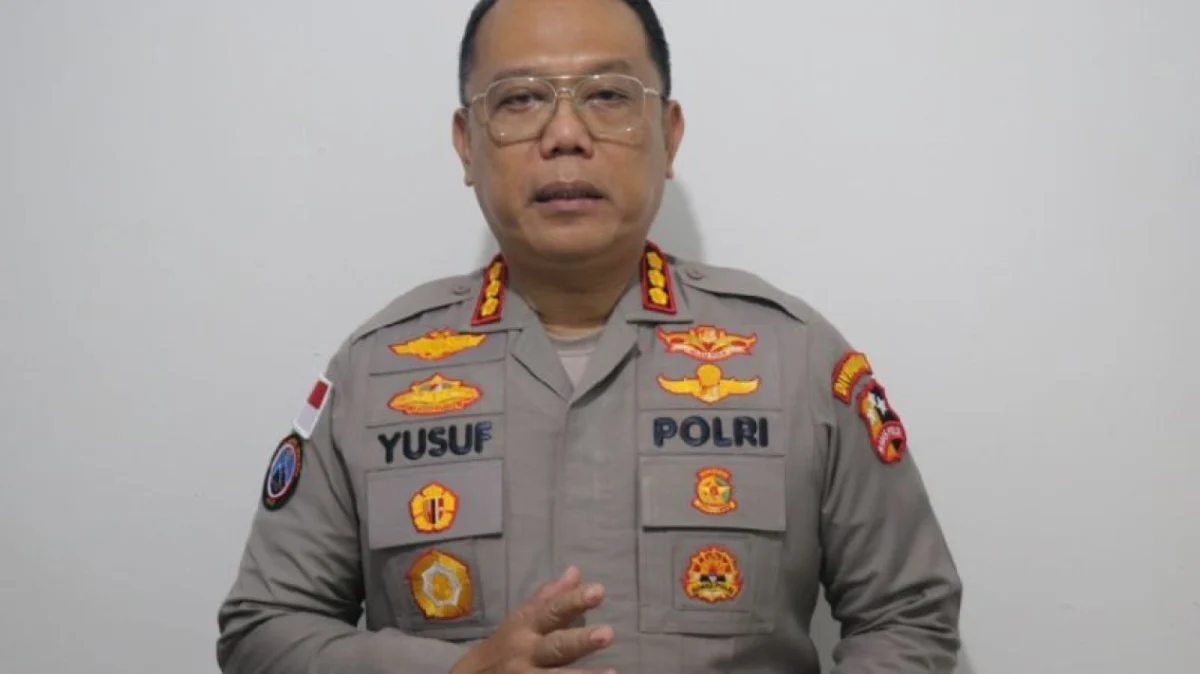
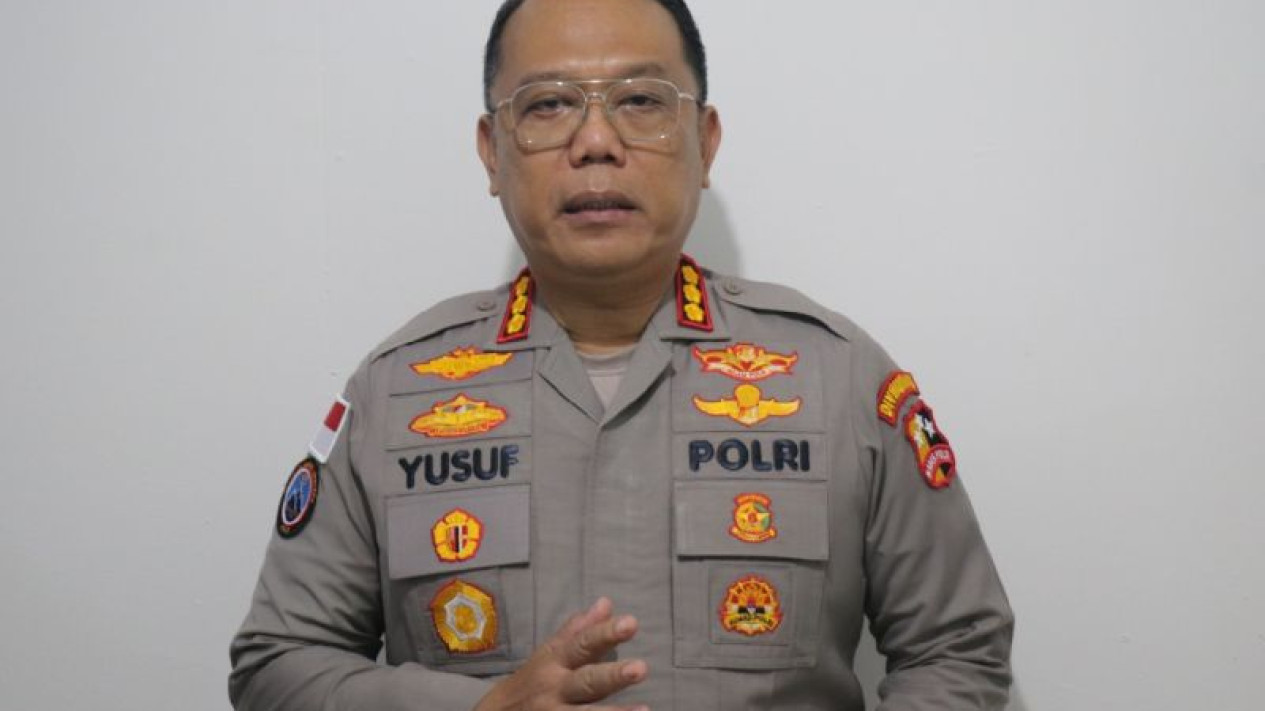
During the processing of the crime scene, the Satgas Damai Cartenz forensic team recovered several pieces of critical evidence. Commissioner Yusuf Sutejo, the head of public relations for the task force, confirmed the recovery of three shell casings. The technical analysis of these casings revealed two 5.56mm rounds, typically used in high-powered military-grade assault rifles, and one 9mm casing, suggesting the presence of a handgun or submachine gun.
Beyond the ballistics evidence, investigators discovered blood traces at the scene, which are currently undergoing DNA profiling to determine if any of the assailants were injured during the engagement. These findings support the witness’s assertion that the group consisted of approximately eight individuals, armed with at least two long-barreled firearms. The coordination of the attack and the weaponry used indicate a level of tactical planning often associated with organized armed groups operating in the Papua Pegunungan province.
Suspected Affiliation: The Shadow of the Ndugama Group
The investigation has narrowed its focus toward members of the West Papua National Liberation Army (TPNPB), specifically the Kodap III Ndugama faction. Inspector General Faizal Ramadhani, the head of the Damai Cartenz operations, noted that while the preliminary findings point toward the involvement of this specific group, the exact identities of the individual shooters are still being verified.
The Ndugama faction has been a prominent actor in the regional insurgency, often engaging in hit-and-run tactics against government infrastructure and security personnel. The fact that the victims were civil servants delivering humanitarian aid adds a layer of complexity to the motive. Analysts suggest that such attacks are frequently designed to exert territorial control, disrupt government presence, and create an atmosphere of fear within the local administration, effectively halting developmental and aid-related projects in the highlands.
Broader Implications and Security Concerns
The death of these three public servants serves as a grim reminder of the risks faced by civil society workers in Papua. Since the elevation of Papua Pegunungan to a new autonomous province, the central government has attempted to ramp up infrastructure development and social assistance programs. However, these efforts continue to face significant resistance from armed groups.
The security implications are twofold. First, the incident highlights the difficulty of protecting state apparatus members in remote areas where intelligence coverage is thin. Second, it raises questions about the long-term sustainability of civilian-led humanitarian missions without dedicated armed escorts. Following this event, local government offices in Jayawijaya have expressed deep concern, with many employees now fearing for their safety when traveling outside of the main urban centers.
Regional Instability: The Link to Broader Conflict
This act of violence occurs against a backdrop of escalating tensions in the region. Only a day prior to this incident, authorities in the neighboring Yahukimo Regency reported the discovery of over 21,400 marijuana plants, which officials linked to the activities of the Free Papua Organization (OPM). While the shooting of the agricultural workers and the drug cultivation discovery are distinct incidents, they both underscore the lawlessness currently pervading parts of the highlands.
Security analysts argue that the convergence of illegal agricultural practices—used to fund insurgency activities—and direct violence against government officials suggests a calculated strategy to destabilize the region’s governance. The use of high-caliber military weapons in the Muliama attack further suggests that these groups maintain supply lines for illicit arms, a persistent challenge for the Indonesian National Police and the Indonesian National Armed Forces (TNI).

Government and Public Response
The national government has faced mounting pressure to address the security vacuum in Papua. Official statements from the Ministry of Home Affairs and regional leaders have condemned the attack, describing it as an act of cowardice against those who were only attempting to support the local agricultural economy.
In response, the Damai Cartenz task force has intensified its pursuit operations. The strategy, according to security officials, involves a combination of tactical deployment in the highlands and intensified intelligence gathering to track the movement of the identified suspects. The authorities have also reached out to local community leaders to encourage cooperation, emphasizing that the development of the region is being directly undermined by these violent interventions.
Analysis of Future Security Measures
Looking ahead, the administration faces a delicate balance. A heavy-handed military approach has historically led to criticisms regarding human rights, yet the lack of adequate protection has proven fatal for public servants. Experts suggest that a more integrated approach, focusing on "soft" security—winning the trust of local populations through effective, consistent aid delivery and community-based protection—may be necessary. However, as long as armed groups like the Kodap III Ndugama continue to operate with the intent to isolate the region from central governance, security will remain a top-tier challenge.
The upcoming weeks will be crucial. The ability of the police to apprehend the individuals involved in the Muliama shooting will serve as a litmus test for the effectiveness of the current security strategy in Papua Pegunungan. If the perpetrators remain at large, it could embolden similar groups to target other state facilities, further hindering the government’s ability to provide essential services to the residents of the highlands.
Conclusion
The tragic loss of the three Jayawijaya Agriculture Department officials is a stark indicator of the ongoing instability in Papua Pegunungan. As the investigation progresses, the focus remains on the swift capture of the perpetrators to ensure that justice is served. However, the broader tragedy lies in the systemic environment of violence that continues to disrupt the lives of ordinary citizens and the officials striving to serve them. As the state moves forward, the integration of security, humanitarian, and diplomatic efforts will be essential to fostering a more stable and safe future for all residents of Papua.
The Damai Cartenz task force continues to coordinate with local law enforcement to ensure that the search for the eight suspects remains a priority. The public is urged to remain vigilant and provide any information that may assist in the apprehension of those responsible. As the region mourns, the incident stands as a somber reminder of the high price often paid for civil service in the most volatile corners of the nation.