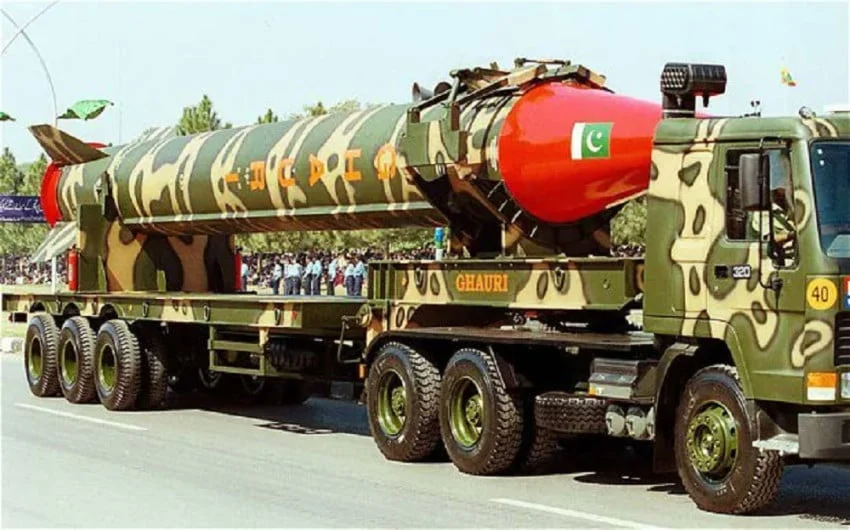
The geopolitical landscape of the Middle East and South Asia has once again been drawn into sharp focus following high-level military confirmations regarding the defense partnership between Riyadh and Islamabad. Pakistan has officially reiterated its commitment to supporting Saudi Arabia through both diplomatic channels and direct physical intervention should regional hostilities escalate further. This commitment comes at a critical juncture as the Kingdom faces a renewed barrage of cross-border missile and drone attacks orchestrated by the Houthi movement in Yemen, testing the resilience of Saudi Arabia’s air defense systems and threatening the broader stability of the Arabian Peninsula.
The confirmation of Pakistan’s steadfast posture was articulated by Lieutenant General Ahmed Sharif Chaudhry, Director General of the Inter-Services Public Relations (ISPR), the media wing of the Pakistani military. In an exclusive interview with the Saudi daily newspaper Arab News, General Chaudhry emphasized the depth of bilateral military cooperation, explicitly utilizing the term "physical" support to describe Islamabad’s readiness to defend Saudi sovereignty and territorial integrity. "I would like to stress the word ‘physical’ here," General Chaudhry stated, adding that the state apparatus and military establishment of Pakistan are prepared to undertake every necessary effort to safeguard the Kingdom.
This assertive stance underscores a long-standing strategic alliance that has historically transcended standard diplomatic ties, anchoring itself in mutual security guarantees, joint military exercises, and historical defense pacts.
Chronology of Recent Escalations and Security Breaches
The intensification of security cooperation between Riyadh and Islamabad is directly linked to a dramatic spike in offensive operations launched by Houthi forces against strategic Saudi targets. The latest cycle of violence witnessed a dangerous escalation when coalition forces led by Saudi Arabia intercepted and successfully destroyed a ballistic missile fired by Houthi combatants directly toward the Saudi capital of Riyadh at dawn.
According to official statements released by the coalition’s spokesperson, Major General Turki al-Maliki, the ballistic missile attack was not an isolated incident. Houthi forces simultaneously attempted to strike vital civilian infrastructure and populated urban centers across multiple regions of the Kingdom, including Bisha, Taif, the strategic Red Sea port city of Yanbu, and the Farasan Islands. Major General al-Maliki confirmed that Saudi Arabia’s sophisticated air defense systems neutralized the incoming airborne threats before they could inflict catastrophic damage or casualties.
Concurrently, on the ground in war-torn Yemen, kinetic engagements along active frontlines have intensified. Forces loyal to the internationally recognized Yemeni government, which receives robust financial, logistical, and military backing from the Saudi-led coalition, successfully repelled a major Houthi infiltration attempt in the al-Fuliahan sector of southern Marib. According to field reports, the fierce firefight resulted in the neutralization of 12 Houthi fighters and left numerous others wounded, highlighting the relentless ground-level friction that continues to plague the impoverished nation despite intermittent ceasefires and ongoing diplomatic efforts.
The Mecca Defense Pact and Diplomatic Nuances
At the heart of the current security discourse between Pakistan and Saudi Arabia lies the historic Mecca Defense Pact, a bilateral security arrangement that governs mutual defense commitments. The potential activation of this pact has been a subject of intense speculation and diplomatic scrutiny among regional and international observers.
Earlier in the month, Pakistan’s Minister of Defense, Khawaja Asif, brought the agreement back into the global spotlight during a televised interview. Minister Asif asserted that any direct, existential military aggression targeting Saudi territory could serve as the formal trigger for activating the Mecca Defense Pact. "We are bound by the terms and conditions of this pact, and we will fulfill them if required," Asif affirmed on September 8, signaling that Islamabad views the security of the Two Holy Mosques as a matter of paramount national and religious importance.
However, navigating the complexities of this mutual defense framework requires careful diplomatic calibration. Last week, Pakistan’s Ministry of Foreign Affairs sought to temper immediate expectations regarding imminent military deployments, clarifying that formal discussions concerning a direct military response under the strict framework of the Mecca agreement had not yet been formally concluded. Islamabad carefully noted that while the commitment remains absolute and binding, executive action will be deployed when "the time arrives," deliberately omitting specific operational thresholds or situational triggers that would compel an immediate military rollout.
This measured approach reflects Pakistan’s delicate balancing act in foreign policy. While Islamabad maintains an unbreakable strategic partnership with Riyadh, it simultaneously seeks to manage regional stability, avoiding precipitous escalations that could entangle its armed forces in protracted foreign conflicts without exhausted diplomatic alternatives.
Historical Context of the Saudi-Pakistani Military Alliance
The defense cooperation between Saudi Arabia and Pakistan is deeply rooted in decades of military collaboration, training exchanges, and strategic alignment. Since the mid-20th century, Pakistani military personnel have served in advisory, training, and operational capacities within the Kingdom, assisting in the development and modernization of the Royal Saudi Armed Forces.
In times of regional crisis, Pakistan has historically served as a critical security guarantor for Saudi Arabia. The deployment of Pakistani troops to the Kingdom during various periods of regional tension underscores a doctrine of extended deterrence. Conversely, Saudi Arabia has consistently provided vital economic assistance, oil subsidies, and financial lifelines to Pakistan during periods of severe macroeconomic distress, solidifying an interdependent relationship that defies simple transactional analysis.
However, this partnership has not been entirely without domestic political debate within Pakistan. In 2015, the Pakistani Parliament unanimously voted in favor of a resolution calling for neutrality in the Yemeni civil war, reflecting a strong domestic desire to remain detached from direct entanglement in Middle Eastern sectarian conflicts. Despite this legislative posture, successive Pakistani governments and military leaderships have consistently maintained that the defense of Saudi territorial integrity and the protection of holy sites remain an inviolable red line, allowing for nuanced operational cooperation while respecting domestic sensitivities.
Implications and Broader Regional Impact
The explicit affirmation of Pakistani military backing for Saudi Arabia carries profound implications for the ongoing conflict in Yemen and the broader geopolitical architecture of the Middle East.
-
Deterrence Against Houthi Aggression: The vocal backing of a nuclear-armed state like Pakistan serves as a powerful psychological and strategic deterrent against further high-profile Houthi attacks. By signaling that aggression against the Kingdom could invite a broader coalition of defenders, Riyadh strengthens its strategic posture.
-
Shifting Dynamics in the Yemen Conflict: As Houthi forces continue to test regional air defenses with increasingly sophisticated ballistic missiles and long-range loitering munitions—often allegedly supplied by external state sponsors—the military calculus in Yemen is evolving from a localized civil war into a complex regional theater. The involvement, even if primarily advisory or defensive at this stage, of regional heavyweights like Pakistan reinforces the staying power of the Saudi-led coalition.
-
International Diplomatic Repercussions: Western powers and regional actors, including Iran, are closely monitoring the deepening security partnership between Islamabad and Riyadh. While Western capitals generally support defensive measures to protect global energy infrastructure and maritime trade routes through the Red Sea and Bab el-Mandeb strait, they remain cautious about any military escalations that could permanently derail fragile peace talks in Yemen.
As the situation on the ground remains highly volatile, the international community continues to watch whether the renewed solidarity between Saudi Arabia and Pakistan will compel a strategic reassessment by the Houthi leadership, or if the region is bracing for a new, more dangerous phase of cross-border warfare. For now, Islamabad has drawn a clear line in the sand, assuring Riyadh that its strategic umbrella remains firmly in place.