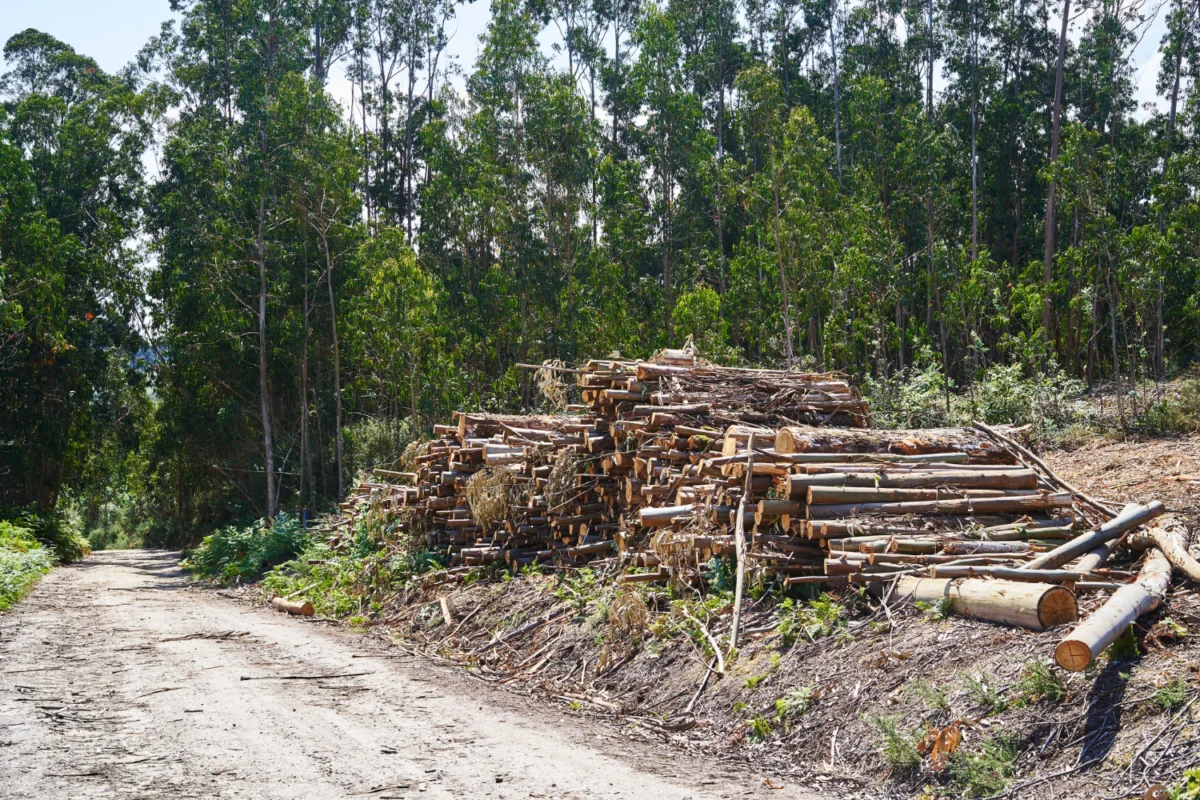
The act of indiscriminately felling trees has increasingly become a subject of critical theological and environmental discourse, framed within Islamic jurisprudence as an act of fasad—or systemic corruption of the earth. As global deforestation rates continue to threaten biodiversity and accelerate climate instability, religious scholars and environmental advocates are revisiting ancient scriptures to address modern ecological crises. In Islamic tradition, the prohibition against the reckless destruction of natural resources is not merely a moral suggestion but a fundamental ethical mandate linked to the concept of khalifah, or stewardship, of the earth.
The Theological Foundation of Environmental Stewardship
In the Islamic worldview, the earth is perceived as a perfectly balanced ecosystem created by the Divine. Human beings are tasked with the responsibility of maintaining this equilibrium. The Quran, specifically in Surah Al-A’raf verse 56, explicitly warns against "making mischief" or causing corruption on the earth after it has been set in order. This concept of ifsad fil ardh (causing corruption on earth) serves as the legal and moral basis for environmental protection.
Scholars, including the classical commentator Abul Muzhaffar As-Sam’ani, have interpreted this verse to include any human intervention that degrades the natural order. This extends beyond simple littering to include the disruption of water systems, the illegal harvesting of timber, and the destruction of fruit-bearing or shade-providing trees. The theological argument posits that a tree is not merely a commodity—a source of timber or space—but a functional component of the planetary life-support system that serves both humanity and wildlife.
Historical Context and Canonical Prohibitions
The historical trajectory of this prohibition is rooted in the Sunnah, the practices and teachings of Prophet Muhammad. One of the most cited references in this regard is a Hadith recorded in the Sunan Abu Dawud, which issues a stern warning against the unauthorized cutting of the Sidrah (Lote tree). In desert climates, such trees were vital for the survival of both humans and animals, providing necessary shade and cooling.
The Prophet’s warning, "Whoever cuts down a Sidrah tree, Allah will cause his head to be cast into the Fire," is frequently analyzed by scholars like Mulla Ali al-Qari in Mirqatul Mafatih. The analysis suggests that the prohibition is not restricted solely to the Sidrah species but is emblematic of all trees that provide essential benefits to the ecosystem. According to Al-Qari, the act of felling a tree without a legitimate, sharia-compliant justification constitutes a profound form of ghishman (oppression or injustice), as it deprives the environment and its inhabitants—including humans, animals, and insects—of necessary resources.

Modern Implications of Deforestation
In the contemporary era, the theological prohibition against reckless logging aligns closely with modern environmental science. Data from global forestry monitoring organizations indicate that the loss of primary forests contributes significantly to greenhouse gas emissions and the collapse of local microclimates. The "destruction" mentioned in ancient texts finds a modern parallel in the loss of biodiversity and the desertification of fertile lands.
From a journalistic perspective, the intersection of religion and ecology provides a unique framework for policy advocacy. In many Muslim-majority nations, local authorities and religious leaders have begun integrating environmental protection into Friday sermons (Khutbah). This strategy aims to leverage the influence of religious institutions to combat illegal logging, which often goes unchecked by traditional law enforcement in remote regions.
Economic vs. Ecological Conflict
The tension between economic development and environmental conservation is often where the issue of "felling trees" becomes most contentious. Often, deforestation is driven by industrial agriculture, urban expansion, or illegal commercial logging operations. Islamic scholars argue that while the utilization of natural resources is permitted for human survival and economic advancement, it must remain within the bounds of necessity (dharurah).
The distinction is clear: cutting a tree for a genuine, life-sustaining need is permitted, whereas destroying a forest for short-term, unsustainable profit is classified as an act of transgression. This perspective creates a rigorous moral filter through which modern development projects can be evaluated. If a project results in net environmental harm that outweighs the immediate human benefit, it is viewed through the lens of fasad, effectively delegitimizing the action in the eyes of the faithful.
The Role of the Khalifah in the 21st Century
The role of the khalifah implies that humans are custodians, not owners, of the natural world. This distinction is crucial for understanding the moral burden placed upon the individual. As climate change exacerbates weather extremes—such as droughts, floods, and heatwaves—the role of trees as natural infrastructure becomes even more critical.
Modern interpretations of the texts suggest that planting a tree is considered a form of sadaqah jariyah (ongoing charity), the benefits of which continue even after the planter’s death. Conversely, the destruction of existing trees represents an act of "ongoing harm." This binary—where planting is a merit and destroying is a liability—forms the basis of a modern "Green Islam" movement that is gaining traction across the globe.

Legislative and Community Responses
While religious teachings provide the moral framework, legal implementation remains a challenge. Several nations have begun to incorporate these traditional values into national forest conservation policies. By framing illegal logging not just as a crime against the state, but as a violation of religious duty, governments have seen increased community participation in forest protection programs.
Local village councils and community-led conservation groups have cited the aforementioned Hadith to discourage residents from engaging in unauthorized deforestation. This grassroots approach has proven more effective in some regions than top-down enforcement, as it appeals to the internal moral compass of the community members.
Analytical Summary of Ecological Impact
The factual analysis of the situation reveals that the destruction of tree cover has several cascading impacts:
- Hydrological Disruption: Trees are essential for the water cycle. Their removal leads to soil compaction and reduced water absorption, causing flash floods.
- Climate Regulation: The loss of trees removes carbon sinks, accelerating global warming.
- Habitat Fragmentation: For many species, the loss of a single mature tree can lead to the displacement of entire bird or insect colonies, disrupting the local food chain.
- Economic Loss: Over the long term, the economic loss from land degradation and the cost of managing the fallout of climate disasters far outweighs the short-term profits gained from timber sales.
Conclusion: A Call to Responsible Stewardship
The discourse surrounding the prohibition of felling trees serves as a reminder that the environment is an integral part of human faith. As the world faces the existential threat of climate change, the convergence of environmental science and religious ethics provides a robust argument for conservation.
By framing environmental protection as an act of piety, the religious perspective transforms the abstract concept of sustainability into a daily practice of duty. The message from the pulpit is increasingly clear: the earth is a trust, and the preservation of its flora is not merely a technical necessity for human survival, but a core component of the ethical life. Whether through formal government policy or community-led initiatives, the call to "plant, nurture, and respect" the creations of the earth remains a cornerstone of sustainable development in the modern world. Every tree planted is a contribution to the stability of the future, and every tree protected is a rejection of the greed that threatens the balance of the natural world.