The Central Leadership of Muhammadiyah (Pimpinan Pusat Muhammadiyah) has formally initiated extensive preparations for the upcoming Sidang Tanwir Muhammadiyah, scheduled to take place from November 13 to 15, 2026, in Palu, Central Sulawesi. As one of the highest decision-making forums within the organization outside of the triennial or quinquennial congress known as Muktamar, the upcoming Tanwir holds immense significance for charting the strategic direction of Indonesia’s second-largest Islamic organization. With a rich history spanning over a century, Muhammadiyah continues to evolve as a modern civil society organization, addressing not only national development in Indonesia but also pressing humanitarian, ecological, and geopolitical issues on the international stage.
During a recent plenary session of the PP Muhammadiyah executive board, leadership members finalized the structural frameworks for three paramount documents and policy directions. These core deliverables include the formulation of the Universal Epistle (Risalah Kesemestaan), comprehensive evaluations and potential amendments to the organization’s foundational statutes—namely the Articles of Association and Bylaws (Anggaran Dasar dan Rumah Tangga, or AD/ART)—and the drafting of a new 20-year long-term strategic master plan. Furthermore, the Tanwir forum will address crucial administrative milestones, including the ratification of electoral regulations for the subsequent Muktamar in 2027, thereby solidifying the organization’s commitment to institutional transparency, democratic succession, and progressive global engagement.
The Chronology and Preparatory Process Leading to Palu 2026
The roadmap toward the Sidang Tanwir 2026 follows a meticulously structured organizational timeline designed to ensure thorough deliberation across all administrative levels of Muhammadiyah. The preliminary stages began months prior with internal brainstorming sessions, regional consultations, and academic roundtables involving intellectuals, structural leaders, and scholars from Muhammadiyah’s extensive network of higher education institutions.
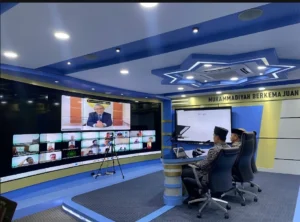
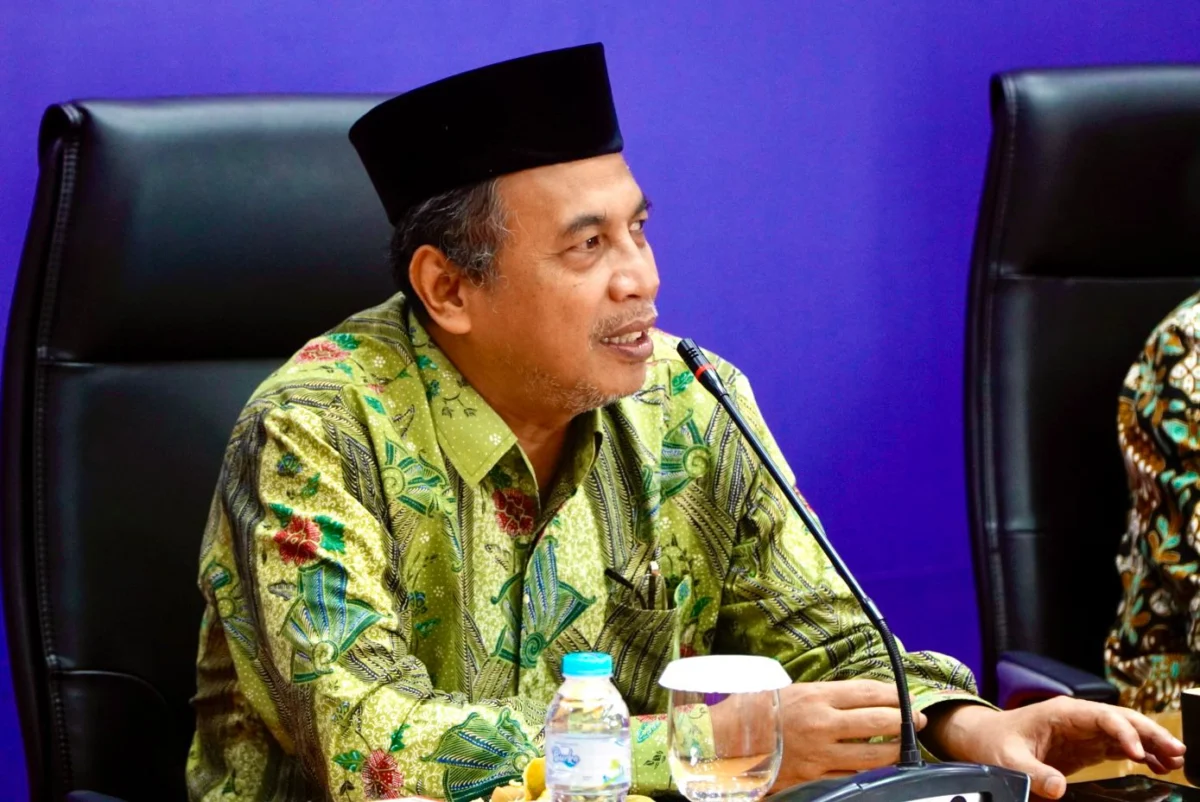
According to Agung Danarto, Chairman of PP Muhammadiyah, the recent Rapat Pleno (Plenary Meeting) served as the vital crucible where these strategic drafts were streamlined and vetted. "These core materials have been extensively deliberated through our plenary mechanisms to ensure they comprehensively address both internal organizational needs and external civilizational challenges," Agung stated on Friday, October 30.
By initiating these discussions well in advance, the central leadership aims to provide regional leadership boards (Pimpinan Wilayah) and autonomous wing organizations adequate time to review, critique, and digest the proposals before the plenary sessions commence in Palu. This methodical approach reflects Muhammadiyah’s tradition of consultative governance, ensuring that major policy shifts—such as structural revisions to the AD/ART and the adoption of multi-decade development goals—enjoy widespread consensus among its millions of members.
Deconstructing the Three Core Strategic Materials
The upcoming Sidang Tanwir in Central Sulawesi will center on three foundational pillars designed to future-proof the organization against rapidly shifting socio-political and economic paradigms.
First is the formulation of the Risalah Kesemestaan, or the Universal Epistle. In an era marked by complex global crises—ranging from climate change and economic inequality to geopolitical polarization and ethical dilemmas brought on by rapid technological advancement—Muhammadiyah seeks to articulate a robust theological and philosophical framework. Agung Danarto emphasized that this epistle is designed to offer actionable Islamic ethical perspectives on contemporary global problems. "This includes exploring the proactive roles that the Muslim community can play in addressing the pressing challenges of the modern world from a universal perspective," Agung explained. By bridging classical Islamic jurisprudence with modern contextual realities, the Risalah Kesemestaan intends to project Islam as a mercy to all worlds (Rahmatan lil-‘Alamin) through concrete humanitarian and ecological diplomacy.
Second, the Tanwir forum will tackle potential revisions to the Muhammadiyah Articles of Association and Bylaws (AD/ART). Organizational statutes require periodic reviews to maintain legal compliance, operational efficiency, and adaptability to Indonesia’s evolving legal and social landscape. While specific amendments remain under wraps pending final regional feedback, leadership sources indicate that these adjustments will likely streamline bureaucratic processes within the central and regional boards, optimize the management of charitable endowments, and enhance digital governance across the vast organizational network.
Third, the organization faces a critical historical juncture regarding its long-term strategic planning. The current multi-decade master plan, which has guided Muhammadiyah’s developmental trajectory over the past twenty years, reaches its conclusion at the end of this year. Consequently, the Tanwir assembly is tasked with ratifying a groundbreaking secondary long-term program spanning the next two decades. "Therefore, we urgently need a second long-term framework. Our long-term working program is designed to cover a span of 20 years," Agung noted. This upcoming master plan is expected to focus on sustainable development, economic empowerment of the grassroots community, digital transformation, and the expansion of world-class educational and healthcare infrastructure.
Electoral Regulations and the Pathway to Muktamar 2027
Beyond ideological and programmatic declarations, the Sidang Tanwir carries significant administrative responsibilities, chief among them being the enactment of the Electoral Code of Conduct (Tata Tertib Pemilihan) for the upcoming Muktamar in 2027.
Muhammadiyah maintains a strict institutional tradition wherein the rules governing the election of its central leadership are finalized precisely one year prior to the national congress. This proactive regulatory approach prevents last-minute procedural disputes and ensures an orderly, transparent, and dignified democratic process. "In Muhammadiyah, electoral regulations must be enacted one year before the Muktamar. Once these rules are finalized and ratified here, the subsequent congress can focus entirely on executive selection and policy endorsement," Agung asserted. This meticulous adherence to institutional bylaws reinforces the organization’s reputation for stable governance and peaceful leadership transitions.
The Internationalization Agenda and Global Outreach
A critical dimension woven into the discussions of the Risalah Kesemestaan is Muhammadiyah’s ongoing drive toward internationalization. Over the past decade, the organization has systematically expanded its global footprint, establishing special regional branches (Pimpinan Cabang Istimewa Muhammadiyah/PCIM) across numerous countries in Asia, Europe, Australia, and the Americas, alongside launching major educational and humanitarian ventures abroad, such as the Muhammadiyah university campus in Malaysia (Universitas Muhammadiyah Malaysia/UMAM) and humanitarian missions in Palestine, Rohingya refugee camps, and disaster-hit regions worldwide.
The deliberation in Palu aims to institutionalize this global outlook further. By upgrading the capacities of organizational cadres for international diplomacy and exploring the feasibility of expanding Amal Usaha Muhammadiyah (AUM)—its vast network of schools, hospitals, and socio-economic enterprises—beyond national borders, Muhammadiyah is positioning itself as a prominent global civil society actor. The discussions will assess how domestic successes in poverty alleviation, healthcare provision, and religious moderation can be successfully adapted to international contexts.
Contextual Background and Regional Significance of Palu
The choice of Palu, Central Sulawesi, as the host city for the 2026 Sidang Tanwir carries profound symbolic and practical meaning. Following the devastating earthquake, tsunami, and liquefaction disaster in 2018, Muhammadiyah—through its disaster management wing, the Muhammadiyah Disaster Management Center (MDMC)—played a pivotal role in immediate emergency response, community rebuilding, rehabilitation, and long-term infrastructure reconstruction in the region.
Hosting a national-scale assembly of this magnitude in Central Sulawesi serves as an acknowledgment of the region’s resilience and a testament to Muhammadiyah’s enduring commitment to equitable national development outside of the traditional urban centers of Java. It also provides a strategic platform to boost local economic activity, foster interfaith harmony in a culturally diverse province, and highlight the infrastructural progress achieved in post-disaster Central Sulawesi.
Broader Implications and Analytical Outlook
Political and social analysts observing the trajectory of Indonesian Islam note that Muhammadiyah’s Sidang Tanwir 2026 will likely set the tone for progressive Islamic thought in Southeast Asia. By prioritizing global ethics, long-term ecological stewardship through the Risalah Kesemestaan, and institutional resilience via updated bylaws, the organization continues to demonstrate that faith-based entities can successfully marry traditional spiritual values with contemporary governance demands.
The successful implementation of the 20-year strategic plan formulated in Palu will heavily influence Indonesia’s socio-economic fabric, particularly in areas of human capital development, healthcare accessibility, and moderate religious education. As preparations accelerate toward November 2026, all eyes within Indonesia’s religious and civic landscape will turn to Central Sulawesi, where Muhammadiyah is poised to draft the next foundational chapter of its century-long journey. Concluding his remarks, Agung Danarto expressed optimism regarding the collective output of the upcoming assembly. "Essentially, the Tanwir is prepared as an essential milestone leading up to the Muhammadiyah Congress. Therefore, all agendas and materials discussed are expected to be executed to the highest possible standard," he concluded.