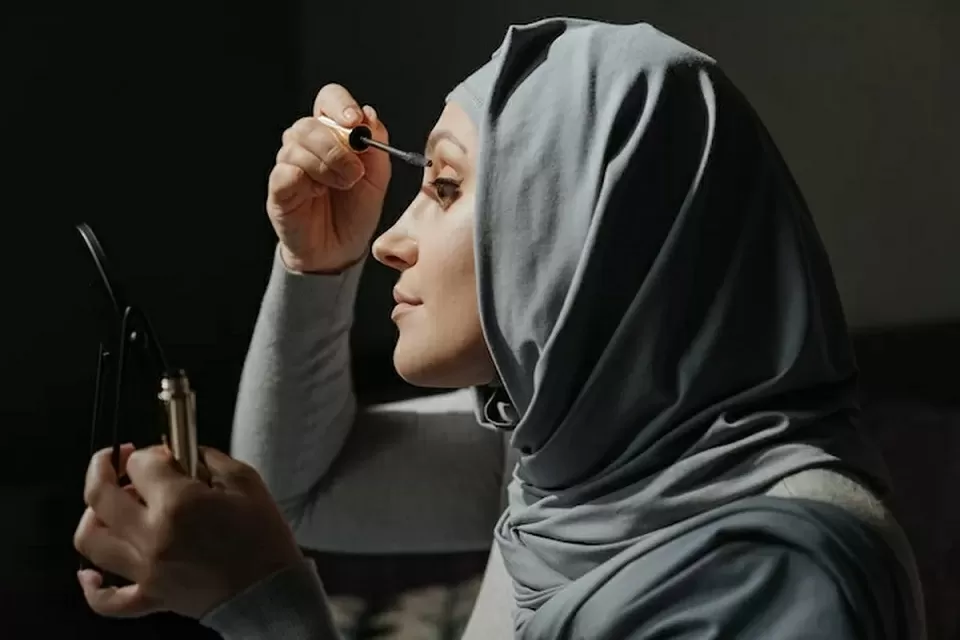
Tampil cantik dan awet muda menjadi dambaan banyak perempuan, termasuk muslimah. The pursuit of timeless elegance, graceful aging, and radiant vitality has long been a universal aspiration for women across the globe. In the contemporary era, this desire has manifested into a multi-billion-dollar global wellness and beauty industry, where consumers navigate a dizzying array of skincare regimens, dermatological procedures, and holistic wellness trends. For Muslim women, however, the journey toward maintaining youthfulness and aesthetic appeal occupies a unique intersection between personal self-care, cultural expression, and immutable religious tenets. Far from dismissing the desire to look and feel one’s best, Islamic jurisprudence and theological traditions offer a comprehensive, balanced framework that validates aesthetic appreciation while fundamentally anchoring true beauty in spiritual purity, ethical conduct, and inner serenity.
Understanding how faith informs lifestyle choices has become increasingly vital as modern demographic shifts place a greater emphasis on holistic well-being. Mainstream wellness discourses frequently separate the physical body from the spiritual self, often leading to body dissatisfaction or excessive materialism. In contrast, the Islamic paradigm views the human form as an entrusted blessing—an amanah—from the Creator, requiring respectful stewardship, moderation, and mindful maintenance. This nuanced perspective has sparked significant academic and community interest, prompting scholars, sociologists, and wellness practitioners to examine how Muslim women integrate traditional spiritual practices with modern self-care routines to achieve holistic longevity and grace.
Historical Context and Theological Foundations of Beauty in Islam
To fully appreciate the modern Muslimah’s approach to beauty and wellness, it is essential to examine the historical and scriptural context embedded within Islamic jurisprudence. From the advent of Islam in the 7th century, the faith actively rejected the notion that spiritual devotion requires physical neglect or ascetic squalor. Historical texts from the prophetic era document that both men and women engaged in grooming practices, utilized natural fragrances such as musk and attar, maintained oral hygiene using the miswak, and cared for their hair and skin using contemporary botanical elements like henna and olive oil.
The foundational texts of Islam explicitly recognize and validate the human appreciation for aesthetics. The Holy Quran frequently employs imagery of beauty, verdant landscapes, and physical splendor to describe the ultimate rewards of the afterlife, signaling that beauty inherently possesses divine resonance. In Surah Ar-Rahman (Verse 70), the Quran describes the inhabitants of paradise with the words: "In them are good and beautiful women" (translated conceptually as companions with radiant physical and moral traits). Furthermore, Surah Al-Ahzab (Verse 52) acknowledges the powerful pull of physical attractiveness, noting the societal recognition of beauty while regulating its social applications.
Throughout Islamic history, jurists have maintained that beautification is not only permissible but, under specific domestic contexts, highly encouraged. Islamic law establishes a clear distinction between public display—which is governed by principles of modesty (hijab) to protect personal dignity and societal equilibrium—and private presentation. Within the sanctity of marriage, a Muslim woman is explicitly permitted, and indeed spiritually rewarded, for embellishing her appearance to foster affection, mutual respect, and marital harmony with her husband. This foundational philosophy ensures that beauty remains an instrument of connection and self-respect rather than a tool for validation through societal objectification.
The Modern Intersection of Sharia Compliance and Aesthetic Care
In contemporary society, the definition of beauty care has expanded far beyond traditional cosmetics to encompass complex dermatological treatments, cosmetic surgeries, anti-aging therapies, and commercial wellness supplements. For the modern Muslimah, navigating this vast marketplace requires constant calibration against the principles of Sharia.
Islamic scholars and contemporary fatwa committees generally categorize beauty treatments into permissible (halal), discouraged (makruh), and strictly prohibited (haram) practices. Permissible treatments include standard skincare routines, non-invasive dermatological care, hair styling, and the use of natural cosmetics that do not contain harmful or ritually impure ingredients. Conversely, practices that involve permanent alterations to creation—such as extensive cosmetic surgeries performed purely for vanity rather than corrective medical necessity, permanent body modifications, or the use of substances derived from forbidden sources—are viewed with strict caution or outright prohibition.
This regulatory framework encourages Muslim women to pivot toward natural, sustainable, and holistic methods of maintaining youthfulness. Rather than relying on invasive procedures that promise instantaneous, artificial results, a growing demographic of Muslim women is embracing "Clean Beauty" movements that harmonize seamlessly with Islamic ethics. These practices prioritize bodily health, ethical consumption, and the avoidance of harm to oneself or others, reflecting the prophetic maxim: "There should be neither harming nor reciprocating harm."
Chronology of Islamic Wellness: Bridging Ancient Rituals with Modern Health
The evolution of wellness practices within Muslim-majority societies has transitioned through distinct historical phases, adapting to modern scientific understandings while retaining core spiritual rituals:
- The Prophetic Era (7th Century): Establishment of fundamental hygiene practices (Sunnah), emphasis on cleanliness as half of faith (taharah), utilization of natural remedies (Hibbatus Sa’da or black seed, honey, olive oil), and basic grooming standards.
- The Golden Age of Islamic Science (8th–14th Centuries): Scholars such as Ibn Sina (Avicenna) revolutionized medicine, pharmacology, and dermatology in works like The Canon of Medicine, documenting systematic approaches to skincare, dietary balance, and the preservation of youth through natural pharmacology.
- The Colonial and Post-Colonial Transition (19th–20th Centuries): Integration of Western cosmetic manufacturing with traditional regional practices, leading to the commercialization of beauty products across the Middle East, South Asia, and Southeast Asia.
- The Contemporary Halal Wellness Boom (21st Century): Emergence of certified halal cosmetics, holistic Islamic wellness retreats, and digital platforms dedicated to guiding Muslimahs on how to balance modern self-care with religious obligations.
Empirical Insights and Data on the Halal Beauty and Wellness Sector
The economic and social implications of this cultural shift are profound. According to recent market research data from the State of the Global Islamic Economy Report, the global expenditure on halal cosmetics and personal care products has experienced exponential year-on-year growth, projected to reach tens of billions of dollars globally. This surge is driven by a young, highly educated, and digitally connected demographic of Muslim women who refuse to compromise between their faith and their lifestyle preferences.
Unlike conventional beauty markets that frequently market products via unattainable aesthetic standards, the halal beauty sector emphasizes transparency, ethical sourcing, cruelty-free testing, and alcohol-free formulations. This data underscores a broader psychological and consumer trend: modern Muslimahs view beauty care as an extension of holistic health, encompassing mental clarity, emotional stability, and spiritual integrity.
Expert Perspectives and Analytical Implications
Sociologists and religious scholars analyzing the modern Muslim beauty movement point out several key implications for contemporary society. Dr. Amina Wadud, a prominent scholar of Islamic studies, has frequently noted that Islam’s approach to the body emphasizes stewardship rather than ownership. "The body is a vehicle for spiritual elevation," she observes. "When we care for our physical vessel through wholesome nutrition, cleanliness, and gentle care, we are honoring the divine trust placed within us."
From a psychological perspective, public health analysts suggest that integrating spiritual practices into daily wellness routines provides a powerful buffer against the anxiety and body dysmorphia often exacerbated by social media algorithms. By anchoring self-worth in internal virtues—such as kindness, humility, and remembrance of God—Muslim women often report a healthier, more grounded relationship with aging and physical appearance.
Furthermore, economic analysts project that the continued expansion of the ethical and halal wellness markets will continue to influence mainstream manufacturing standards. As consumers increasingly demand products that are ethically produced, environmentally sustainable, and chemically safe, the intersection of Islamic ethics and modern science offers a viable blueprint for conscious consumerism applicable to women of all backgrounds.
Practical Amalan: Ten Pillars of Radiance and Longevity According to Islamic Tradition
Beyond topical treatments and skincare regimens, Islamic teachings emphasize that true radiance radiates from the inside out. Spiritual calmness, ethical behavior, and consistent worship significantly impact mental well-being, which in turn reduces stress hormones like cortisol that accelerate cellular aging. Below are foundational practices deeply rooted in Islamic tradition that serve as a comprehensive guide for maintaining spiritual vitality and physical grace.
1. The Practice of Sunnah Fasting
Fasting is fundamentally prescribed in Islam to foster spiritual discipline, God-consciousness (taqwa), and self-restraint. Beyond its spiritual merits, medical science increasingly validates intermittent fasting—such as the Islamic practice of fasting on Mondays and Thursdays (Ayyam al-Beid or the white days of the lunar month)—as a powerful tool for cellular rejuvenation, autophagy, metabolic regulation, and anti-aging. By regulating food intake, fasting helps detoxify the body, resulting in clearer skin and enhanced physical vitality.
2. Cultivating Gratitude and Smiling
In Islamic ethics, a warm, genuine smile is not merely a social nicety; it is classified as a formal act of charity (sadaqah). The Prophet Muhammad consistently emphasized the psychological and social value of a cheerful countenance. From a physiological standpoint, smiling engages facial muscles, releases endorphins, and lowers stress levels, naturally contributing to a relaxed, youthful demeanor and a welcoming outward appearance.
3. Regular Ablution (Wudu) as Natural Skincare
Performing ritual ablution five times a day requires washing the face, hands, arms, and feet with clean water. This frequent cleansing removes accumulated environmental pollutants, excess oils, and impurities from the skin pores. Furthermore, the mindful presence required during wudu serves as a form of meditative hydrotherapy, cooling the nervous system and washing away psychological stress.
4. Maintaining Emotional Balance through Dhikr (Remembrance of God)
Chronic anxiety and emotional turmoil are primary drivers of premature aging. The practice of Dhikr (the repetitive remembrance of God) and regular meditation on divine mercy provide a profound psychological anchor. Studies in psychoneuroimmunology confirm that spiritual contemplation lowers blood pressure, stabilizes heart rates, and promotes deep cellular relaxation.
5. Prioritizing Rest and the Prophetic Sleep Schedule
Islam places high importance on restorative rest, encouraging adherents to sleep early and rise for pre-dawn prayers (Tahajjud). Aligning sleep patterns with natural circadian rhythms optimizes human growth hormone production, cellular repair, and skin elasticity, ensuring a naturally refreshed appearance upon waking.
6. Wholesome and Halal Nutrition
The Quran continually commands humanity to consume food that is Tayyib (pure, wholesome, and ethically sourced). Emphasizing a balanced diet rich in natural whole foods—such as dates, olives, figs, honey, and fresh water—provides the essential micronutrients required for vibrant skin, strong hair, and optimal metabolic function.
7. Guarding Against Envy and Ill Will
Spiritual toxins such as envy (hasad), malice, and resentment manifest physically in facial tension and emotional distress. Islamic teachings strongly discourage holding grudges and harboring negative thoughts toward others. Purifying the heart from spiritual ailments fosters a serene expression and an inner glow that no cosmetic product can artificially replicate.
8. Regular Physical Movement and Activity
While not always categorized as formal worship, maintaining an active lifestyle is encouraged in Islam to preserve the health of the body. Prophetic traditions famously encouraged learning swimming, archery, and horseback riding. Regular cardiovascular exercise improves systemic blood circulation, delivering essential oxygen and nutrients to skin cells.
9. Practicing Modesty and Guarding Self-Dignity
The concept of haya (modesty and self-respect) protects the individual from the exhausting cycle of seeking constant validation from external sources. By maintaining personal boundaries and focusing on internal character development, a Muslimah cultivates quiet confidence, dignity, and poise that endure far beyond physical youth.
10. Continuous Pursuit of Knowledge and Mental Stimulation
Islam places supreme value on education and intellectual curiosity for both men and women. Keeping the mind active through the study of sacred texts, literature, science, and practical skills prevents mental stagnation, maintains cognitive sharpness, and fosters a dynamic, youthful outlook on life.
Conclusion
The intersection of Islamic tradition and modern wellness reveals a timeless truth: beauty is a multifaceted concept that transcends fleeting physical trends. By integrating modern scientific self-care with the profound spiritual disciplines of faith, gratitude, emotional purity, and balanced living, the modern Muslimah navigates the pursuit of beauty and longevity with grace, authenticity, and enduring peace.