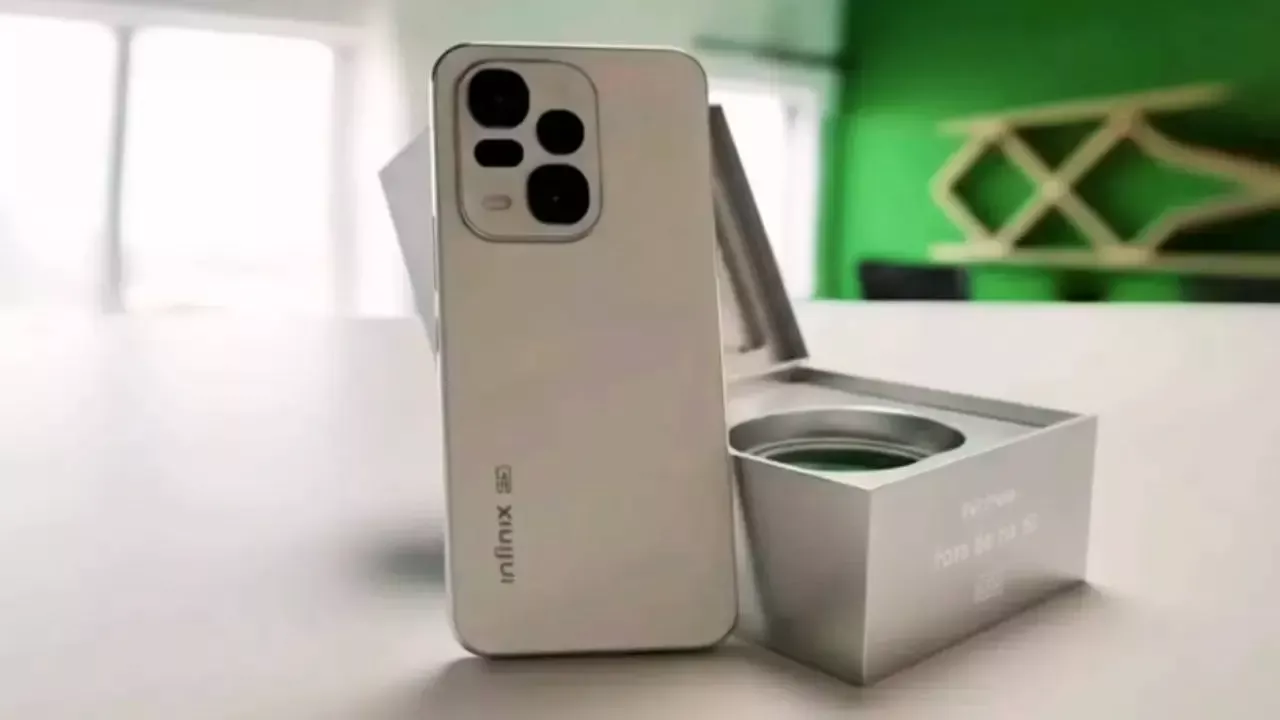
Industry reports emerging in April 2026 indicate that Infinix, a rapidly growing smartphone manufacturer, is preparing to launch a new device within its Note series, tentatively named the Infinix Note 60 Pro. This upcoming smartphone is generating significant buzz due to a suite of features considered highly unusual for its projected mid-range segment, most notably an exceptionally large 6,500mAh battery and an innovative secondary display on its rear panel. These early disclosures, stemming from initial industry intelligence, paint a picture of a device designed to challenge conventional expectations and redefine value propositions in a fiercely competitive market.
The cornerstone feature of the Infinix Note 60 Pro, as detailed in these preliminary reports, is its monumental 6,500mAh battery. This capacity significantly surpasses the average battery size found in most smartphones, particularly within the mid-range category, where capacities typically hover between 4,500mAh and 5,000mAh. Even many premium flagship devices often cap out at 5,000mAh. The integration of such a substantial power source is a clear strategic move by Infinix, targeting users who demand prolonged usage without the constant anxiety of searching for a charging outlet. For segments of the market heavily engaged in mobile gaming, high-definition video streaming, extensive social media interaction, or demanding multitasking scenarios, this elevated battery capacity promises an unparalleled endurance experience. Users could realistically expect to achieve multi-day usage on a single charge, or at least comfortably navigate a full day of intensive use with significant power reserves remaining. This focus on battery longevity aligns perfectly with evolving consumer habits, where smartphones serve as primary computing devices for an increasing array of daily tasks, making consistent power supply a critical differentiator. The engineering feat of incorporating such a large battery while maintaining a manageable device profile will be a key aspect to observe upon the phone’s official unveiling. While fast charging capabilities are not explicitly mentioned in the initial reports, it is a logical inference that Infinix would pair such a large battery with a robust fast-charging solution to minimize downtime, a common practice in the modern smartphone landscape.
Beyond its impressive battery, the Infinix Note 60 Pro is also slated to feature a secondary display on its rear. This inclusion is particularly noteworthy as secondary displays have historically been reserved for high-end flagship devices, if present at all. The functionality of such a display typically includes providing quick access to essential information such as time, date, battery status, and notifications without needing to activate the main screen. It can also serve as a viewfinder for higher-quality rear camera selfies, or display custom widgets and ambient information. While not a completely novel concept in the broader smartphone history (examples include the LG V series, the Xiaomi Mi 11 Ultra, or even earlier feature phones), its appearance in a mid-range Infinix device signals an aggressive play for product differentiation. For Infinix, integrating a secondary display is not merely a design flourish but a strategic tool to enhance user convenience and offer a unique selling proposition in a crowded market segment. This feature could significantly improve user experience by reducing main screen activations, thus potentially conserving battery life and extending device longevity. It also offers a distinct aesthetic that can help the device stand out visually.
Underpinning the device’s performance, the Infinix Note 60 Pro is expected to be powered by a Qualcomm Snapdragon chipset. While the specific model of the processor remains unconfirmed, the choice of Snapdragon generally implies a commitment to delivering a robust and efficient user experience. Qualcomm’s Snapdragon series is renowned for its balanced performance, capable graphics processing units (GPUs) ideal for gaming, and efficient power management. The integration of a Snapdragon chipset would enhance the Note 60 Pro’s capabilities across various applications, from demanding mobile games to smooth multitasking and responsive user interfaces. This move indicates Infinix’s intent to elevate its standing in the mid-range segment, competing not just on features but also on raw performance and system optimization. Furthermore, the report highlights that this choice aligns with the broader industry trend of smartphone manufacturers adopting chipsets with advanced Artificial Intelligence (AI) capabilities. Modern Snapdragon chipsets often include dedicated AI Engines or Neural Processing Units (NPUs) that accelerate AI-driven tasks, such as advanced computational photography, real-time language processing, and intelligent system resource management, leading to improved camera performance, enhanced battery efficiency, and a more personalized user experience.
From a design perspective, the inclusion of a secondary display inherently signifies a bold approach to product aesthetics and user interaction. This feature will undoubtedly influence the device’s overall form factor and material choices, creating a unique visual identity that distinguishes it from the sea of conventional smartphones. The interplay between the large battery, the secondary display, and the internal components presents an engineering challenge to maintain an ergonomic and visually appealing design. However, if executed successfully, it could solidify the Note 60 Pro as a design innovator within its price bracket.
Infinix’s Proven Track Record with Large Battery Devices
The strategy behind the Infinix Note 60 Pro’s large battery is not an isolated incident but rather an extension of Infinix’s well-established market approach, particularly visible in emerging markets like Indonesia. Infinix has consistently positioned itself as a brand that caters to the demands of power users on a budget, offering devices with robust battery capacities across its Hot, Note, and Smart series. This focus is a direct response to prevailing consumer trends, especially in regions where smartphone usage is intensely high, encompassing prolonged periods of video streaming, immersive mobile gaming, and extensive engagement with social media platforms. In such environments, battery life often emerges as a top-tier consideration for consumers, frequently outweighing even camera quality or specific processor benchmarks when making purchasing decisions.
A prime example of this commitment is the Infinix Hot 30 Play, a model that has seen widespread adoption in Indonesia, boasting a substantial 6,000mAh battery. This device was specifically engineered to support heavy usage scenarios, including casual gaming and media consumption over extended durations, without requiring frequent recharges. Furthermore, the newer generations within the Hot series generally maintain a battery capacity in the range of 5,000mAh, striking a balance between enduring power, a sleek design, and a manageable device weight. These models are designed for users who require dependable daily performance coupled with efficient power management.
Similarly, the Infinix Note series, which the upcoming Note 60 Pro will join, has consistently featured large batteries, typically around 5,000mAh in its recent iterations available in Indonesia. Positioned in the mid-range segment, the Note series offers larger displays, enhanced performance, and often includes features like fast charging to complement its robust battery life. This strategic consistency underscores Infinix’s understanding of its target demographic’s needs.
Even in the entry-level segment, the Infinix Smart series does not compromise on battery endurance. The majority of devices within this line also come equipped with approximately 5,000mAh batteries, targeting first-time smartphone users or those seeking a reliable secondary device with exceptional standby and usage times. This across-the-board commitment to high-capacity batteries demonstrates Infinix’s deep-rooted philosophy of providing maximum utility and uninterrupted digital experiences to its users, thereby building a loyal customer base that values power longevity. The 6,500mAh battery in the Note 60 Pro, therefore, represents an evolutionary leap, pushing the boundaries even further within this well-established brand identity.
Chronology and Market Context
The initial information regarding the Infinix Note 60 Pro surfaced in April 2026, stemming from preliminary industry reports. This typical pre-launch leak pattern often precedes an official product announcement by several weeks or months, suggesting a potential launch window later in 2026. Such early disclosures allow brands to gauge market interest and fine-tune their marketing strategies.
The mid-range smartphone market in 2026 is characterized by intense competition and rapidly escalating consumer expectations. Brands are constantly vying to offer the best value-for-money proposition, pushing the boundaries of features traditionally reserved for premium segments into more accessible price points. Emerging markets continue to be crucial battlegrounds, with millions of users upgrading from feature phones or older smartphones, seeking devices that can handle increasingly sophisticated digital lifestyles without breaking the bank. Infinix, alongside competitors like Xiaomi, Realme, Samsung, and Oppo, operates within this dynamic landscape, where innovation, aggressive pricing, and understanding local market needs are paramount for success. The Note 60 Pro, with its distinctive features, positions Infinix to carve out a unique niche within this highly competitive environment.
Broader Market Implications and Analysis
The potential launch of the Infinix Note 60 Pro with a 6,500mAh battery and a secondary display carries significant implications for the broader smartphone market. It exemplifies a continuing trend of "feature cascade," where innovations first seen in flagship devices gradually make their way into more affordable segments. For years, features like high refresh rate screens, advanced camera sensors, and fast charging technologies have followed this trajectory. The Note 60 Pro suggests that even more niche, high-value features like secondary displays are now viable for mid-range integration.
This move by Infinix could compel other manufacturers in the mid-range segment to reassess their product roadmaps. Competitors might feel pressured to innovate beyond standard specifications, potentially leading to a new wave of differentiated features in this price bracket. Brands that traditionally rely on incremental upgrades might find themselves lagging if they do not respond to this aggressive push by Infinix. Ultimately, this competition benefits consumers, as it drives down the cost of advanced technologies and expands the array of choices available.
Furthermore, the emphasis on an extremely large battery speaks to a growing consumer demand for device longevity, not just in terms of lifespan, but also in daily usage duration. As individuals become more reliant on their smartphones for work, education, and entertainment, the need for a device that can keep up with their demanding schedules without interruption becomes paramount. This shift could influence battery design standards across the industry, with a greater focus on optimizing power efficiency and capacity.
The integration of an AI-capable Snapdragon chipset, even if not a top-tier model, also underscores the increasing importance of artificial intelligence in enhancing the user experience. AI is no longer confined to voice assistants; it is integral to camera processing, predictive text, adaptive battery management, and system optimization. For the Note 60 Pro, this means smarter photography, more efficient power allocation, and a smoother overall performance, directly addressing key pain points for users.
Potential Challenges and Considerations
While the proposed features of the Infinix Note 60 Pro are exciting, their implementation presents several challenges. The sheer size of a 6,500mAh battery inevitably adds weight and thickness to the device. Infinix will need to carefully engineer the phone’s ergonomics to ensure it remains comfortable to hold and use for extended periods. Balancing the desire for a large battery with a sleek form factor is a perennial challenge for smartphone designers.
The cost of integrating a secondary display, along with a powerful Snapdragon chipset, while maintaining a mid-range price point, will be a critical factor. Infinix’s success often hinges on its ability to offer compelling features at competitive prices. Any significant cost increase might push the device out of its intended market segment.
Moreover, the utility of a secondary display heavily relies on robust and intuitive software optimization. If the software implementation is clunky or offers limited functionality, the feature could be perceived as a gimmick rather than a genuine enhancement. Infinix will need to ensure a seamless and valuable user experience for the secondary display to truly differentiate the Note 60 Pro.
Finally, market acceptance of these "uncommon" features will be the ultimate determinant of success. While power users might appreciate the massive battery and tech enthusiasts might be drawn to the secondary display, the broader consumer base might prioritize other aspects or simply not see the value in features they are unfamiliar with. Infinix’s marketing strategy will be crucial in educating consumers about the benefits of these innovations.
In conclusion, the Infinix Note 60 Pro, as suggested by early industry reports in April 2026, appears to be an ambitious device poised to significantly disrupt the mid-range smartphone market. By combining an extraordinary 6,500mAh battery with a unique secondary display and a capable Snapdragon chipset, Infinix is signaling a bold strategy to differentiate its offerings and cater to a growing segment of power-hungry and feature-conscious consumers. The official launch will undoubtedly be keenly watched by both consumers and competitors alike, as it could set new benchmarks for what is expected from a mid-range smartphone.