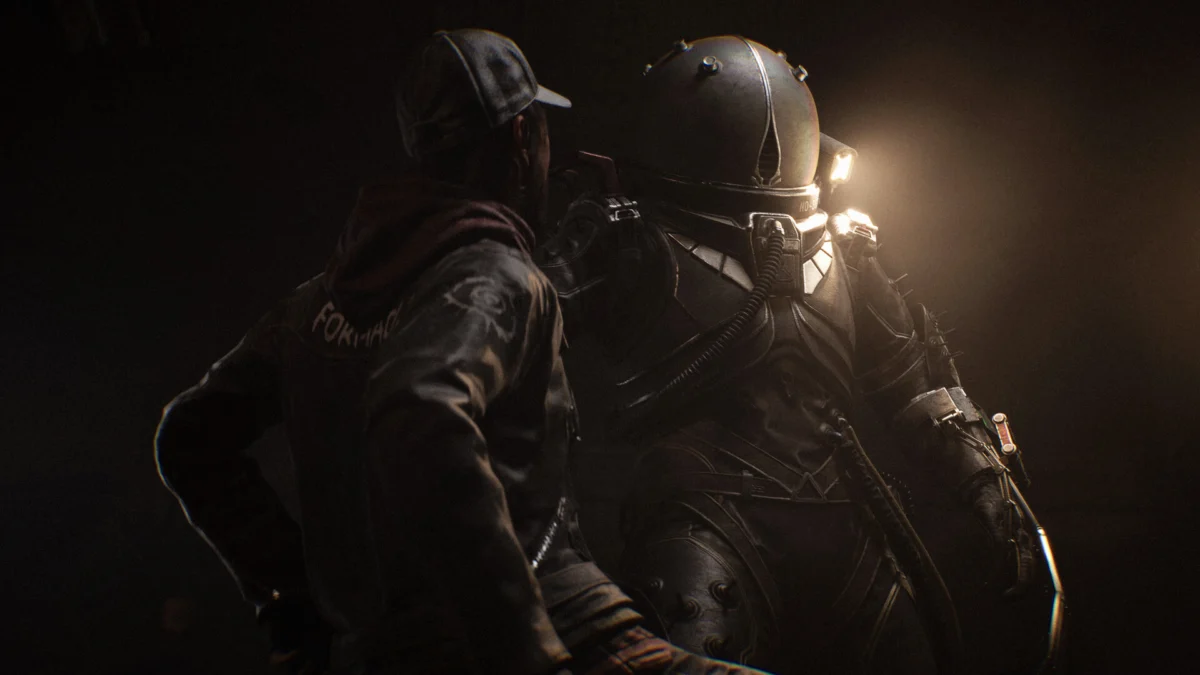
Kraków, Poland – Bloober Team, the acclaimed Polish video game developer renowned for its psychological horror titles, has officially announced a sweeping organizational shift to a multi-project development structure, confirming that the studio is now actively working on an unprecedented seven horror games concurrently. This strategic pivot marks a significant expansion of the studio’s operational model, moving away from a primary focus on single, sequential projects to an ambitious parallel development pipeline designed to solidify its position as a dominant force within the horror genre. The announcement follows earlier indications of an impending organizational restructuring, culminating in this official confirmation of a bold new chapter for the developer.
This profound change in development philosophy is not merely an increase in workload but a fundamental re-engineering of the studio’s internal dynamics and external partnerships. While the specifics of all seven projects remain largely under wraps, two titles have already garnered public attention: the highly anticipated Layers of Fear 3 (or a new iteration within the franchise) and Project M, a mysterious new venture reportedly slated for exclusive release on Nintendo platforms. The existence of five additional, undisclosed projects underscores the sheer scale of Bloober Team’s current ambitions, signaling a comprehensive and diversified approach to game creation that aims to capture various segments of the horror market across multiple platforms.
The Strategic Imperative: Adapting to a Dynamic Industry Landscape
Bloober Team’s decision to embrace a multi-project system is a calculated response to the increasingly competitive and volatile nature of the video game industry. In an era where development cycles can stretch for years and market trends can shift rapidly, relying on a singular flagship title carries inherent risks. A multi-project strategy, if managed effectively, allows studios to diversify their revenue streams, mitigate the impact of a single project’s underperformance, and maintain a continuous presence in the market. This approach is not entirely new in the industry, with larger publishers and some independent studios often juggling multiple titles, but for a studio of Bloober Team’s size and specialized focus, it represents a substantial leap.
The shift comes at a critical juncture for the studio, which has steadily built a reputation for crafting atmospheric and narrative-driven psychological horror experiences. From the surreal artistry of Layers of Fear to the cyberpunk dystopia of Observer and the dual-reality mechanics of The Medium, Bloober Team has consistently pushed the boundaries of the genre. Their involvement in the highly anticipated Silent Hill 2 Remake for Konami has further elevated their profile, placing them firmly in the global spotlight and demonstrating their capability to handle beloved, established intellectual properties. This increased visibility and perceived capability likely provided the impetus and confidence for such a significant internal expansion. The long development timelines for AAA titles, often spanning 3-5 years or more, also create periods of revenue uncertainty; a multi-project approach can smooth out these financial peaks and troughs.
Bolstering Leadership: A Confluence of Industry Veterans
Integral to this strategic overhaul is a significant restructuring of Bloober Team’s management and leadership, designed to support the increased operational complexity and foster greater efficiency. According to reports from GamesIndustry.Biz, the studio has made several high-profile appointments, bringing in seasoned industry veterans to guide its expanded ambitions.
Thaine Lyman, a former executive at Activision, has been appointed as the new Head of Studio. Lyman’s extensive background at one of the world’s largest video game publishers, known for managing massive franchises like Call of Duty, brings invaluable experience in large-scale production, operational management, and strategic oversight. His role will be crucial in streamlining workflows, coordinating multiple development teams, and ensuring that Bloober Team’s creative vision translates into cohesive and high-quality products across all projects.
Complementing this, Katya Baukova, previously associated with CD Projekt Red – another Polish titan of the gaming industry known for The Witcher and Cyberpunk 2077 – has joined as the Director of Business Development. Baukova’s expertise will be pivotal in forging new partnerships, securing publishing deals, and expanding Bloober Team’s market reach globally. Her experience from a studio with a strong international presence and a reputation for meticulous planning will be instrumental in navigating the complex business landscape of multi-project development.
Further strengthening the publishing arm, Michał Gembicki, also a former CD Projekt Red employee, has been named Head of Publishing. Gembicki’s role will focus on bringing Bloober Team’s diverse portfolio to market effectively, managing marketing campaigns, distribution channels, and player engagement strategies. The collective experience of these new hires from major AAA studios suggests a clear intent from Bloober Team to adopt best practices in large-scale development and global publishing, positioning themselves for sustained growth and broader market penetration.

CEO Piotr Babieno’s Vision: A Calculated Approach to Growth
Piotr Babieno, CEO of Bloober Team, has been the vocal architect of this transformative strategy. He articulated the rationale behind the multi-project system, emphasizing the company’s commitment to maintaining creative excellence despite the increased volume of work. Babieno explained that the company will maintain two primary internal teams dedicated to first-party projects. This core structure allows Bloober Team to retain direct creative control over its most significant and strategically important titles, ensuring they embody the studio’s distinctive artistic and narrative hallmarks.
Babieno stressed that in the current industry climate, relying solely on a single project is an unsustainable and overly risky proposition. The financial commitment, extended development times, and unpredictable market reception of a single title can pose existential threats to even established studios. By diversifying their project portfolio, Bloober Team aims to create a more resilient business model, capable of weathering market fluctuations and ensuring continuous output.
Crucially, while two projects will remain under direct internal management, the remaining five horror titles will be developed through a co-development model with external partners. Specifically, Bloober Team has confirmed a partnership with Broken Mirror Games to handle some of these additional projects. This strategy is designed to expand production capacity without overstretching Bloober Team’s internal resources or diluting its core creative talent. Co-development allows for shared development burdens, leveraging the expertise of other studios while still benefiting from Bloober Team’s overarching creative direction and brand identity. This approach is increasingly common in the industry, enabling studios to scale up production without the massive overhead of hiring and managing large numbers of new full-time staff for every single project. The challenge, however, lies in maintaining consistent quality control and creative synergy across different development teams.
Bloober Team’s Legacy: A Foundation of Psychological Horror Excellence
To fully appreciate the significance of this strategic shift, it’s essential to contextualize it within Bloober Team’s rich history and their evolution within the horror genre. Founded in 2008, the studio initially experimented with various genres before finding its true calling in psychological horror. Their breakthrough came with the original Layers of Fear in 2016, a first-person horror game celebrated for its ever-shifting environments and deep dive into the psyche of a disturbed artist. This title established their signature style: atmospheric storytelling, immersive environments, and a focus on psychological dread over jump scares.
Subsequent titles further solidified their reputation. Observer (2017) immersed players in a dystopian cyberpunk world, blending horror with detective elements and exploring themes of identity and surveillance. Blair Witch (2019) offered a more traditional survival horror experience infused with psychological elements, leveraging the iconic horror franchise. The Medium (2021), a timed Xbox Series X/S exclusive, was particularly notable for its innovative dual-reality gameplay mechanic, pushing the boundaries of what was possible in interactive storytelling.
Their current high-profile involvement in the Silent Hill 2 Remake is perhaps the most significant testament to their standing. Konami entrusting one of its most revered horror IPs to Bloober Team speaks volumes about the Polish studio’s perceived mastery of the genre. The success of this remake is not only critical for Konami but also serves as a benchmark for Bloober Team’s capabilities, potentially opening doors to even larger projects and further strengthening their brand as the go-to studio for psychological horror. This strong foundation and a proven track record of delivering critically acclaimed horror experiences provide a strong base for their ambitious multi-project endeavor.
Industry Trends: The Precedent and Perils of Multi-Project Development
Bloober Team’s move aligns with a broader industry trend where many successful studios and publishers manage multiple projects simultaneously. Companies like Ubisoft, with its vast array of Assassin’s Creed, Far Cry, and Tom Clancy’s titles, or even Remedy Entertainment, known for Control and Alan Wake, which often has several projects in various stages of development, exemplify this model. The advantages are clear: diversified revenue, better talent retention (as developers can move between projects rather than facing layoffs after a single project ships), and a continuous flow of content to market.
However, the multi-project strategy is not without its significant perils. The primary concern often revolves around quality control. Spreading resources, creative leadership, and development teams too thin can lead to a dilution of quality, resulting in titles that feel rushed, uninspired, or lacking the polish expected from a studio. For a company like Bloober Team, whose brand is built on carefully crafted narratives and immersive atmospheres, maintaining a high standard across seven projects will be a formidable challenge.

Resource allocation, both human and financial, becomes exponentially more complex. Managing multiple teams, each with its unique needs, timelines, and creative challenges, requires robust project management infrastructure and exceptional leadership. The risk of internal competition for resources or creative talent, or simply burning out staff, is ever-present. Furthermore, if one or more projects encounter significant development hurdles, it can have a ripple effect across the entire pipeline, impacting budgets and timelines for other titles.
Potential Implications and Challenges for Bloober Team
The implications of Bloober Team’s ambitious strategy are multifaceted, carrying both immense potential and significant risks.
-
Quality Consistency: The most immediate and pressing concern is whether Bloober Team can maintain the high standard of quality that has defined their work. Their reputation rests on delivering deeply immersive and unsettling experiences. Producing seven games simultaneously, even with co-development partners, risks diluting the creative focus and potentially leading to less polished or impactful titles. The challenge will be to ensure each game, regardless of its development team, upholds the "Bloober Team" seal of quality.
-
Brand Identity and Market Saturation: While diversification is key, there’s a delicate balance to strike. Releasing too many horror games too frequently, particularly if they share similar thematic elements or gameplay mechanics, could lead to market saturation and potential brand dilution. Players might become fatigued, and the distinctiveness of Bloober Team’s style might diminish if not carefully managed across diverse projects.
-
Financial Management and Risk Mitigation: On the financial front, the strategy aims to mitigate risk by diversifying revenue. However, it also entails a significant increase in operational costs and capital expenditure. The success of this model will heavily depend on efficient budget allocation, strong sales performance across multiple titles, and the ability to accurately forecast market demand for a diverse horror portfolio.
-
Talent Acquisition and Retention: Scaling up to seven projects requires a substantial increase in development talent. Attracting and retaining top-tier developers, artists, writers, and designers in a highly competitive industry will be crucial. The new leadership appointments from Activision and CD Projekt Red indicate a serious commitment to strengthening the studio’s capacity, but the demand for talent will be continuous.
-
Co-development Synergy: The success of the five co-developed projects hinges on seamless collaboration with Broken Mirror Games and other potential partners. Ensuring creative alignment, technical compatibility, and efficient communication across different studios can be a complex endeavor. Bloober Team will need robust oversight mechanisms to guide these external teams while allowing them enough creative freedom to contribute effectively.
Analyst Perspectives and the Road Ahead
Industry analysts, while acknowledging the strategic logic behind risk diversification, would likely view Bloober Team’s move as highly ambitious and inherently risky. The consensus would probably lean towards a cautious optimism, emphasizing the critical importance of strong project management, clear creative direction from the top, and meticulous quality assurance processes. The performance of the Silent Hill 2 Remake will undoubtedly serve as a crucial barometer, not just for its own success, but as an indicator of Bloober Team’s expanded capabilities and readiness for this multi-faceted future.
Ultimately, Bloober Team’s pivot to a multi-project strategy represents a bold declaration of intent to become a dominant player in the global horror game market. It’s a high-stakes gamble that could either elevate the studio to unprecedented heights, delivering a continuous stream of terrifying experiences, or, if mismanaged, risk stretching its resources and reputation too thin. The coming years will reveal whether this ambitious expansion solidifies Bloober Team’s legacy as masters of fear across a diverse and prolific portfolio.