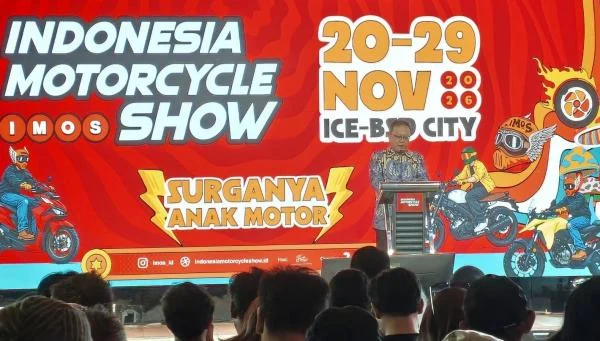
The domestic motorcycle market in Indonesia has demonstrated remarkable resilience throughout 2026, defying broader economic headwinds to record a steady upward trajectory in unit sales. According to the latest data released by the Indonesian Motorcycle Industry Association (AISI), domestic motorcycle sales reached 5,016,421 units by the end of September 2026. This figure represents a 3.7 percent increase compared to the same period in the previous year, signaling a robust recovery and sustained consumer demand for two-wheeled transportation.
As the industry moves into the final quarter of the year, AISI remains optimistic about the sector’s performance. The association has projected that total annual sales for 2026 will reach between 6.5 million and 6.7 million units. Should these projections materialize, the industry would be on track to achieve its highest annual sales volume since 2015, marking a significant milestone in the post-pandemic recovery era.
A Decade of Market Fluctuations
To understand the magnitude of this potential record, one must look at the historical context of the Indonesian automotive market. Following the peak performance observed in 2015, the industry experienced a period of relative stagnation and volatility. External factors, including the global supply chain disruptions caused by the semiconductor shortage in 2021 and 2022, as well as fluctuating inflationary pressures, kept the annual market average consistently below the 6.5 million-unit threshold.
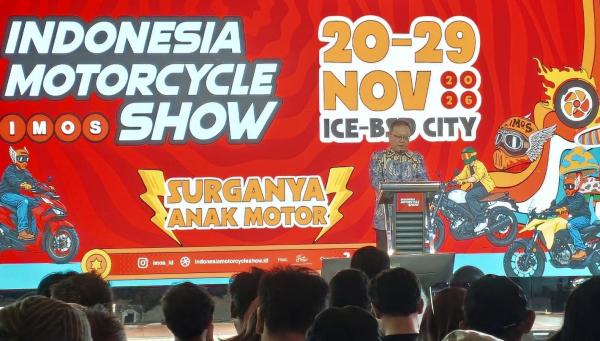
For nearly ten years, the domestic market struggled to regain the momentum lost after the mid-2010s. The 2026 figures, therefore, serve as a critical benchmark. Thomas Wijaya, Chairman of AISI, emphasized during the press conference held at the Indonesia Motorcycle Show (IMOS) in Jakarta on October 30, 2026, that crossing the 6.5 million mark would represent a structural shift in the market. "If we surpass 6.5 million units, it will be our strongest performance in nearly a decade. For the last ten years, the market average has remained below this level, so reaching this target would set a new, promising record for our industry," Wijaya stated.
The Role of IMOS 2026 as a Catalyst
The Indonesia Motorcycle Show (IMOS) 2026 has been positioned as a pivotal event to maintain this growth momentum. As the primary platform for motorcycle manufacturers to showcase their latest innovations—ranging from internal combustion engine (ICE) advancements to the growing segment of electric motorcycles (EVs)—the exhibition acts as a barometer for consumer sentiment.
The event serves more than just a promotional purpose; it is an integrated ecosystem where manufacturers, component suppliers, and financing institutions converge to stimulate demand. By facilitating direct interactions between consumers and the latest models, AISI expects the event to catalyze sales in the final quarter of 2026, effectively anchoring the foundation for a stronger market performance in 2027. The integration of modern digital sales tools and attractive financing packages presented during the show is expected to lower barriers to entry for first-time buyers and those looking to upgrade their existing vehicles.
Economic Factors Driving the Surge
The positive sales performance is attributed to several macroeconomic and microeconomic drivers. Despite global economic uncertainty, Indonesia’s domestic consumption remains a primary pillar of its GDP growth. The motorcycle industry, which serves as a barometer for the purchasing power of the middle-to-lower income demographic, is benefiting from a stable labor market and controlled inflation rates throughout the year.

Furthermore, the expansion of the "gig economy," particularly in the logistics and ride-hailing sectors, continues to drive demand for reliable, fuel-efficient motorcycles. As urban mobility requirements increase, motorcycles remain the most pragmatic and cost-effective solution for millions of Indonesians. The increase in domestic manufacturing capacity, combined with the gradual transition toward more sustainable and fuel-efficient technologies, has also provided consumers with a wider variety of choices at competitive price points.
Strategic Implications for the Automotive Industry
The potential record-breaking year has significant implications for the automotive ecosystem in Indonesia. First, it reaffirms the country’s status as one of the largest motorcycle markets globally. For international investors and multinational manufacturers, the sustained growth indicates a mature and reliable market that warrants continued investment in local production facilities and research and development.
Second, the trend highlights the shifting preferences of the Indonesian consumer. While traditional ICE motorcycles continue to dominate in terms of volume, the rising interest in electric alternatives—heavily featured at IMOS 2026—suggests that the market is beginning to pivot. The government’s push for vehicle electrification, supported by various fiscal incentives and subsidies, is slowly but surely influencing purchasing decisions. The 2026 sales data will likely serve as a baseline for future policy discussions regarding the speed and scale of the electrification transition in the transportation sector.
Analysis of Future Challenges
While the outlook is positive, the industry is not without challenges. Supply chain stability, although vastly improved since the post-pandemic period, remains a point of focus. Manufacturers are closely monitoring the prices of raw materials, particularly steel, aluminum, and battery-related minerals, which directly impact the final retail price of motorcycles.

Additionally, the interest rate environment plays a crucial role in the motorcycle market, as a large majority of transactions in Indonesia are conducted via credit or installment plans. Should interest rates remain elevated or face upward pressure due to global monetary policies, the accessibility of financing could impact sales momentum in the coming year. AISI is expected to continue its dialogue with financial regulators and institutions to ensure that consumer credit remains accessible and sustainable, thereby supporting the industry’s growth targets.
The Path Forward: 2027 and Beyond
Looking ahead, AISI is focused on leveraging the current momentum to ensure long-term stability. The association is emphasizing the importance of local content requirements (TKDN) to strengthen the domestic value chain. By increasing the utilization of locally sourced components, the industry can reduce its exposure to global currency fluctuations and logistics disruptions.
The performance in 2026 is viewed as a "proof of concept" for the industry’s resilience. As the year draws to a close, the focus will shift toward the launch of new products in early 2027 and the expansion of the charging infrastructure for electric motorcycles. The cooperation between the government and private sector players, as evidenced by the support for industry-wide events like IMOS, remains a cornerstone of the sector’s strategy.
Conclusion
In summary, the motorcycle industry in Indonesia is currently in a phase of significant rejuvenation. The achievement of over 5 million units by September 2026, with a clear path toward a potential decade-high annual record, underscores the vitality of the domestic market. With the continued support of industry associations like AISI, the strategic deployment of new technology, and a focus on maintaining consumer affordability, the industry is well-positioned to remain a critical contributor to the Indonesian economy. The upcoming final quarter results will be closely watched by analysts and stakeholders alike, as the nation prepares to potentially rewrite its automotive history in the closing weeks of 2026. The resilience shown this year not only honors the past decade of development but also provides a robust platform for the future evolution of the two-wheeled mobility sector in Southeast Asia’s largest economy.