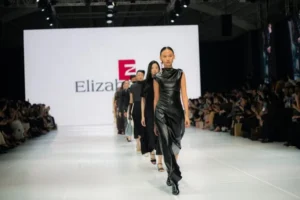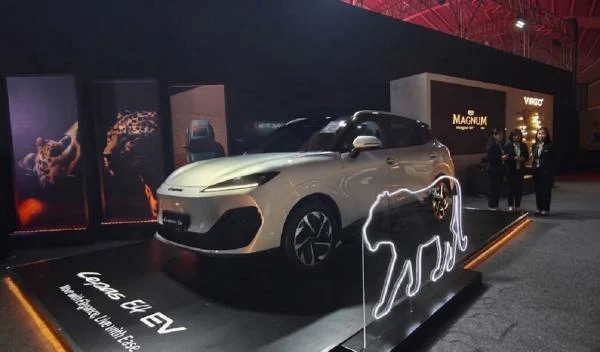
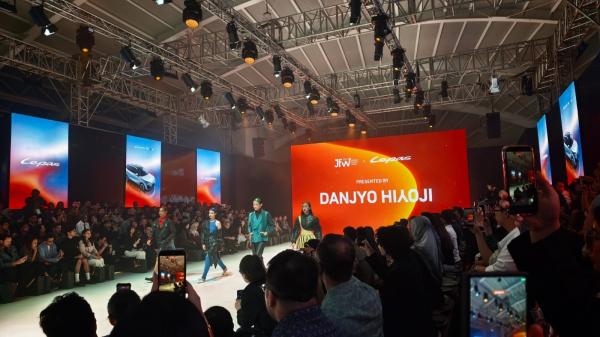
The intersection of automotive engineering and haute couture has historically been defined by sleek lines, aerodynamic precision, and the shared pursuit of luxury aesthetics. At the Jakarta Fashion Week (JFW) 2027, this synergy reached a new zenith as the Chinese automotive brand Lepas officially unveiled a strategic partnership with prominent Indonesian fashion houses Danjyo Hiyoji and Othman. This collaboration marks a significant shift in how vehicle manufacturers perceive their role within the broader lifestyle ecosystem, moving beyond traditional showrooms to engage with consumers in the heart of the creative industry.
The automotive sector has undergone a profound transformation over the last decade. Historically, vehicle design was dictated primarily by mechanical performance, fuel efficiency, and ergonomic comfort. Today, however, the industry has shifted its focus toward holistic identity. The aesthetic language of a vehicle—its exterior silhouette, the tactile quality of interior materials, the ambient lighting systems, and the digital interface—now functions as an extension of the driver’s personality. By participating in JFW 2027, Lepas is capitalizing on this trend, positioning its vehicles not merely as modes of transport, but as mobile design statements that mirror the evolving tastes of the modern consumer.
A New Strategic Vision for Automotive Branding
The presence of an automotive manufacturer at a premier fashion event like Jakarta Fashion Week is not unprecedented, but the depth of the integration at JFW 2027 signals a strategic pivot. By collaborating directly with designers like Danjyo Hiyoji and Othman, Lepas is attempting to synthesize the structural rigidity of automotive engineering with the fluid, expressive nature of textile design.
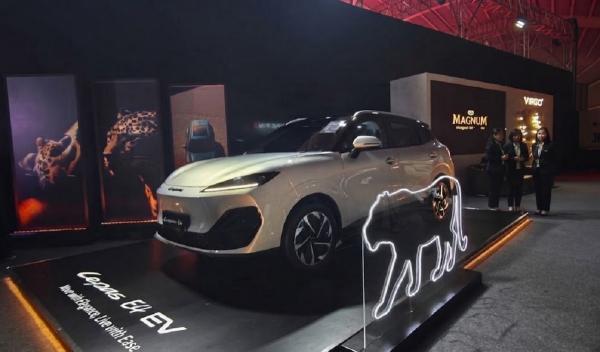
In the modern luxury market, the lines between industries are blurring. Market research indicates that high-net-worth individuals increasingly seek a unified brand experience. A consumer who values the minimalism of a contemporary vehicle is likely to seek out clothing lines that share a similar design philosophy. By bridging this gap, Lepas is positioning itself as a lifestyle curator rather than just an equipment supplier. This move allows the brand to tap into the "aspirational consumer" demographic—individuals who view their possessions as curated pieces of an overall personal brand.
The Evolution of Jakarta Fashion Week
Jakarta Fashion Week has long served as the primary barometer for the Indonesian fashion industry. Since its inception, the event has acted as a bridge between local artisanal heritage and global trends. The 2027 edition of JFW carries particular weight, as it serves as a platform for demonstrating how Indonesian creativity can intersect with global industrial innovation.
The inclusion of an international automotive player like Lepas reflects the growing prestige of the event. For Lepas, the partnership provides a unique opportunity to infiltrate the Southeast Asian market—a region currently experiencing rapid growth in electric vehicle (EV) adoption and a rising middle class with a penchant for luxury and technological novelty. By aligning with high-profile fashion designers, Lepas is effectively bypassing traditional, cold automotive marketing in favor of an emotionally resonant, culturally integrated brand image.
Official Perspectives on the Collaboration
During the showcase, Temmy Wiradjaja, Vice Country Director of Lepas Indonesia, emphasized that the decision to participate in JFW 2027 was rooted in a desire to explore the boundaries of design. "Desain selalu menjadi bagian penting dari karakter Lepas," noted Wiradjaja. "Through Jakarta Fashion Week 2027, we have the unique opportunity to transport the automotive design perspective of Lepas into a different creative space. We are witnessing firsthand how design principles—whether in vehicle chassis or textile patterns—serve as powerful mediums for human expression."

The collaboration involves a multifaceted approach. Designers Danjyo Hiyoji and Othman were tasked with conceptualizing pieces that draw inspiration from the specific design language of current Lepas models. This includes the use of metallic textures, sharp geometric cuts, and a color palette that mimics the high-gloss finishes of automotive exteriors. For the designers, the partnership offers a chance to explore new materials and construction techniques that are often borrowed from industrial design.
Market Implications and Future Trends
The automotive industry is currently facing a period of intense disruption. With the global transition toward electrification and autonomous technology, the "engine" is no longer the sole differentiator. As vehicles become more digitized and standardized in their performance, design is becoming the primary battleground for brand loyalty.
Data from recent automotive consumer sentiment surveys shows that interior aesthetic and user-interface design now rank among the top three factors influencing a vehicle purchase, alongside reliability and price. By engaging with the fashion community, Lepas is preemptively addressing this shift. The company is betting that if it can establish itself as a "fashion-forward" brand, it will foster a stronger emotional connection with consumers, thereby insulating itself against the commoditization that often plagues the automotive sector.
Furthermore, this collaboration offers a blueprint for how brands can navigate the post-pandemic retail landscape. With the rise of digital commerce, the value of physical, experiential events like fashion shows has increased. Brands must offer consumers an "experience" that justifies their presence in a physical space. By blending automotive display with runway performance, Lepas is creating an immersive environment that is highly "shareable" on social media, thus maximizing the reach of its marketing spend far beyond the physical attendees of the event.

Chronology and Context: Why Now?
The timing of this initiative aligns with broader economic shifts in Indonesia. The country has seen a steady increase in disposable income, leading to a surge in demand for premium goods. The automotive market in Indonesia is expected to reach record highs in terms of unit sales by 2028, with a significant portion of this growth coming from the premium and entry-luxury segments.
- Q1 2026: Initial discussions between Lepas corporate leadership and the JFW organizing committee.
- Q3 2026: Finalization of the design collaboration with Danjyo Hiyoji and Othman.
- October 2027: The formal unveiling of the joint design collection at Jakarta Fashion Week 2027.
- November 2027 (Anticipated): Launch of limited-edition vehicle accessories and co-branded apparel lines in retail showrooms across Southeast Asia.
This timeline reflects a deliberate, long-term strategy to build brand equity before a wider product rollout. By generating "buzz" through a high-culture medium like fashion, Lepas is creating a halo effect around its vehicles that a standard television or print advertisement could never achieve.
Broader Impact on the Creative Economy
The collaboration also highlights the potential for cross-industry cooperation to stimulate the local creative economy. When a major international brand partners with local designers, it provides the latter with access to a global platform and resources. For Danjyo Hiyoji and Othman, this is more than just a marketing gig; it is an exercise in applied design. It challenges them to rethink how clothing can be structured to reflect the "mobility" of the modern era.
Moreover, the initiative serves as a case study for other multinational corporations looking to enter the Indonesian market. Rather than imposing a top-down, standardized marketing strategy, Lepas has chosen to localize its brand identity through the lens of local fashion leaders. This localized approach is essential in a market as culturally rich and complex as Indonesia, where brand perception is deeply tied to social relevance.
Conclusion: A New Standard for Brand Identity
The intersection of Lepas and Jakarta Fashion Week 2027 is a clear indication of the future of brand marketing. In an era where consumers are bombarded with information, brands must do more than inform; they must inspire. By treating a car as a fashion accessory and a fashion show as an automotive laboratory, Lepas is effectively redefining its market position.
As the lines between tech, automotive, and fashion continue to dissolve, the brands that succeed will be those that can successfully navigate these diverse spaces. The collaboration is not merely a PR stunt; it is a fundamental acknowledgment that in the 21st century, identity is fluid, and the products we choose—be they the clothes we wear or the cars we drive—must reflect the dynamism of our lives. Whether this experimental approach will translate into long-term market share remains to be seen, but as of now, Lepas has set a compelling precedent for how an automotive brand can transcend its mechanical roots to become a true cultural icon.