Jakarta, Indonesia — In a sweeping move designed to accelerate the nation’s economic competitiveness and streamline the ease of doing business, the Indonesian government has officially overhauled the governance of foreign investments by integrating the administration of Foreign Workers (Tenaga Kerja Asing or TKA). The landmark policy consolidates cross-ministerial public services into a unified, single-entry system via the Online Single Submission (OSS) platform, shifting away from fragmented bureaucratic pathways that have historically posed hurdles for international investors.
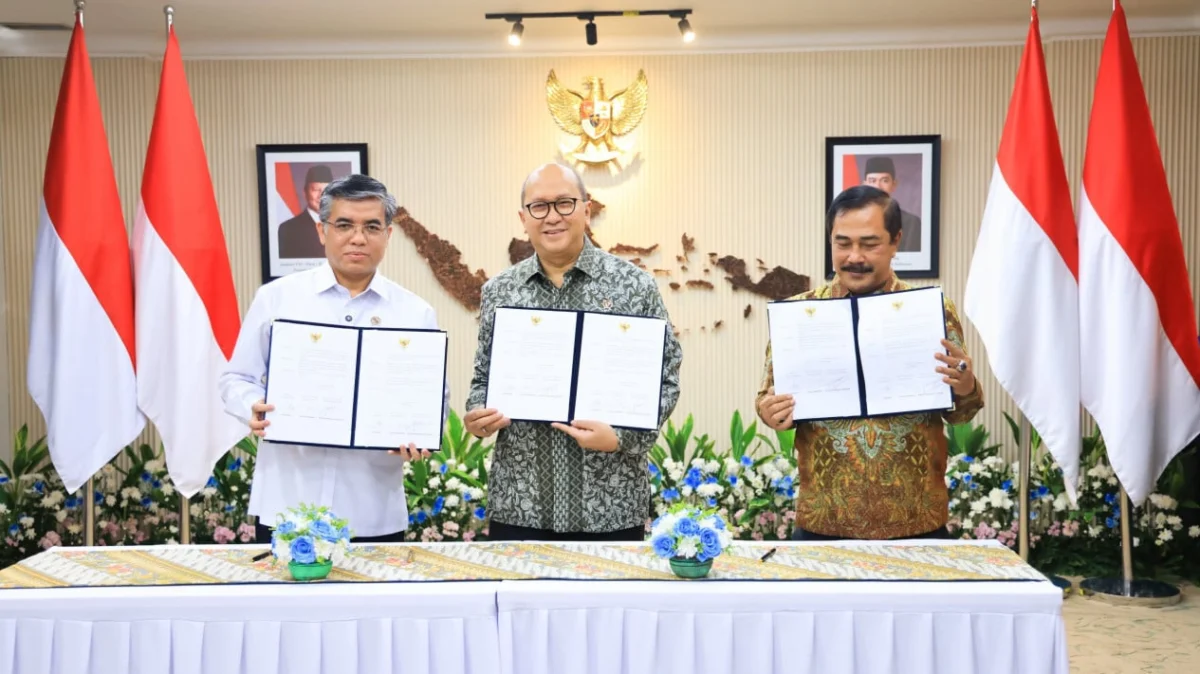
The formalization of this integrated framework took place on Wednesday, September 9, 2026, in Jakarta, marked by the ceremonial signing of a Joint Decree (Surat Keputusan Bersama or SKB) by key cabinet ministers. The initiative directly connects three vital governmental bodies: the Ministry of Manpower, the Ministry of Investment and Downstreaming (BKPM), and the Ministry of Immigration and Corrections. Through this structural synergy, the government aims to eliminate administrative redundancies, enhance transparency, and foster a more investor-friendly ecosystem while simultaneously protecting domestic labor interests.
Main Facts of the Integration and Single-Entry System
Under the newly implemented framework, the bureaucratic process for securing foreign worker permits has transitioned from a multi-agency application model to a centralized single-entry portal. Investors and corporations operating within Indonesia can now initiate and monitor TKA-related licensing exclusively through the OSS system, which is spearheaded by the Ministry of Investment and Downstreaming.
This centralized portal digitally bridges two major backend databases: the Ministry of Manpower’s SIAPKerja platform, which monitors workforce competencies, allocation, and compliance, and the Ministry of Immigration and Corrections’ All Indonesia system, which manages visas, stay permits, and regulatory compliance for expatriate personnel.
The primary objective of this integration is twofold: to deliver frictionless, highly efficient public services to the business community, and to ensure that the employment of foreign nationals is strictly aligned with specific, high-skill market demands where domestic talents are still developing. By leveraging digital transformation, the government expects to cut down processing times drastically, mitigate opportunities for administrative bottlenecks, and offer predictable timelines for corporate expansion projects across the archipelago.
Chronology and Background Context of Regulatory Reform
Efforts to reform Indonesia’s investment climate have been ongoing for years, tracing back to the introduction of the landmark Job Creation Law (Undang-Undang Cipta Kerja). The law initially laid the groundwork for the OSS system to serve as the single gateway for business licensing. However, specific operational permits—particularly those concerning expatriate workers, which historically required separate, arduous approvals from the manpower and immigration authorities—retained distinct administrative friction points.
Over successive years, business associations, foreign chambers of commerce, and domestic enterprises consistently voiced concerns regarding overlapping regulations and prolonged approval periods for bringing in specialized technical experts, engineers, and executive management required for complex industrial projects. Recognizing these persistent challenges, President Prabowo Subianto’s administration prioritized inter-ministerial coordination as a core mandate to remove structural impediments to foreign direct investment (FDI).
The culmination of these directives led to months of intensive inter-agency negotiations throughout mid-2026, ultimately resulting in the historic SKB signing on September 9, 2026. This milestone sets a new precedent for inter-institutional data sharing and administrative harmonization within the Indonesian public sector.
Official Statements and Ministerial Perspectives
Minister of Manpower Yassierli emphasized that the integration of TKA services is a critical cornerstone of the government’s broader strategy to support commercial enterprises without compromising national labor standards. Speaking shortly after the SKB signing, he underscored that bureaucratic reform must translate into tangible operational ease rather than compounding administrative layers.
"This integration of TKA services is part of the government’s ongoing effort to provide maximum convenience for the business community. The process must be simpler, faster, and definite. We must ensure that integration does not add new procedural stages, but instead delivers superior, frictionless service," Yassierli stated in an official release on Thursday, September 10, 2026.
Yassierli further elaborated on the strategic necessity of foreign workers within Indonesia’s dynamic economic landscape, particularly within rapidly developing sectors such as downstream mineral processing, advanced manufacturing, and high-tech infrastructure. He noted that TKA deployment is not merely about filling positions, but rather about facilitating knowledge transfer, driving technological adoption, and elevating the skills of the domestic workforce through structured mentoring and expertise exchange, which will ultimately strengthen local employment absorption in the long run.
The Minister also praised the seamless collaboration demonstrated by the Ministry of Investment and Downstreaming and the Ministry of Immigration and Corrections. He reiterated that modern public administration requires breaking down bureaucratic silos.
"Good public service demands active collaboration. This integration proves that ministries are no longer operating in isolation, but are working hand-in-hand to present a more unified, simplified government service," Yassierli added.
Echoing this sentiment, Minister of Investment and Downstreaming and Head of the Investment Coordinating Board (BKPM) Rosan P. Roeslani highlighted that the tripartite synergy reflects the practical execution of presidential directives focused on unified state governance and cross-sectoral institutional alignment.
"This collaboration must proceed rapidly, effectively, and remain fully compliant with prevailing laws and regulations, thereby delivering a tangible positive impact on national economic growth, job creation, and societal welfare," Rosan asserted.
Meanwhile, Minister of Immigration and Corrections Agus Andrianto pointed out that institutional collaboration between immigration authorities, manpower regulators, and investment bodies has deep foundations, noting that harmonious cooperation is vital for welcoming legitimate global investors and high-value expatriate professionals into the country safely and efficiently.
Broader Economic Impact and Strategic Implications
The implementation of the integrated OSS single-entry system for foreign workers carries profound implications for Indonesia’s macroeconomic trajectory. Economists and market analysts have long argued that reducing the cost of doing business—often referred to as logistic and administrative friction—is essential for capturing high-value global supply chains relocating out of traditional manufacturing hubs in East Asia.
By providing a predictable, transparent, and digitally trackable framework for securing specialized talent, Indonesia signals to multinational corporations that its regulatory environment is maturing and responsive to global business standards. This is particularly crucial for capital-intensive sectors governed by the nation’s downstreaming agenda, such as nickel processing, electric vehicle (EV) supply chain development, semiconductor manufacturing, and green energy infrastructure, which often require specialized foreign engineering oversight during their initial setup phases.
Furthermore, the integration minimizes human discretion in the approval process, thereby curbing potential compliance irregularities and enhancing governance standards. The digital synchronization between SIAPKerja and All Indonesia ensures that immigration status and manpower plan approvals (Rencana Penggunaan Tenaga Kerja Asing or RPTKA) are cross-verified in real-time, reducing the risk of administrative oversights or legal non-compliance by employers.
Looking Forward: Implementation and Compliance Monitoring
While the simplification of licensing procedures is widely welcomed by investors, labor experts emphasize the parallel need for robust post-permit monitoring. The government has stressed that streamlined entry must not equate to lax oversight. Local manpower offices and immigration inspectorates will maintain joint surveillance protocols to ensure that companies strictly adhere to their approved manpower plans, actively execute mandatory knowledge-transfer programs, and prioritize domestic hiring wherever qualified national candidates are available.
As the newly minted SKB takes full operational effect following its September 2026 rollout, the business community will closely monitor the technical performance of the unified OSS portal. Success will ultimately be measured by sustained reductions in processing times, heightened investment realization figures, and the balanced growth of a globally competitive yet domestically empowered Indonesian workforce.