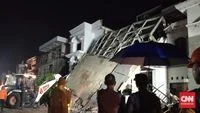
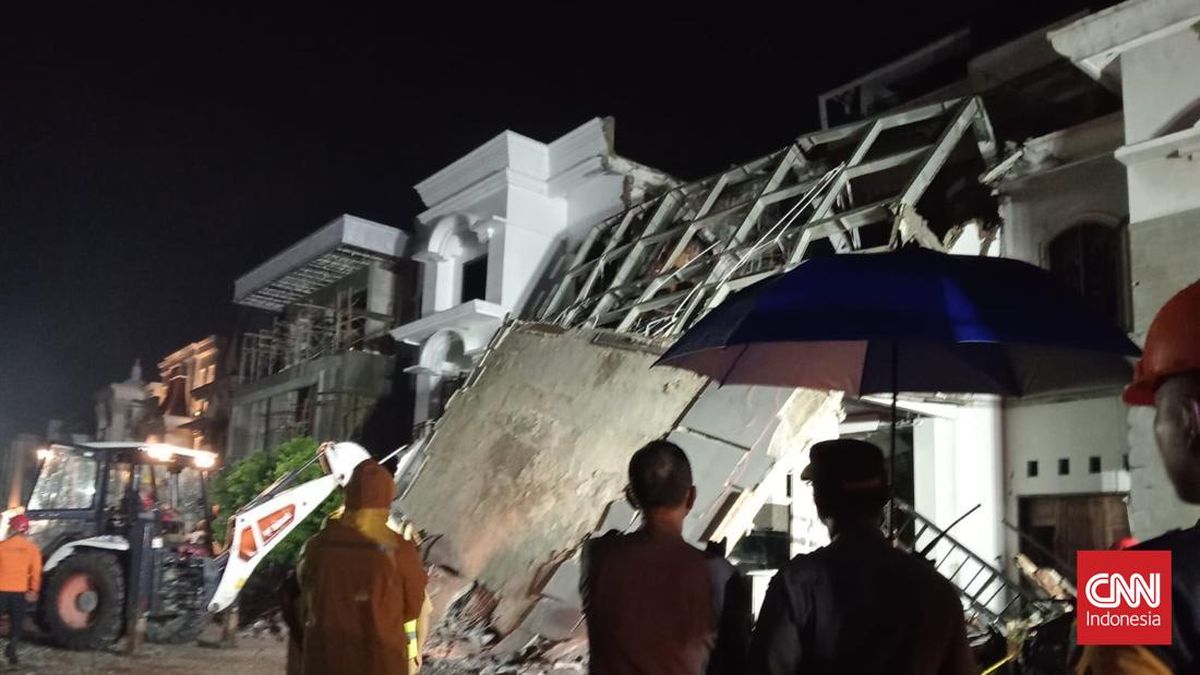
A catastrophic explosion ripped through the affluent Grand Polonia housing complex in Medan Polonia District, Medan City, on Monday, July 20, causing extensive damage to at least seven residential units and triggering an urgent search and rescue operation for several individuals believed to be trapped amidst the debris. The powerful blast, which occurred within a three-story luxury residence identified as House Number 3B, decimated the structure at its epicenter and sent shockwaves across the neighborhood, shattering windows and causing structural compromise to adjacent properties. The sheer force of the explosion was evident from the widespread scattering of building materials, including concrete fragments, twisted metal, and shards of glass, which blanketed the complex roads and struck nearby homes and vehicles.
The Immediate Aftermath and Scene of Devastation
The tranquility of the Grand Polonia residential area was abruptly shattered by the thunderous explosion, which residents described as an earth-shattering roar. Initial reports from Kapolrestabes Medan, Kombes Jean Calvijn Simanjuntak, confirmed that the impact was substantial, with one house, the epicenter of the blast, suffering catastrophic damage, effectively collapsing into a pile of rubble. "Total rumah yang terdampak ada enam sampai tujuh rumah. Rumah-rumah tersebut terdampak karena posisinya berada tepat di depan rumah yang roboh," Simanjuntak stated from the scene, indicating that between six and seven homes were directly affected, primarily due to their proximity to the severely damaged central property.
Eyewitness accounts and police observations painted a grim picture of the immediate aftermath. The three-story luxury home at Number 3B, believed to be the source, was reduced to a skeletal remains. Its balcony had completely caved in, and a significant portion of its front facade was obliterated, exposing the internal structure to the elements. The devastating force of the blast was not confined to the immediate vicinity of House 3B. Material projectiles, some weighing several kilograms, were propelled considerable distances, impacting neighboring houses and vehicles. At least three cars parked in front of the doomed residence bore the brunt of the falling debris, sustaining severe damage from concrete slabs and metal fragments. The ground was littered with a dangerous assortment of shattered glass, twisted metal, and pulverised building materials, transforming the once pristine residential street into a hazardous disaster zone. Emergency services, including the local police force and fire department, were swiftly deployed to secure the area, assess the damage, and initiate critical search and rescue efforts. The air was thick with dust and the acrid smell of burnt materials, adding to the palpable tension and anxiety among the gathered residents.
Unfolding Tragedy: The Rescue Operation and Casualties
The human cost of the explosion quickly became the central focus of the emergency response. Kombes Jean Calvijn Simanjuntak revealed that at the time of the incident, six individuals were believed to be inside the luxury home. Rapid deployment of rescue teams led to the fortunate discovery of two survivors. A father was successfully evacuated from the site, while a toddler, identified as one of the residents, was found and immediately rushed to a nearby hospital for medical attention, their condition yet to be fully disclosed but thankfully stable enough for transport.
However, the relief of finding survivors was quickly overshadowed by the harrowing reality that four other individuals remained unaccounted for and were presumed trapped beneath the colossal volume of rubble. These four individuals were identified as the wife of the homeowner and three domestic workers (ART – Asisten Rumah Tangga) employed at the residence. The police chief conveyed the gravity of the situation, expressing hope and urging prayers for the success of the ongoing, arduous rescue operation. "Kemudian empat lagi, kita berdoa bersama semoga evakuasi yang kita laksanakan ini membuahkan hasil. Keempat orang ini antara lain satu orang istri pemilik rumah dan tiga orang lainnya ART (asisten rumah tangga). Kami mohon doanya," Simanjuntak appealed, underscoring the desperate race against time to locate the missing.
The search and rescue teams faced immense challenges. The structural integrity of the remaining parts of House 3B and adjacent buildings was compromised, posing significant risks to rescuers. Specialized equipment, including heavy lifting gear and sensitive listening devices, would likely be required to navigate the precarious environment and detect any signs of life. The sheer volume and density of the collapsed concrete and debris made manual searching a slow and methodical process, requiring meticulous care to avoid further injury to potential survivors or rescuers. The initial hours post-explosion are critical for survival in such incidents, making every minute count in the desperate effort to extricate those trapped.
Official Response and Investigation
The response from law enforcement and emergency services was immediate and coordinated. Kapolrestabes Medan Kombes Jean Calvijn Simanjuntak took charge of the on-site command, providing regular updates to the media and overseeing the complex rescue operation. His statements were crucial in establishing the initial facts: the number of affected homes, the suspected origin of the blast, and the status of the victims. The police quickly secured the perimeter of the Grand Polonia complex, restricting access to non-essential personnel to ensure public safety and facilitate rescue efforts. Forensic teams were mobilized to begin the painstaking process of investigating the cause of the explosion. While initial statements did not pinpoint a specific cause, the focus of the investigation would invariably include potential gas leaks, electrical malfunctions, or the storage of volatile substances within the property.
The investigation into the precise cause of the explosion is expected to be thorough and prolonged. Police investigators, alongside experts from relevant agencies such as the local fire department and potentially forensic engineers, will meticulously comb through the wreckage. This involves collecting samples, analyzing structural damage patterns, and interviewing witnesses and survivors. The high-profile nature of the Grand Polonia complex, known for its upscale residences, adds an additional layer of scrutiny to the investigation. The authorities will also likely review building permits, inspection records, and any previous complaints related to the property’s infrastructure or utility services. The primary objective is not only to ascertain what triggered the blast but also to prevent similar tragedies in the future through improved safety protocols and enforcement.
A Community Shaken: Broader Impacts
The explosion had a profound and immediate impact on the Grand Polonia community. Residents living in close proximity to the blast site were evacuated or advised to remain indoors, their homes potentially unsafe due to structural damage or the risk of further collapse. The psychological trauma for those who witnessed the event or whose homes were damaged cannot be overstated. The suddenness and destructive power of the explosion undoubtedly instilled fear and insecurity among the residents. Many would be grappling with temporary displacement, the loss of property, and the emotional distress of living through such a terrifying event. Community leaders and local authorities would need to establish support systems, including temporary shelters, psychological counseling, and assistance for property damage claims.
Beyond the immediate physical damage, the incident raised broader concerns about safety standards in residential areas, particularly in modern, multi-story homes that often incorporate complex utility systems. While the cause is still under investigation, the event serves as a stark reminder of the potential hazards associated with gas installations, electrical wiring, and the storage of various household chemicals. It may prompt a review of safety regulations and inspection protocols for luxury homes, where the complexity of design and construction can sometimes mask underlying vulnerabilities. The incident also highlights the critical importance of public awareness regarding emergency procedures and the identification of potential household hazards.
The Search for Answers: Forensic Examination and Potential Causes
Determining the definitive cause of such a powerful explosion is a complex undertaking that requires specialized expertise. Forensic investigators will systematically examine the blast site for evidence. This includes identifying the point of origin, analyzing the type of damage (e.g., outward vs. inward force, charring patterns), and collecting samples for laboratory analysis. Common causes of residential explosions often include:
- Natural Gas Leaks: Malfunctioning gas appliances, damaged pipelines, or improper installations can lead to gas accumulation in enclosed spaces. A small spark from an electrical switch, static electricity, or even a cell phone can ignite the accumulated gas, resulting in a devastating explosion. Given the severity of the blast, a significant accumulation of highly flammable gas would be a primary suspect.
- LPG (Liquefied Petroleum Gas) Cylinder Explosions: For homes that use LPG cylinders, faulty regulators, leaky hoses, or damaged cylinders can also lead to gas leaks and subsequent explosions.
- Electrical Faults: While less common for such a widespread, powerful explosion, severe electrical short circuits, especially in conjunction with other flammable materials, could contribute to a fire that escalates into an explosion if confined.
- Chemical Storage: The improper storage of volatile chemicals, either for household use, hobbies, or illicit activities, can pose a significant risk. Certain chemicals, when mixed or exposed to heat/ignition sources, can react explosively.
- Structural Failure (less likely for an initial explosion): While structural failures can occur, they typically result in collapse rather than an initial explosion, unless a structural failure leads to a rupture of a gas line, which then ignites.
The forensic team will focus on eliminating possibilities and gathering conclusive evidence. This often involves the use of specialized equipment to detect traces of accelerants or gases, as well as structural analysis to understand the dynamics of the blast. Interviews with survivors, neighbors, and utility providers will also be crucial in piecing together the events leading up to the explosion.
Safety Protocols and Future Prevention
The Grand Polonia explosion serves as a somber reminder of the critical importance of stringent safety protocols in residential construction and maintenance. Building codes and regulations are designed to ensure the structural integrity and safety of homes, but their effective implementation and regular enforcement are paramount. This incident will likely prompt a re-evaluation of current safety standards, particularly concerning gas and electrical installations in multi-story luxury residences. Regular inspections of gas lines, electrical wiring, and plumbing systems by certified professionals are crucial preventive measures that can identify potential hazards before they escalate into catastrophic events.
Furthermore, public awareness campaigns on household safety are vital. Residents should be educated on how to recognize the signs of a gas leak (e.g., sulfur smell, hissing sound), what to do in such situations (e.g., evacuate, call emergency services, do not use electrical switches), and the safe storage of flammable materials. The proper installation and maintenance of smoke detectors and carbon monoxide detectors can also provide early warnings for certain types of incidents, potentially saving lives. The collective effort of homeowners, builders, utility companies, and regulatory bodies is essential in fostering a culture of safety to prevent future tragedies.
Support and Recovery Efforts
In the wake of such a devastating event, comprehensive support and recovery efforts will be critical for the affected families and the broader community. This includes not only immediate emergency aid but also long-term assistance for rebuilding lives and homes. Local government agencies, non-governmental organizations, and community groups will play a crucial role in providing financial assistance, temporary housing, and emotional support to those displaced or traumatized by the explosion. The process of assessing damage, processing insurance claims, and eventually rebuilding the affected properties will be a lengthy and complex undertaking, requiring sustained support and coordination.
The Grand Polonia explosion stands as a stark and tragic event in Medan’s recent history, highlighting the fragility of even the most robust structures in the face of unforeseen disaster. As search and rescue efforts continue with fervent hope, the focus remains on the well-being of the trapped individuals and the thorough investigation into the cause, aiming to bring closure to the affected families and prevent any recurrence of such a devastating incident. The resilience of the community and the dedication of emergency responders will be tested in the days and weeks to come, as they collectively navigate the path towards recovery and rebuilding.