The landscape of Indonesian Islamic boarding schools, or pesantren, is undergoing a pivotal transformation as the government moves to integrate digital literacy into the traditional curriculum. In a landmark initiative aimed at bridging the gap between religious education and the modern digital economy, 200 santri from 22 pesantren across the Solo Raya region have been enrolled in the Santri Matic (Santri Melek Teknologi) program. Launched at the historic Pondok Pesantren Al Muayyad in Solo, the program represents a strategic collaboration between the Ministry of Religious Affairs (Kemenag), the Ministry of Creative Economy/Creative Economy Agency (Kemenekraf/Bekraf), and the Surakarta branch of the Indonesian Islamic Economic Society (MES).
The program serves as a direct response to the increasing digitalization of the Indonesian economy, aiming to equip students with practical skills in video content creation and e-commerce management. As the nation pivots toward a digital-first economy, this initiative seeks to ensure that the santri demographic—a vital pillar of Indonesia’s social and educational fabric—is not left behind by the march of progress.
The Digital Imperative for Indonesia’s Pesantren
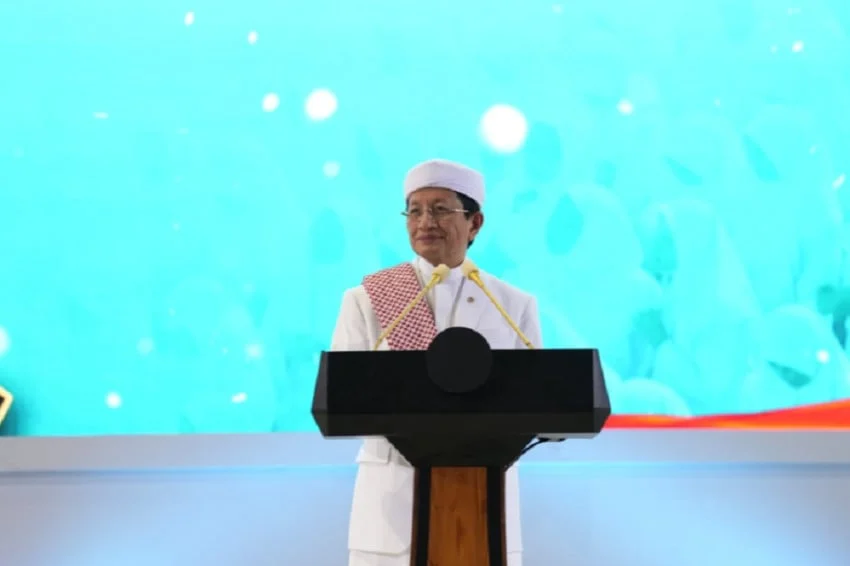
Minister of Religious Affairs Nasaruddin Umar, speaking at the program’s launch on Saturday, October 31, 2026, underscored the necessity of this shift. He articulated a clear vision: the santri must move beyond their traditional roles as passive consumers of digital content. Instead, they must emerge as active participants in the technological ecosystem, leveraging tools ranging from artificial intelligence to e-commerce platforms and social media analytics.
"We cannot allow the santri to remain mere spectators or passive consumers in the face of rapid technological disruption," Minister Nasaruddin stated. His comments reflect a growing concern within government circles that the digital divide could exacerbate social and economic inequalities. By integrating digital skills into the boarding school environment, the Ministry aims to empower students to monetize their creative outputs and participate in the burgeoning Islamic digital economy, which has significant growth potential within Indonesia’s vast consumer market.
Chronology of the Santri Matic Initiative
The Santri Matic program is the culmination of months of coordination between state agencies and the private sector. The planning phase, which began in early 2026, identified the Solo Raya region as a primary hub for this pilot project due to its dense concentration of influential pesantren and its vibrant local creative economy.
The timeline for the implementation of the program follows a structured three-phase approach:
- Curriculum Design and Stakeholder Engagement (Q1-Q2 2026): Coordination between the Ministry of Religious Affairs and the Ministry of Creative Economy to establish a syllabus that balances traditional Islamic study with practical digital marketing and content production skills.
- Strategic Partnership Selection (Q3 2026): Partnering with major e-commerce players, such as Shopee Indonesia, to provide hands-on training and mentorship. This step was crucial to ensure that the students were trained on industry-standard platforms.
- Pilot Launch and Training (October 2026): The formal inauguration at Pondok Pesantren Al Muayyad, featuring an intensive curriculum covering digital content creation, marketplace store management, and the ethical use of artificial intelligence.
Data and Digital Economic Context
The urgency of this initiative is backed by compelling economic data. According to the e-Conomy SEA report, Indonesia’s digital economy is projected to reach a Gross Merchandise Value (GMV) of hundreds of billions of dollars by the end of the decade. However, the benefits of this growth have not been evenly distributed across all demographics.
Rural and semi-urban areas, where many pesantren are located, often face limited access to advanced digital training. By providing these 200 students with direct instruction on how to operate in a digital marketplace, the government is essentially creating a blueprint for the "digitization of the pesantren economy." Furthermore, the integration of artificial intelligence training suggests a forward-thinking approach, recognizing that AI will soon be an essential tool for content creation, customer service, and market analysis in small-to-medium enterprises (SMEs).
Expert Perspectives and Stakeholder Synergy
The involvement of Shopee Indonesia as a training partner highlights the role of the private sector in upskilling Indonesia’s youth. By facilitating direct access to marketplace tools, the program allows santri to understand the complexities of logistics, digital payments, and consumer behavior.
Industry analysts observe that this collaboration is mutually beneficial. For the pesantren, it provides a pathway for financial independence and the promotion of their own products—such as handicrafts, agricultural goods, or educational materials—to a national audience. For the private sector, it provides a pipeline of tech-literate, ethical, and disciplined young entrepreneurs who are deeply embedded in their communities.
The Surakarta chapter of the Indonesian Islamic Economic Society (MES) has played a critical role in localizing this initiative. Their involvement ensures that the digital business practices taught to the students remain consistent with Sharia principles, fostering an environment where digital entrepreneurship and religious values coexist seamlessly.
Broader Implications for the Future of Pesantren
The Santri Matic program is not merely a short-term training event; it is a signal of the government’s intent to modernize the institutional role of the pesantren. For decades, the boarding schools have been the bastions of traditional Islamic scholarship, focusing on the study of the "Kitab Kuning" (yellow books). While this remains the bedrock of their identity, the current administration is making it clear that religious literacy and digital literacy are not mutually exclusive.
The implications for the broader Indonesian economy are significant. With millions of students currently enrolled in thousands of pesantren nationwide, the potential for scaling this program is immense. If successful, the Santri Matic model could serve as a template for other vocational training programs across the country, effectively turning these religious institutions into hubs for rural economic development.
However, challenges remain. Scaling such a program requires robust digital infrastructure, including reliable internet access and hardware, in regions that may still struggle with connectivity. Furthermore, the sustainability of the program depends on the ability of the pesantren to maintain their digital infrastructure after the initial government support concludes.
Analyzing the Path Forward
The government’s focus on "digital sovereignty" is evident in its rhetoric regarding the santri. By teaching students to create content rather than just consume it, the state is effectively fostering a generation of digital leaders who can project their values and perspectives into the global digital space. This approach also helps in countering negative or misinformed narratives by providing the younger generation of Islamic scholars with the tools to produce high-quality, authentic digital content.
As the first batch of 200 students completes their training, the Ministry of Religious Affairs is expected to monitor their progress closely. Success metrics will likely include the number of active online stores established by the participants, the reach of their digital content, and their ability to sustain their businesses beyond the pilot phase.
In conclusion, the Santri Matic program represents a critical intersection of tradition and modernity. By equipping the next generation of Islamic leaders with the tools of the 21st century, Indonesia is investing in a future where religious tradition and technological innovation act as complementary forces. The success of this initiative in Solo Raya could well determine the trajectory of digital education policy in Indonesia’s vast network of Islamic boarding schools for years to come. As Minister Nasaruddin Umar noted, the era of passive observation is over; the era of digital participation has begun.