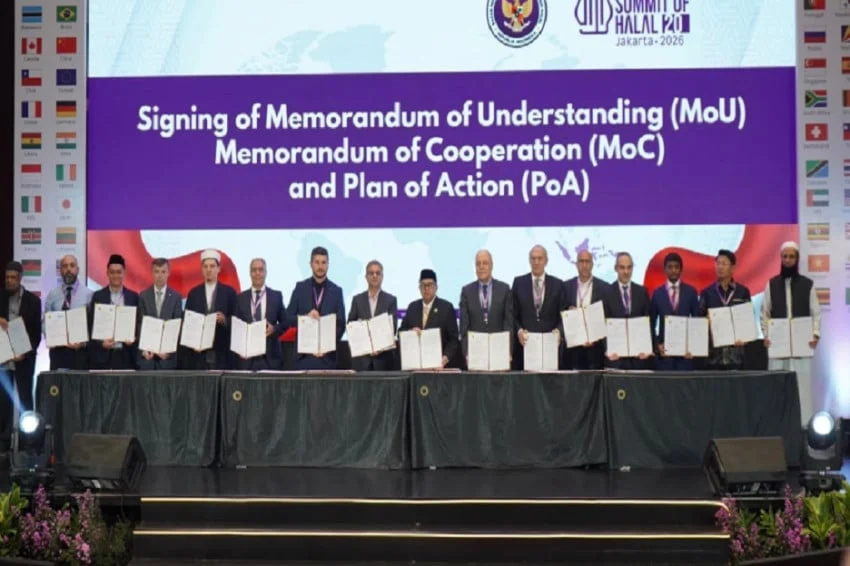
JAKARTA – The inaugural day of the 5th Summit of Halal 20 (H20) concluded with a significant milestone, as stakeholders finalized 39 strategic cooperation agreements aimed at fortifying the international and domestic halal product assurance ecosystem. This high-level summit, which convened representatives from 48 nations, serves as a pivotal platform for harmonizing global standards and fostering cross-border collaboration in the rapidly expanding multi-trillion-dollar halal economy.
The agreements, signed on Friday, September 18, 2026, comprise a diverse array of institutional commitments: 15 Mutual Recognition Agreements (MRA), 4 Memorandums of Understanding (MoU), 19 Cooperation Agreements (PKS), and one overarching Memorandum of Understanding between the Halal Product Assurance Organizing Agency (BPJPH) and its primary strategic partners. These pacts are designed to bridge regulatory gaps between different nations, simplify certification processes, and ensure that halal-certified products can circulate seamlessly across international borders.
The Strategic Importance of the H20 Summit
The Halal 20 (H20) summit has evolved from its inception into a cornerstone event for the global Islamic economy. As consumer awareness regarding halal integrity grows—not only among Muslim-majority populations but also in secular and non-Muslim markets—the need for a unified, transparent, and rigorous standard has become paramount.
The primary objective of the 5th iteration of the summit is the creation of a "Global Halal Hub." By integrating the various national certification bodies into a cohesive network, BPJPH aims to minimize technical barriers to trade. The 15 MRAs signed during the first day are particularly critical, as they represent formal recognition between countries regarding the validity of each other’s halal certification systems. This effectively reduces the burden on exporters who previously had to navigate redundant certification processes for every market they entered.
A Chronology of Collaboration
The momentum leading up to this event has been years in the making. Since the establishment of the H20 forum, BPJPH has consistently pursued a strategy of "aggressive diplomacy" to position Indonesia as a global leader in halal standard-setting.
- Early 2023–2024: BPJPH initiated bilateral talks with various national accreditation bodies to lay the groundwork for mutual recognition. During this period, the agency focused on aligning technical standards for slaughtering, processing, and logistics.
- Early 2026: The preparatory phase for the 5th H20 summit began, with a focus on digital integration. The agency developed a blockchain-based verification system to track the authenticity of certificates globally.
- September 17, 2026: Pre-summit technical meetings were held to finalize the draft agreements for the 48 participating nations.
- September 18, 2026: The official commencement of the 5th Summit of Halal 20, resulting in the signing of the 39 strategic agreements.
This timeline reflects a deliberate shift from policy discussion to practical implementation, moving the global halal industry toward a more digitized and transparent operational framework.
Strengthening Human Capital and Regulatory Integration
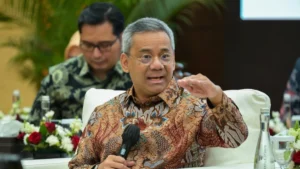
Beyond the technical agreements, a significant portion of the cooperation focuses on human resource development. The 19 Cooperation Agreements (PKS) prioritize the training of auditors, inspectors, and industry consultants. According to Abd Syakur, the Deputy for Partnership and Halal Standardization at BPJPH, the summit serves as an incubator for professional excellence.
"The cooperation generated at this H20 summit demonstrates that strengthening the halal ecosystem requires collaboration across borders and sectors," said Syakur. "Through MRAs, MoUs, and human resource capacity building, BPJPH is consistently building a network that supports the realization of a halal product assurance system that is robust, credible, and recognized globally."
The training initiatives are expected to create a standardized "Global Halal Auditor" certification, ensuring that whether an audit takes place in Indonesia, Brazil, or Australia, the methodology and rigor remain consistent. This standardization is vital to maintaining consumer trust, which is the bedrock of the halal industry.
Fact-Based Analysis: The Economic Implications
The global halal market is currently valued at several trillion dollars, encompassing sectors beyond just food and beverage, including pharmaceuticals, cosmetics, and modest fashion. The implementation of these 39 agreements is projected to have several tangible impacts on the global economy:
- Reduction in Trade Costs: For Small and Medium Enterprises (SMEs), the cost of multiple halal certifications has historically been a barrier to entry for international markets. By establishing MRAs, these businesses can leverage a single certificate for multiple regions, significantly reducing operational overhead.
- Increased Market Access: As certification becomes more portable, Indonesian products—particularly processed foods and agricultural commodities—will face fewer regulatory hurdles in the Middle Eastern and European markets.
- Enhanced Supply Chain Integrity: The agreements involve a commitment to information sharing regarding non-compliant products. This creates a "blacklist" or "alert" system, preventing fraudulent or incorrectly certified goods from entering the global supply chain.
- Institutional Credibility: By involving 48 countries, the H20 forum is effectively creating a de facto international standard. This reduces the fragmentation that has plagued the industry for decades, where different countries utilized vastly different interpretations of halal requirements.
Official Responses and Future Outlook
The international delegation at the summit expressed optimism regarding the progress made. Representatives from participating nations emphasized that while cultural and legal differences exist, the core tenets of halal production—cleanliness, safety, and ethical sourcing—are universal values that transcend borders.
Industry analysts note that the success of these agreements will ultimately depend on the enforcement mechanisms adopted by individual member nations. While the H20 provides the framework, the onus remains on national bodies to integrate these agreements into their domestic laws.
Looking forward, BPJPH has indicated that the next phase of its strategy will involve the full digitization of the halal supply chain. This will include a global, publicly accessible database where any consumer can verify the status of a halal certificate by scanning a QR code on a product label. Such a move would represent the final frontier in ensuring transparency in the modern halal economy.
Challenges and the Path Ahead
Despite the optimism, the road to a fully integrated global halal ecosystem is not without obstacles. Variations in domestic legislation, particularly regarding the handling of animal products and the use of modern biotechnological additives in food, remain points of contention. Some nations maintain stricter interpretations of halal, which may conflict with the more flexible, science-based approaches favored by others.
Furthermore, the rapid pace of technological change in food production—such as lab-grown meats and plant-based protein alternatives—presents new challenges for halal certification bodies. The H20 summit has begun addressing these issues, with working groups dedicated to establishing guidelines for these emerging technologies.
As the 5th Summit of Halal 20 continues, the focus will shift from the signing of agreements to the logistics of implementation. The international community will be watching closely to see how effectively these 39 agreements are translated into tangible improvements for trade and consumer protection.
For Indonesia, the success of this summit reinforces its position as a global leader in the Islamic economy. By hosting the H20 and spearheading the move toward global harmonization, the nation is not only protecting its own consumers but also setting the standard for a global industry that is increasingly characterized by international cooperation and rigorous quality control.
The outcomes of this summit mark a definitive step toward a future where "Halal" is not merely a local label, but a globally recognized seal of quality, integrity, and safety. As delegates continue their deliberations, the momentum generated by these 39 agreements serves as a testament to the power of multilateral diplomacy in addressing the complex needs of the global halal market.