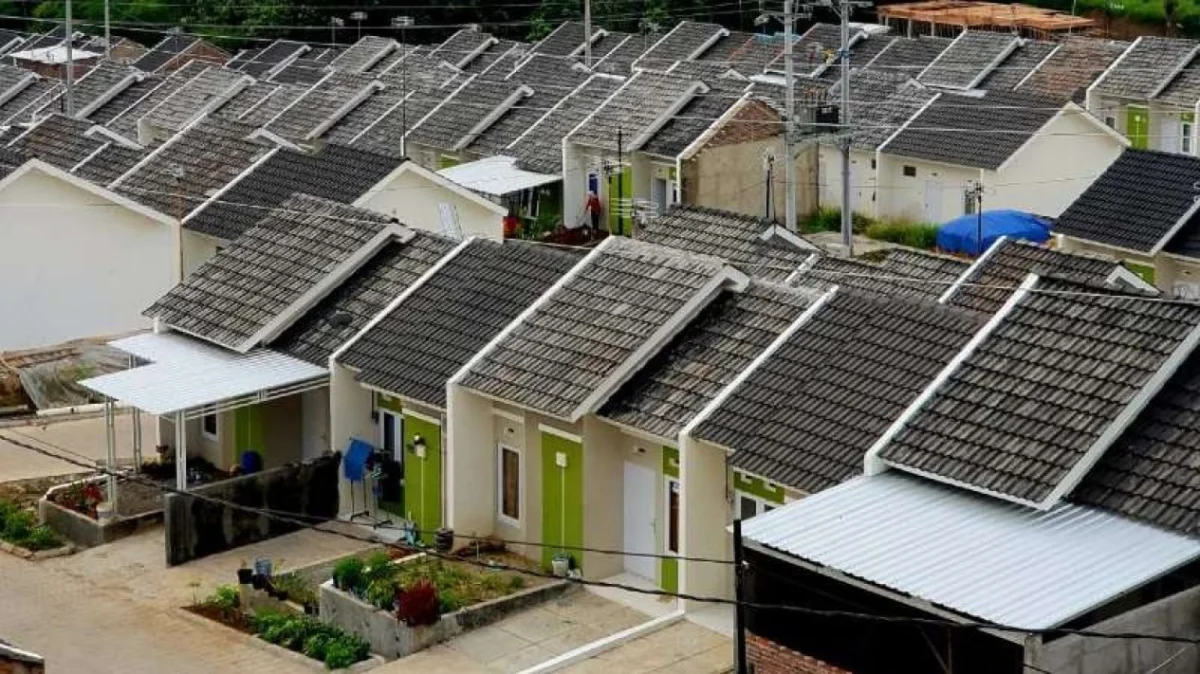
Jakarta – The Indonesian property sector is facing renewed scrutiny regarding consumer protection, ethical governance, and corporate accountability. Industry stakeholders, legal experts, and consumer protection advocates are strongly urging property developers across the country to exercise absolute transparency with their buyers. This call to action has been amplified by an escalating dispute involving hundreds of homebuyers and investors who purchased units in the Alfarez Residence 5 and Tahfidz Land housing projects, located in Bandung, West Java.
For approximately six years, purchasers of these developments have maintained their financial commitments under the assumption that their future homes and investments were progressing as marketed. However, instead of receiving keys to completed properties, buyers report that the project sites remain largely undeveloped, characterized primarily by vacant land. The widening chasm between aggressive marketing promises and actual physical progress has ignited widespread frustration, forcing affected consumers to organize, demand answers, and appeal to regulatory authorities for intervention.
The situation underscores a broader systemic vulnerability within the Indonesian real estate market, particularly concerning pre-selling practices, land acquisition legality, and the oversight of projects utilizing alternative marketing concepts, such as sharia-compliant housing. As public scrutiny intensifies, industry observers emphasize that developers must fundamentally reform their operational transparency to restore dwindling consumer confidence.
Chronology of a Stalled Development: Six Years of Waiting and Broken Promises
The genesis of the grievance traces back roughly six years when marketing campaigns for Alfarez Residence 5 and Tahfidz Land began aggressively targeting buyers in Bandung and surrounding urban centers. Utilizing attractive digital advertising, brochures, and promotional events, the developers pitched the projects as ideal residential environments, often emphasizing serene locations, strategic access, and, notably, a sharia-compliant financial and operational framework free from conventional bank interest.
Attracted by these promises, numerous families, working professionals, and individual investors allocated significant portions of their savings to secure housing units and land parcels. Contracts were signed, and installment payments were steadily fulfilled in accordance with the agreements. In the initial phases, communication channels between the buyers and the developer’s management team remained open, with representatives offering standard assurances regarding administrative processing and preliminary site preparations.
However, as years elapsed, the anticipated milestones—such as land clearing, infrastructure installation, foundation laying, and vertical construction—failed to materialize. According to consumer testimonies, periodic visits to the designated project sites revealed little to no structural progress. The locations largely remained unimproved land plots, sharply contradicting the architectural renderings and delivery timelines presented during the sales phase.
Frustration reached a critical juncture when attempts by buyers to seek clarification from the management encountered severe obstacles. Over time, the primary communication channels, including designated customer service telephone lines, official email addresses, and active social media portals managed by the developer, reportedly became inactive or unresponsive. This sudden digital blackout left buyers isolated, unable to verify the status of their funds or obtain official explanations for the multi-year stagnation, ultimately prompting collective action and public disclosure of the grievances.
Voices from the Ground: Consumer Demands for Accountability and Transparency
The human toll of the delayed projects is reflected in the statements of affected buyers who have invested both capital and emotional energy into securing a home. Anggara, one of the prominent consumer representatives speaking on behalf of the aggrieved purchasers, articulated the collective sentiment of the group during statements released in mid-September 2026.
"We are not looking for trouble. We want a resolution. After waiting for years, consumers need certainty, not mere promises," Anggara stated, emphasizing that the buyers have exhausted their patience following years of evasive responses and unfulfilled timelines.
The core demands articulated by the consumer coalition focus on several non-negotiable pillars of accountability. First and foremost, buyers are demanding a comprehensive accounting of the physical progress of Alfarez Residence 5 and Tahfidz Land. They require a realistic, legally binding schedule for project completion, backed by penalization clauses for further delays.
Secondly, the demand for legal transparency is paramount. Consumers have formally requested full disclosure regarding the status of the land titles associated with the projects. Specifically, buyers want proof that the land is legally owned or secured by the developer, free from third-party encumbrances, overlapping ownership claims, or legal disputes that could jeopardize the issuance of individual property certificates (Sertifikat Hak Milik or SHM / Sertifikat Hak Guna Bangunan or SHGB). Furthermore, they demand to see all mandatory local government permits, including site plans, environmental impact assessments (AMDAL or UKL-UPL), and building approval documents (Persetujuan Bangunan Gedung or PBG, formerly IMB).
Thirdly, questions regarding financial transparency have taken center stage. Buyers are demanding an audit or explicit disclosure on how their funds—remitted over years of scheduled installments—have been utilized. Given the lack of physical construction, consumers are pressing management to clarify whether capital has been appropriately allocated to the project escrow accounts or diverted elsewhere.
The Paradox of Sharia Branding in Property Marketing
A particularly sensitive dimension of the Alfarez Residence 5 and Tahfidz Land controversy involves the utilization of sharia-compliant branding in marketing materials. In recent years, sharia property developments have gained immense popularity across Indonesia, appealing to consumers who prioritize ethical investments aligned with Islamic principles, which explicitly forbid usury (riba), uncertainty (gharar), and fraud (maysir).
However, the marketing strategy employed by these projects has come under severe criticism from the very consumers who bought into its premise. Affected buyers note that while the developers heavily marketed the projects under religious identifiers—promising fairness, mutual trust, and adherence to Islamic commercial ethics—the operational reality has demonstrated the very opposite of these values.
Consumer advocates and religious community members point out that true sharia compliance in commerce extends far beyond avoiding conventional interest rates; it demands absolute transparency, adherence to contractual obligations, protection of consumer rights, and diligent stewardship of entrusted funds. The failure to deliver the properties, combined with the subsequent avoidance of communication by management, has led buyers to argue that the sharia label was leveraged merely as an effective marketing tool to attract capital rather than a binding operational code. This contradiction has deepened the sense of betrayal among the purchasers, many of whom made financial sacrifices specifically to support what they believed was an ethical, faith-aligned housing initiative.
Leadership and Corporate Responsibility: The Role of Key Figures
As public pressure mounts, attention has increasingly shifted toward the individuals steering the management and corporate entities responsible for Alfarez Residence 5 and Tahfidz Land. Information gathered from consumer networks points to specific figures within the organizational hierarchy who have historically served as primary points of contact or executive leaders.
Among those frequently referenced by consumers is Ilham Sunaryanto, identified by buyers as a central figure who has maintained historical lines of communication with purchasers and is closely linked to the executive management of the companies overseeing the developments. Consumers have repeatedly called upon individuals in such positions of authority to step forward publicly, rather than operating behind intermediaries or corporate shields, to address the crisis directly.
In corporate governance standards, leadership accountability dictates that when a development enterprise faces catastrophic delays or administrative paralysis, executive management bears the ultimate legal and moral responsibility to engage transparently with stakeholders. The ongoing inability or reluctance of key decision-makers to provide definitive, verifiable explanations has only served to intensify speculation and erode whatever remaining corporate credibility the entities possessed.
Broader Industry Implications and Regulatory Context in Indonesia
The situation surrounding Alfarez Residence 5 and Tahfidz Land is not an isolated incident within the broader landscape of Indonesian real estate development, but rather symptomatic of recurring structural vulnerabilities. Over past decades, the rapid expansion of suburban housing, township developments, and niche residential concepts has occasionally outpaced the enforcement capacity of regulatory frameworks designed to protect property buyers.
Under Indonesian law, property developers are legally bound by stringent consumer protection statutes, including Law No. 8 of 1999 on Consumer Protection and various regulations governing housing and settlement areas, such as Law No. 1 of 2011. These statutes stipulate that developers must secure all mandatory land legality and licensing before marketing or executing pre-sales transactions. Furthermore, developers are generally prohibited from collecting funds for properties whose physical or legal readiness cannot be guaranteed according to agreed-upon schedules.
Despite these legal safeguards, enforcement gaps frequently leave retail buyers exposed. Many consumers enter into binding purchase agreements (Perjanjian Pengikatan Jual Beli or PPJB) without independent legal counsel, relying heavily on the promotional representations of developers. When projects stall, consumers often find themselves navigating a complex labyrinth of civil litigation, bankruptcy proceedings, or criminal complaints for alleged fraud—processes that are notoriously lengthy, costly, and emotionally draining.
The Indonesian Real Estate Association (REI) and other industry bodies have repeatedly reminded developers that maintaining public trust is the foundational currency of the property market. Incidents involving chronic delays and opaque management practices damage not only the reputation of the specific companies involved but also cast a shadow over the broader industry, making prospective buyers increasingly skeptical of pre-selling models.
Moving Forward: Pathways to Resolution for Stalled Developments
As the controversy surrounding Alfarez Residence 5 and Tahfidz Land continues to unfold, legal experts suggest several practical pathways for resolution that both consumers and developers can pursue to mitigate further damage.
-
Formal Mediation and Dispute Resolution: Rather than resorting immediately to protracted courtroom battles—which often drain remaining financial resources without yielding physical assets—both parties are encouraged to utilize institutional mediation services, such as the Indonesian Consumer Protection Agency (BPKN) or the National Consumer Dispute Settlement Agency (BPSK).
-
Forensic Auditing of Project Funds: To rebuild a baseline of trust, independent financial auditors should be appointed to review the inflow of consumer funds and trace their disbursement. Transparency regarding capital allocation is critical for determining whether the project can be revived or if liquidation and asset distribution are necessary.
-
Restructuring or Developer Replacement: In cases where the original management lacks the financial liquidity or technical capacity to complete construction, distressed projects frequently explore corporate restructuring. This can involve bringing in strategic investor partners with proven track records to inject capital, or legally transferring project management rights to a cooperative formed by the affected consumers themselves.
-
Enhanced Regulatory Oversight: Local governments in West Java and national housing authorities are under mounting pressure to monitor pre-sale housing developments more rigorously. Implementing mandatory escrow account systems—where consumer installment funds are legally locked and released only in phased increments tied strictly to verified physical construction milestones—is widely viewed by policy experts as an essential reform to prevent similar crises in the future.
Conclusion
The plight of the consumers of Alfarez Residence 5 and Tahfidz Land serves as a sobering reminder of the vital importance of transparency, legal compliance, and ethical governance in the property sector. As the demand for housing continues to rise across Indonesia, developers can no longer afford to treat consumer communication as an afterthought or hide behind ambiguous marketing narratives. For the buyers of these Bandung projects, the pursuit of clarity is not merely about bricks and mortar; it is a fundamental quest for justice, accountability, and the restoration of hard-earned livelihoods. Industry analysts conclude that how developers and regulatory bodies respond to crises of this magnitude will fundamentally shape consumer trust and market integrity in the years to come.