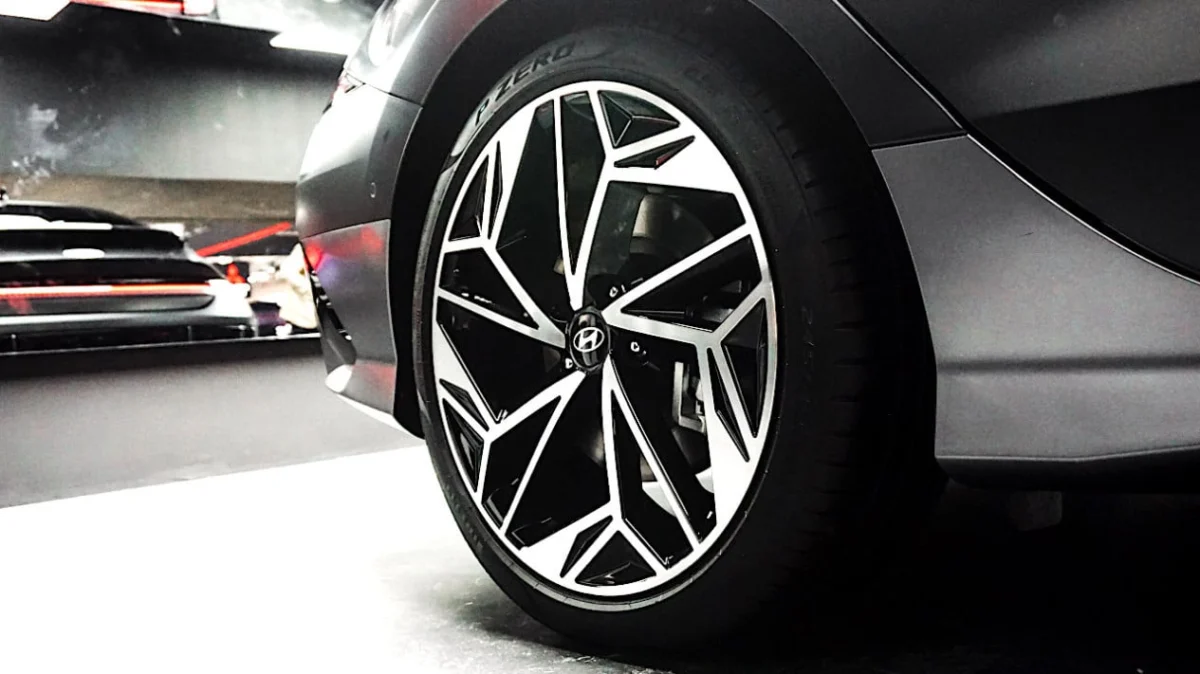
Jakarta — Tires serve as one of the most vital components of any electric vehicle (EV), directly influencing operational safety, ride comfort, and energy efficiency. Unlike conventional internal combustion engine vehicles, battery-powered cars carry significantly heavier gross vehicle weights due to heavy battery packs and deliver instantaneous torque to the wheels. Consequently, tires designed for electric mobility require specialized engineering specifications to handle these unique physical demands without compromising driving range or structural integrity.
When vehicle owners undertake the routine maintenance task of replacing worn tires, simply matching the wheel rim diameter is insufficient. Critical parameters such as load index, speed rating, overall tire dimensions, and rolling resistance characteristics must be meticulously evaluated. These technical metrics ensure that the chosen rubber compound can safely support the heavy chassis while maintaining optimal energy efficiency. Without these specialized features, an incorrect tire choice can lead to accelerated tread wear, diminished driving ranges per charge, and increased road noise inside the cabin.
Understanding the Technical Demands of Electric Vehicle Tires
The automotive landscape has undergone a dramatic transformation over the past decade, shifting rapidly from conventional fossil-fuel-powered automobiles to sustainable battery electric vehicles. This transition introduces a distinct set of engineering challenges for automotive component manufacturers, particularly tire producers. Standard tires developed for gasoline or diesel cars are often inadequate for the rigorous demands of electric propulsion systems.
First, the presence of heavy lithium-ion battery packs adds hundreds of kilograms to the total weight of the vehicle. This elevated load is exerted constantly on the contact patch of each tire, accelerating wear and tear. Second, electric motors generate maximum torque instantaneously from a standstill. When a driver presses the accelerator pedal, full twisting force is transmitted immediately to the wheels, causing high friction stress between the tire tread and the asphalt surface.
To counteract these factors, leading global tire manufacturers have introduced specialized product lines engineered specifically for electric vehicles. These advanced tires feature reinforced sidewalls to support heavier vehicle weight, stiffer carcass structures to handle instant torque delivery, and optimized tread compounds that minimize rolling resistance. Additionally, because electric cars lack the masking sound of an internal combustion engine, EV-specific tires are often integrated with sound-dabsorbing foam layers inside the casing to reduce rolling noise transmitted into the passenger cabin.
Market Overview and Comprehensive Pricing Structure in Indonesia
As the adoption of electric vehicles accelerates across the Indonesian archipelago, the aftermarket ecosystem for replacement parts continues to expand. Vehicle owners now have access to a wide array of tire brands, ranging from budget-friendly options to premium global imports. Market observations conducted in September 2026 illustrate the diverse pricing tiers available for passenger cars and compact sports utility vehicles equipped with rim sizes ranging from 15 inches to 18 inches.
The financial investment required to replace a full set of four tires varies substantially depending on the wheel diameter, brand reputation, construction technology, and specific load capabilities. Consumers must carefully balance upfront expenditure with long-term durability and energy efficiency when selecting replacement products.
Rim 15 Inch Tire Options and Costs
For smaller electric city cars or converted electric vehicles utilizing 15-inch rims, market prices generally range from Rp700,000 to Rp1,400,000 per individual unit. Vehicle owners seeking to replace all four tires simultaneously must allocate a budget spanning approximately Rp2,800,000 to Rp5,600,000. This tier is typically populated by entry-level commuter models where cost-efficiency remains a primary consideration for daily fleet operators and private owners alike.
Rim 16 Inch Tire Options and Costs
Stepping up to 16-inch configurations, which are commonly found on modern urban hatchbacks and compact crossover electric vehicles, prices escalate moderately. Individual tires within this category command between Rp800,000 and Rp2,100,000. Equipping a vehicle with a complete set of four new 16-inch tires requires an estimated expenditure of Rp3,200,000 to Rp8,400,000. This segment represents a significant portion of the consumer market, balancing stability, load capacity, and replacement affordability.
Rim 17 Inch Tire Options and Costs
The 17-inch rim size marks the threshold for mid-sized electric sedans and family-oriented crossover utility vehicles. Tires designed for these applications are priced from Rp950,000 to Rp2,300,000 per piece. Consequently, purchasing a full set of four tires entails an investment ranging from Rp3,800,000 to upwards of Rp9,200,000. At this level, consumers frequently encounter advanced compound technologies aimed at reducing rolling resistance to preserve battery range on long highway journeys.
Rim 18 Inch Tire Options and Costs
Occupying a prominent position in the upper-middle and premium segments, 18-inch wheels are widely utilized by modern compact SUVs and long-range electric vehicles prevalent on Indonesian roads. Due to their larger contact patch and specialized load requirements, individual tire prices fluctuate between Rp1,200,000 and Rp3,100,000. Replacing all four tires on an 18-inch setup demands a total budget between Rp4,800,000 and Rp12,400,000. Premium brands in this category often integrate cutting-edge noise-reduction foam and high-grip silica compounds tailored specifically for high-performance electric torque delivery.
Detailed Breakdown of Pricing and Specifications
| Rim Size | Price Range per Tire (IDR) | Full Set of 4 Tires Range (IDR) | Target Vehicle Segment |
|---|---|---|---|
| 15-Inch | Rp700,000 – Rp1,400,000 | Rp2,800,000 – Rp5,600,000 | City cars, entry-level hatchbacks |
| 16-Inch | Rp800,000 – Rp2,100,000 | Rp3,200,000 – Rp8,400,000 | Compact crossovers, urban hatchbacks |
| 17-Inch | Rp950,000 – Rp2,300,000 | Rp3,800,000 – Rp9,200,000 | Mid-sized sedans, family SUVs |
| 18-Inch | Rp1,200,000 – Rp3,100,000 | Rp4,800,000 – Rp12,400,000 | Performance EVs, compact premium SUVs |
Key Factors Influencing Electric Vehicle Tire Valuation
The wide spectrum of pricing observed across identical rim dimensions is driven by several complex manufacturing and marketing variables. Understanding these factors allows vehicle owners to make informed purchasing decisions that align with their driving habits and budgetary constraints.
- Brand Positioning and Manufacturing Origin: Established multinational tire manufacturers invest heavily in research and development facilities dedicated exclusively to electric mobility solutions. Consequently, products carrying premium global brand names command higher price points compared to domestic or lesser-known import alternatives.
- Compound and Tread Technology: The chemical composition of the rubber tread directly dictates performance metrics. High-silica compounds offer superior wet grip and lower rolling resistance but require sophisticated production techniques that elevate the final retail price.
- Load and Speed Indices: Because electric vehicles weigh substantially more than their internal combustion counterparts, tires must feature reinforced internal structures, often denoted by Extra Load (XL) ratings. Higher load and speed indexes reflect stronger carcass plies, which naturally increase manufacturing costs.
- Acoustic Mitigation Technologies: Premium EV tires frequently incorporate proprietary polyurethane foam linings adhered to the inner liner of the tire casing. This technology absorbs cavity resonance, significantly reducing road noise entering the cabin, and adds a premium margin to the product cost.
Industry Perspectives and Expert Recommendations
Automotive aftermarket experts and maintenance specialists in Indonesia consistently advise electric vehicle owners to exercise caution when selecting replacement tires. Selecting substandard products based purely on initial purchase price savings can lead to detrimental outcomes regarding overall vehicle safety and operational efficiency.
Industry analysts emphasize that installing non-compliant tires on a high-torque electric vehicle can result in rapid tread degradation, requiring premature replacement cycles that offset any initial monetary savings. Furthermore, tires with high rolling resistance force the electric motor to consume additional electrical energy to maintain cruising speeds, thereby measurably reducing the vehicle’s driving range per charge cycle.
Authorized service centers and independent tire retailers recommend consulting the vehicle manufacturer’s original equipment specifications before purchasing replacements. Paying close attention to placards located on the driver-side door jamb ensures that the chosen tires meet or exceed the factory-mandated load and speed ratings.
Broader Economic and Environmental Implications
The maturation of the electric vehicle aftermarket in Indonesia reflects the broader transition toward sustainable transportation within Southeast Asia’s largest economy. As government incentives and infrastructure investments stimulate continuous growth in battery electric vehicle adoption, consumer demand for specialized maintenance components will continue to expand.
The economic impact extends to domestic automotive supply chains, encouraging local distributors and potentially regional manufacturing facilities to adapt their product portfolios. Ensuring widespread availability of certified, high-efficiency tires is essential for maximizing the environmental benefits of electric mobility, as optimized energy utilization directly translates to lower carbon emissions associated with electricity generation and consumption.
Ultimately, the evolving market for electric vehicle tires in Indonesia demonstrates a growing sophistication among consumers and industry stakeholders alike. By prioritizing technical suitability, safety compliance, and long-term efficiency over short-term cost reductions, vehicle owners can ensure optimal performance and safety as the nation embraces the future of electrified transportation.