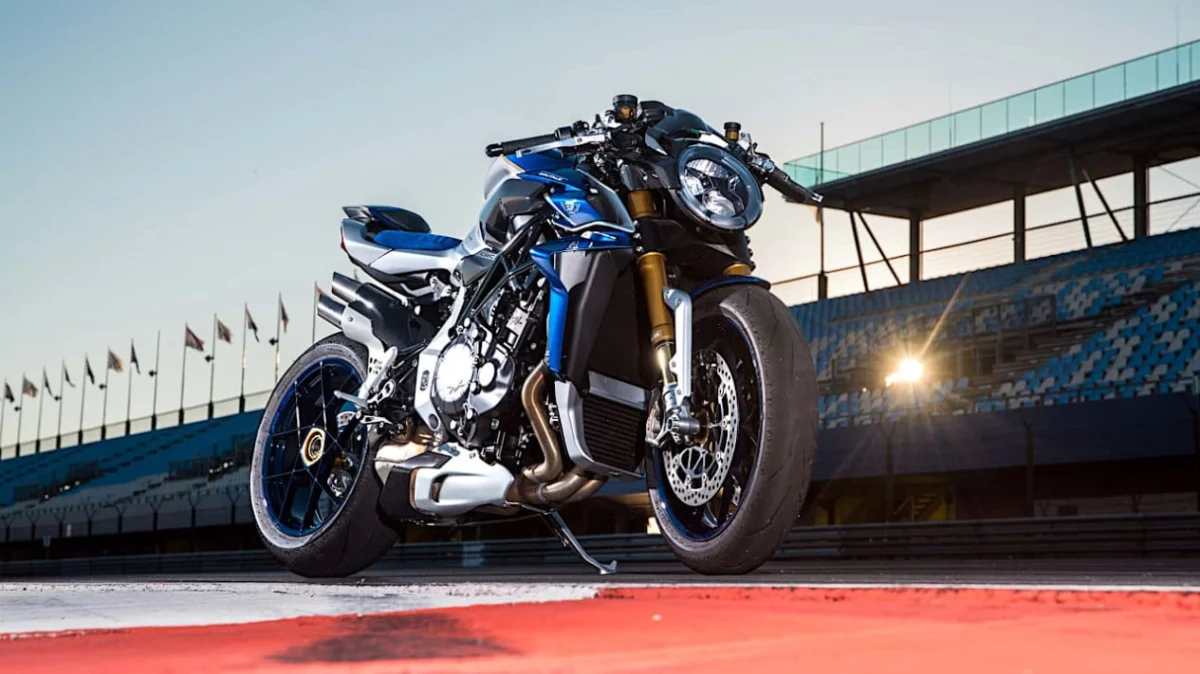
The iconic Italian motorcycle manufacturer MV Agusta has once again been plunged into a severe financial crisis, threatening its historic legacy in the high-performance two-wheeler market. Following its separation from Austrian parent company KTM, the Varese-based brand has reportedly ground its manufacturing operations to a complete standstill. Production lines at the historic Schiranna facility in Varese, Italy, have been inactive since April 2026, driven by an escalating cash-flow crunch, unpaid supplier invoices, and the dramatic collapse of a crucial bailout and investment agreement with Chinese manufacturing giant CFMoto.
The unfolding situation marks a rapid and alarming reversal of fortunes for a company that, only a year prior, was charting an independent path toward market stabilization. Industry analysts are closely monitoring the developments, as the crisis not only jeopardizes the livelihoods of nearly 185 dedicated factory workers at the Varese plant but also threatens the global supply chain, dealer networks, and the future viability of one of motorcycling’s most storied marque names.
The Collapsed CFMoto Partnership and Financial Impasse
The root of MV Agusta’s current predicament traces back to the failed negotiation process with CFMoto, one of China’s leading powersports and motorcycle producers. Hopes for a financial revival soared in June 2026 when both companies reportedly signed a Memorandum of Understanding (MoU). Under the terms of the preliminary agreement, CFMoto was slated to acquire a significant 49 percent stake in MV Agusta.
The deal promised a multi-million-euro capital injection designed specifically to restructure the Italian firm’s debt, stabilize its supply chain, and fund future product development. However, high-level talks quickly derailed. According to industry reports originating from automotive publications, the agreement collapsed due to insurmountable differences regarding financial demands and valuation terms during the final stages of negotiation. Without CFMoto’s capital infusion, MV Agusta found itself entirely exposed, lacking the liquidity required to pay component suppliers, settle mounting debts, and maintain active assembly lines.
A Troubled Timeline of Ownership and Independence
To fully understand the magnitude of MV Agusta’s current crisis, it is necessary to examine the turbulent structural shifts the company has undergone over the past several years. Known globally for producing exotic, premium motorcycles characterized by aggressive styling and high-performance engineering, the brand has historically struggled with financial stability despite its revered status among enthusiasts.
The modern chapter of instability intensified when Austrian motorcycle powerhouse KTM—a brand under Pierer Mobility—acquired a 50.1 percent majority stake in MV Agusta in 2023. Under KTM’s corporate stewardship and operational management, MV Agusta experienced a brief period of financial recovery. Leveraging KTM’s vast global distribution network, supply chain efficiencies, and engineering resources, the Italian brand reported a healthier financial posture. For the 2023 fiscal year, MV Agusta recorded revenues of approximately 133 million euros, accompanied by a positive Earnings Before Interest and Taxes (EBIT) of 11 million euros. The positive momentum continued into 2024, during which the company maintained an EBIT of 9 million euros on revenues totaling roughly 88 million euros.
However, the trajectory shifted dramatically late in 2024. Pierer Mobility and KTM itself encountered severe financial headwinds, leading to a corporate insolvency process in Austria. As KTM restructured its operations to survive its own financial pressures, the strategic partnership with MV Agusta became untenable. By 2025, the ownership of MV Agusta reverted fully to Art of Mobility, returning the historic Italian brand to an independent status. While independence was framed by leadership as an opportunity for self-determination, it abruptly stripped the company of the deep corporate pockets and logistical backing previously provided by KTM.
Sales Shortfalls and Widening Operational Gaps
Operating independently once again, MV Agusta set ambitious targets for the post-KTM era. Company leadership outlined a strategic plan aiming for an annual production and sales volume of approximately 4,000 units in the short term, with a long-term goal of scaling up to 10,000 units per year.
Yet, market realities proved far harsher than projected. By the end of July 2026, official sales figures revealed that MV Agusta had delivered a total of just 1,238 units worldwide. This significant shortfall left the company miles away from its annual targets, starving it of the organic revenue generation necessary to sustain overhead costs, fund ongoing research and development, and service existing liabilities.
The domestic and international distribution networks immediately felt the tremors of this financial drought. Authorized dealers across key European markets—particularly in Germany, Austria, and Switzerland—reported severe shortages of both newly manufactured motorcycles and critical spare parts. Compounding the issue, several Tier-1 and Tier-2 component suppliers took drastic action, halting the delivery of raw materials and parts due to outstanding, unpaid invoices. This supply chain freeze directly precipitated the complete shutdown of manufacturing operations at the Varese plant in April 2026, creating a vicious cycle where a lack of capital prevented production, and a lack of production prevented revenue generation.
Human Toll and Dealer Network Anxiety
As the financial distress deepens, the human and operational costs are becoming increasingly apparent. The most pressing concern centers around the approximately 185 workers employed at the Varese manufacturing facility. With production halted for months and no immediate white knight investor on the horizon following the departure of CFMoto, labor unions and employee representatives have expressed profound anxiety regarding job security and wage stability. Local stakeholders are urgently demanding transparent communication from management and concrete intervention strategies to protect the workforce.
Concurrently, the global dealer network is operating in a state of high uncertainty. Premium motorcycle buyers invest heavily not just in the machinery, but in the promise of long-term brand support, warranty fulfillment, and parts availability. The ongoing parts shortages and manufacturing hiatus threaten to erode consumer confidence, potentially causing long-term damage to brand equity that will be exceedingly difficult to repair once operations eventually resume.
Industry Implications and Financial Analysis
Financial analysts observing the European powersports sector note that MV Agusta’s recurring struggles highlight the inherent vulnerabilities of low-volume, high-end niche manufacturers in a modern economic climate dominated by stringent regulatory standards, high research and development costs, and volatile global supply chains.
Unlike mass-market manufacturers capable of absorbing economic shocks through high-volume commuter models, boutique brands like MV Agusta rely heavily on continuous capital investment, robust cash flow, and uninterrupted supply chains to bring complex, emotionally driven products to market. The failure to successfully integrate into a larger automotive conglomerate—first with KTM’s financial restructuring and subsequently with the aborted CFMoto partnership—demonstrates how fragile standalone operations can be for European heritage brands in the current decade.
Looking Ahead: Can MV Agusta Recover?
As of September 2026, the immediate future of MV Agusta hangs in the balance. Management faces a narrow window to secure alternative financial backing, restructure existing debts, and restore supplier trust to restart the silent assembly lines in Varese. Whether Art of Mobility can attract a new strategic investor or whether additional structural restructuring will be required remains to be seen.
For the legions of motorcycle enthusiasts worldwide who revere the "Motorcycle Art" produced in Varese, the current crisis is a sobering reminder of the fragile economics underpinning the passion of two-wheeled performance. Industry stakeholders and labor unions alike wait anxiously for the next move from MV Agusta leadership, knowing that time is running out to save one of Italy’s most cherished industrial icons.