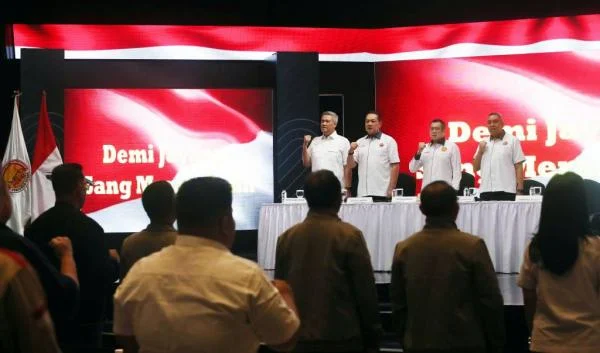
The Pengurus Besar Persatuan Olahraga Biliar Seluruh Indonesia (PB POBSI) has officially unveiled a comprehensive strategic roadmap aimed at elevating the standard of billiards in the nation, with the proposed launch of the Indonesia Billiards League serving as the centerpiece of their 2027 vision. This announcement was made during the Rakernas PB POBSI, held on Thursday, September 10, 2026, at the MNC Conference Hall within the iNews Tower, Jakarta. The meeting brought together stakeholders from across the archipelago to evaluate past achievements and codify a trajectory for professionalizing the sport.
The Rakernas Proceedings and Strategic Evaluation
The Rakernas, or National Working Meeting, functioned as a critical forum for both accountability and future planning. Chaired by the Chairman of PB POBSI, Hary Tanoesoedibjo, the event began with a formal review of the organization’s performance. Secretary-General Achmad Fadil Nasution delivered a detailed Laporan Pertanggungjawaban (LPJ), which served as the foundation for the day’s discussions.
The report, which outlined the operational and financial health of the organization, received widespread approval from the representatives of the Pengurus Provinsi (Pengprov)—the provincial chapters of the organization. This consensus indicates a high level of organizational alignment and a collective desire among regional leaders to push for more aggressive development cycles. By securing a mandate from the regional branches, PB POBSI has effectively cleared the path for the implementation of its ambitious 2027 agenda.

The Indonesia Billiards League: A Paradigm Shift
The most significant takeaway from the session was the proposal for a national league structure. Historically, billiards in Indonesia has been characterized by sporadic tournaments and individual club-based competitions. The proposed Indonesia Billiards League seeks to move beyond this fragmented model by introducing a structured, season-long competition format.
The implication of such a league is profound. By providing a consistent calendar of high-level competition, PB POBSI aims to transition the sport from a recreational pastime to a sustainable professional career path for athletes. A professional league allows for consistent scouting, the establishment of player rankings, and the attraction of commercial sponsorships that are essential for the long-term viability of any major sport. Analysts suggest that this structure will provide the necessary competitive intensity to prepare Indonesian cueists for international circuits, such as the WPA (World Pool-Billiard Association) sanctioned events.
Organizational Pillars for 2027
Following the successful adoption of the LPJ, the assembly transitioned into the strategic planning phase, which divided the upcoming workload into three distinct pillars:
- Organizational Governance: This pillar focuses on strengthening the internal infrastructure of POBSI, streamlining communication between the central board and the regional Pengprov offices, and digitizing membership and tournament registration systems to ensure transparency and administrative efficiency.
- Development and Achievement (Binpres): This is the core of the sporting mission. It involves the establishment of standardized training protocols, the certification of coaches, and the creation of youth development programs designed to identify talent at an earlier age. The Binpres sector is also responsible for overseeing the training camps for athletes representing Indonesia in regional and international multi-sport events.
- General Programs and Outreach: This includes public relations, sports marketing, and the popularization of billiards among the younger generation. The goal is to reshape the perception of billiards as a disciplined, high-skill sport and to expand the accessibility of training facilities across the country.
Historical Context and Growth Trajectory
The current push for modernization follows several years of steady growth in the popularity of cue sports in Indonesia. Since the post-pandemic recovery, there has been a notable increase in the number of billiards venues, many of which have transitioned into high-end sporting hubs rather than traditional, dimly lit parlors.

PB POBSI has capitalized on this trend by implementing stricter regulations for tournament venues and promoting a cleaner, more professional image for the sport. The 2026 Rakernas acts as a culmination of these efforts, formalizing the transition from ad-hoc management to a long-term strategic model. The involvement of top leadership, including Hary Tanoesoedibjo, underscores the strategic importance the federation places on sports diplomacy and the role of billiards in national pride.
Economic and Social Implications
The professionalization of billiards in Indonesia is not merely a sporting concern; it carries significant economic weight. The creation of a national league creates a ecosystem that supports equipment manufacturers, venue owners, media broadcasters, and support staff. As the sport gains more televised coverage and digital engagement, it is expected to attract non-endemic sponsors, providing the financial runway required to send more Indonesian athletes to compete globally.
Furthermore, the emphasis on provincial engagement ensures that the development is not centralized solely in Jakarta. By requiring Pengprov chapters to be more active in hosting local competitions, the federation is decentralizing the talent pipeline. This creates a "bottom-up" effect where local heroes emerge from regional tournaments, feeding into the national league, and eventually representing Indonesia on the global stage.
Future Challenges and Strategic Requirements
While the roadmap for 2027 is clear, the implementation phase will face several challenges. Primary among these is the need for consistent infrastructure investment. To host a national league, provinces must have access to tournament-grade tables, lighting, and broadcasting capabilities. PB POBSI will need to work closely with local governments and private investors to ensure that these standards are met across the country.

Another challenge is the standardization of refereeing and officiating. As the sport moves into a professional era, the integrity of matches must be beyond reproach. This implies a need for a robust training program for referees and the adoption of standardized rules across all sanctioned events. The federation has hinted that these operational details will be the subject of further technical meetings in the coming months.
Conclusion
The outcomes of the Rakernas PB POBSI 2026 signal a maturing sporting body that is no longer content with reactive management. By prioritizing a structured national league and a tripartite approach to development, the federation is laying the groundwork for Indonesia to become a regional powerhouse in the world of billiards.
The successful adoption of the 2027 program serves as a testament to the unified vision of the organization’s leadership and its regional stakeholders. As the federation moves toward the execution phase, the focus will remain on operationalizing these ambitious plans into tangible results on the green baize. With a clear strategy, strong organizational backing, and a growing domestic fan base, the future of billiards in Indonesia appears to be on a firm, upward trajectory, poised to reach new levels of competitive excellence by the end of the decade.