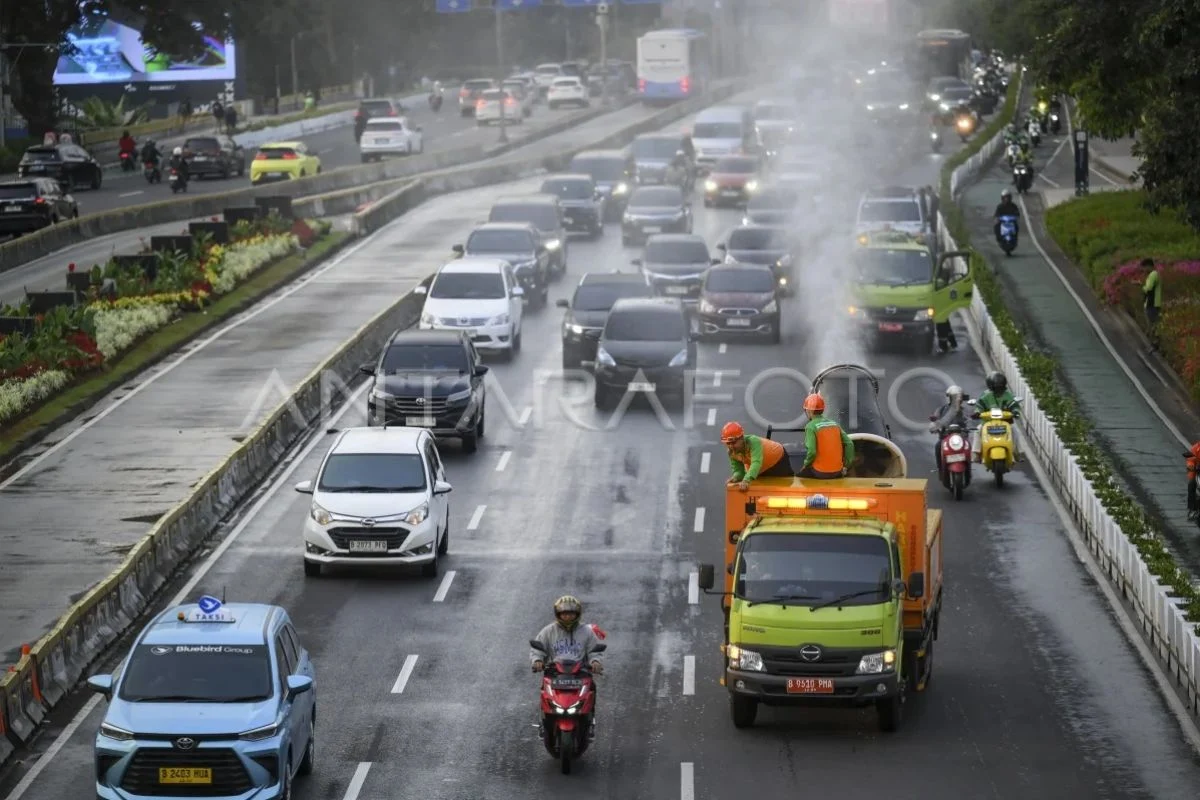
The recent eruption of Mount Anak Krakatau, located in the Sunda Strait between the islands of Java and Sumatra, has once again blanketed surrounding regions in thick layers of abrasive volcanic debris. While most vehicle owners instinctively rush to wash the exterior paintwork to prevent cosmetic damage, automotive experts and geological agencies emphasize that the visible soot is only part of the problem. Volcanic ash is fundamentally different from ordinary household dust or urban grime. Composed of pulverized rock, minerals, and glass shards, these microscopic particles possess jagged, razor-sharp edges that act as an aggressive abrasive. When vehicles are operated in ash-heavy environments, these hazardous particles infiltrate vital mechanical systems, posing severe long-term risks to operational performance and structural longevity.
Understanding the geological nature of the event provides crucial context for motorists navigating the aftermath. Mount Anak Krakatau—the "Child" of the legendary Krakatoa volcano, which famously erupted in 1883—has experienced intermittent heightened activity due to ongoing magmatic upwelling beneath the Sunda Strait caldera. These explosive and effusive eruptions routinely project plumes of ash thousands of meters into the atmosphere, which are then carried across coastal residential and industrial zones by prevailing regional winds. As the ash settles, it coats everything in its path, creating an environmental hazard that extends far beyond respiratory concerns for humans to encompass mechanical preservation for machinery and transport infrastructure.
According to technical guidelines issued by geological and automotive safety authorities, including the United States Geological Survey (USGS), even a relatively minor concentration of volcanic ash inside a vehicle’s internal mechanisms can accelerate wear and tear exponentially. Because the material is harder than many manufactured metals and plastics, moving parts exposed to unfiltered ash experience premature friction, scoring, and eventual failure. Consequently, comprehensive post-eruption maintenance requires a systematic inspection of seven critical automotive components to prevent cascading mechanical failures.
-
Engine Air Filtration Systems
The engine air filter serves as the primary line of defense against airborne contaminants, making it exceptionally vulnerable during a volcanic ash fall. As ash accumulates on the filter element, it rapidly clogs the porous material, severely restricting the volume of air required for optimal internal combustion. If a motorist continues to drive through heavy fallout, the pressure differential can compromise the filter medium, allowing abrasive silica particles to bypass the barrier entirely. Once inside the combustion chamber, these particles mix with engine oil, creating a lapping compound that accelerates cylinder wall, piston ring, and valve wear. Experts strongly advise inspecting air filters immediately after an ash event and replacing them prematurely if heavy discoloration or particle embedding is detected. -
Braking Mechanisms
The kinetic energy required to stop a modern automobile relies on high-friction materials interacting under precise tolerances. When volcanic ash infiltrates the wheel assemblies, it settles around brake pads, rotors, drums, and calipers. The sharp, abrasive nature of the ash acts as an aggressive grinding agent whenever the brakes are applied. This not only causes accelerated scoring of brake rotors and rapid thinning of pad material but can also wedge particles into sliding caliper pins, leading to uneven braking pressure or stuck brake assemblies. Vehicles operated extensively in ash-affected regions should undergo professional brake inspections and thorough cleaning to ensure hydraulic and mechanical integrity remain uncompromised. -
Radiators and Engine Cooling Systems
Maintaining proper operating temperatures is vital for internal combustion engines, a process heavily dependent on unobstructed airflow through the vehicle’s radiator grille and core fins. Volcanic ash possesses a fine, powdery consistency that easily penetrates the narrow gaps between cooling fins. When combined with ambient moisture or morning dew, this dust bakes into a cement-like crust that drastically inhibits thermal dissipation. Overheating becomes an immediate hazard if the radiator’s heat-exchange capacity is choked by accumulated debris. Post-eruption protocols mandate high-volume, low-pressure washing of the radiator core from the engine side outward to dislodge trapped particles without bending delicate aluminum fins. -
Cabin Air Filters and Air Conditioning Systems
Occupant health and comfort are similarly threatened when volcanic ash enters the vehicle’s ventilation network. The fine particulate matter easily breaches exterior air intakes, settling within the cabin air filter and coating the evaporator and blower motor assemblies. Inhaling these crystalline silica particles poses significant respiratory risks, particularly for individuals with pre-existing conditions such as asthma or bronchitis. Furthermore, an overloaded cabin filter restricts airflow, forcing the blower motor to work harder and potentially leading to electrical burnout. Drivers are advised to switch their climate control systems to recirculate air mode during active ash falls and to replace cabin filters promptly following exposure. -
Windshields and Wiper Assemblies
One of the most common and costly mistakes motorists make during an ash fall involves improper glass cleaning. Instinctively activating windshield wipers to clear falling debris while the glass is dry or covered in thick ash results in immediate, permanent scratching. Because volcanic ash contains microscopic glass and rock fragments, dragging dry wiper blades across the windshield creates a sandpaper effect that severely etches the glass surface, often rendering it dangerously opaque under nighttime glare. Standard operating procedure dictates that drivers must thoroughly flood the windshield with washer fluid or clean water to float the abrasive particles away before engaging wipers or manual cleaning cloths. -
Electrical Components and Alternator Integrity
Modern vehicles rely heavily on complex electronic control units (ECUs), sensors, and wiring harnesses. Volcanic ash is chemically active and, under certain atmospheric conditions, mildly conductive—especially when mixed with moisture or acidic rain typical of volcanic plumes. When dry ash accumulates within the engine bay, it can infiltrate alternator brush assemblies, starter motors, and sensor connectors. An accumulation of damp ash creates tracking paths for electrical currents, potentially causing short circuits, erratic sensor readings, or complete electrical system failure. Thorough engine bay detailing by professional technicians is strongly recommended when vehicles have ingested significant quantities of ash. -
Engine Oil and Internal Lubrication
Perhaps the most critical yet frequently overlooked danger involves the contamination of engine oil. If microscopic abrasive particles manage to bypass compromised air intake systems or enter through crankcase ventilation paths, they mix directly with the engine lubrication oil. Once suspended in the oil, these hard minerals circulate throughout the engine block, acting as a liquid abrasive against camshaft bearings, crankshaft journals, and timing chains. The USGS highlights that even trace amounts of volcanic grit suspended in engine oil can destroy an engine within a remarkably short operational window. Consequently, oil and filter changes are mandatory preventative measures for vehicles caught driving through intense ash storms.
Operational Guidelines and Best Practices
Beyond component-specific inspections, automotive industry groups and disaster management agencies have established clear protocols for handling vehicles exposed to volcanic fallout. Foremost among these directives is the absolute prohibition against using compressed air to blow dry ash off vehicle surfaces. High-pressure air blasts aerosolize the hazardous particulate matter, causing it to re-enter the atmosphere where it can be inhaled by bystanders or driven deeper into the vehicle’s electrical and mechanical crevices.
Similarly, dry wiping or dusting the vehicle exterior should be avoided. Instead, vehicle owners are urged to utilize gentle, high-volume running water—such as that from a garden hose—to slowly flush the ash downward and away from the vehicle body without exerting mechanical friction on the paint. For drivers located directly in the path of active ash plumes, transport authorities strongly recommend restricting vehicle use entirely unless emergency evacuation is necessary, thereby minimizing cumulative exposure to mechanical wear factors.
Economic and Logistical Implications
The broader economic impact of volcanic eruptions on regional transport fleets is substantial. Municipalities, logistics companies, and private vehicle owners frequently face unexpected maintenance surges following heightened activity from geological anomalies like Mount Anak Krakatau. Fleet managers must allocate emergency repair budgets for accelerated component replacements, particularly air filters, brake pads, and cooling system flushes. In regions heavily reliant on road transport for goods distribution, premature mechanical breakdowns caused by volcanic ash can severely disrupt supply chains, inflate operational expenditures, and strain local repair infrastructure.
Ultimately, the aftermath of a volcanic eruption demands a shift in maintenance mindset. Surface cleanliness is merely cosmetic; the true preservation of a vehicle’s mechanical lifespan hinges on meticulous internal inspection and preventative servicing. By systematically addressing vulnerabilities in the air intake, braking, cooling, electrical, and lubrication systems, vehicle owners can mitigate the insidious, abrasive threats posed by volcanic fallout and ensure long-term operational reliability.