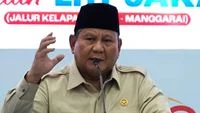
In a significant call to collective reflection, prominent Indonesian Islamic scholar Ustaz Adi Hidayat has urged the nation to engage in a movement of national repentance, or taubat nasional. This appeal, issued on Thursday, September 10, 2026, comes against a backdrop of various socio-political and environmental challenges currently facing Indonesia. According to the scholar, such moments of national turbulence should serve as a spiritual catalyst for citizens to introspect, recalibrate their moral compass, and strengthen their relationship with the Divine.
The call to repentance, disseminated via various digital platforms including the social media account @lambesahamjja, transcends the simplistic notion of verbal apology. Instead, it frames taubat as a holistic process encompassing psychological awareness, profound regret, and a concrete commitment to behavioral reform. As the nation navigates a complex period of transition, the emphasis on spiritual grounding is being positioned as a stabilizing force for the public.
The Theological Framework of Repentance
Within Islamic jurisprudence and spiritual guidance, the concept of taubat is multifaceted. Ustaz Adi Hidayat emphasizes that true repentance is not a static ritual but a dynamic transformation. It begins with the intellectual and emotional recognition of errors, whether they are moral lapses, social injustices, or failures in personal responsibility.
The process, as outlined by the scholar, involves three core pillars:
- Recognition and Awareness: Acknowledging the specific transgression before the Creator.
- Remorse (Nadama): A genuine sense of regret that serves as an emotional deterrent against future repetition.
- Firm Intent (Azm): A resolute decision to abandon the harmful act and replace it with positive, constructive behavior.
This framework suggests that repentance is an active duty. For the modern Indonesian citizen, this implies that systemic or societal issues—such as corruption, social inequality, or environmental degradation—are not merely political concerns but moral ones that require a collective shift in consciousness.
Chronology of Recent Challenges and Public Sentiment
The timing of this appeal follows several months of heightened instability in the region. Since early 2026, Indonesia has faced a confluence of economic pressures and natural challenges. In the first quarter of the year, several provinces experienced significant flooding, leading to infrastructure strain and displacement. Simultaneously, the labor market has faced volatility, sparking public discourse on economic equity and the ethical responsibilities of those in power.
In June 2026, social analysts noted a surge in public disillusionment, reflected in online forums and community gatherings. By August 2026, the discussion shifted from mere economic grievances to broader questions about societal morality and governance. It is within this climate of anxiety and search for meaning that religious figures like Ustaz Adi Hidayat have stepped forward to provide a spiritual framework for processing national stress.
The Role of Istighfar in Contemporary Society
A central component of the recommended practice is the act of istighfar, or seeking forgiveness. Ustaz Adi Hidayat highlights that the recitation of "Astaghfirullah" is a practice that can be integrated into daily routines, regardless of one’s profession or social status.
In a secular sense, this practice functions as a cognitive exercise in mindfulness. By consistently acknowledging one’s fallibility, an individual is less likely to succumb to hubris or unethical behavior in the workplace. Research into spiritual psychology suggests that regular practices of humility—such as prayer or meditation—correlate with lower levels of stress and higher levels of social cooperation. By framing istighfar as a public, national endeavor, the scholar is essentially calling for a widespread psychological reset.
Comparative Perspectives on National Repentance
Historically, the concept of a "national day of prayer" or a "call to repentance" is not unique to Indonesia or to Islam. Many nations have turned to spiritual or ethical reflection in times of crisis. For instance, in various Western democracies, leaders have historically issued proclamations of national humility during periods of war or severe economic depression.
In the Indonesian context, however, this appeal holds specific weight due to the country’s foundational identity as a nation with a strong religious demographic. The call by Ustaz Adi Hidayat aligns with the "Pancasila" values, which place belief in the One God at the forefront of the national philosophy. Experts in sociology of religion observe that when prominent scholars call for such measures, it often serves to de-escalate political tension, redirecting the public’s focus toward self-improvement rather than external conflict.
Implications for Policy and Social Harmony
While the call is primarily religious, its implications for public policy and social cohesion are significant. If a large segment of the population adopts a mindset of self-reflection, it could lead to a reduction in reactive social behaviors. For instance, if the process of taubat includes the restoration of rights—such as returning misappropriated funds or apologizing for slanderous speech—the result would be a measurable improvement in the quality of public discourse.
Furthermore, the emphasis on "not waiting for perfection" is a pragmatic approach to governance and civil society. By acknowledging that all humans are flawed, the movement encourages a culture of accountability and continuous improvement rather than a "cancel culture" that focuses solely on punishment.
The Path Forward: Beyond Rituals
As the nation moves forward, the success of this movement will likely depend on whether the rhetoric translates into action. Observers point out that the true test of a national repentance movement is the tangible change in social conduct. This includes:
- Transparency in Leadership: Encouraging those in positions of authority to own their mistakes and correct course.
- Economic Integrity: A decline in bribery and corruption as individuals commit to higher ethical standards.
- Community Reconciliation: Using the spirit of repentance to heal divisions caused by political polarization in recent years.
Ustaz Adi Hidayat’s message is a reminder that in times of crisis, the most potent tool for change is the individual. By encouraging millions of people to look inward, the scholar is attempting to build a foundation of moral resilience that can withstand the pressures of an uncertain future.
Conclusion: A Spiritual Reset for 2026
The call for taubat nasional is a significant event in the Indonesian calendar for 2026. It serves as a bridge between the traditional teachings of Islam and the modern necessity for psychological and social stability. Whether or not this call leads to a widespread shift in national character remains to be seen, but the emphasis on introspection, humility, and the pursuit of righteousness provides a clear, actionable framework for those seeking to contribute to the nation’s recovery.
As the country continues to navigate the complexities of the mid-2020s, the intersection of faith and civic responsibility will remain a critical area of study. For now, the message is clear: the path to national progress begins with the individual’s commitment to self-correction, a process that is as relevant in the halls of power as it is in the quiet of a prayer room. This movement, while grounded in religious terminology, offers a universal message of accountability that may well be the necessary tonic for a nation in search of its collective balance.