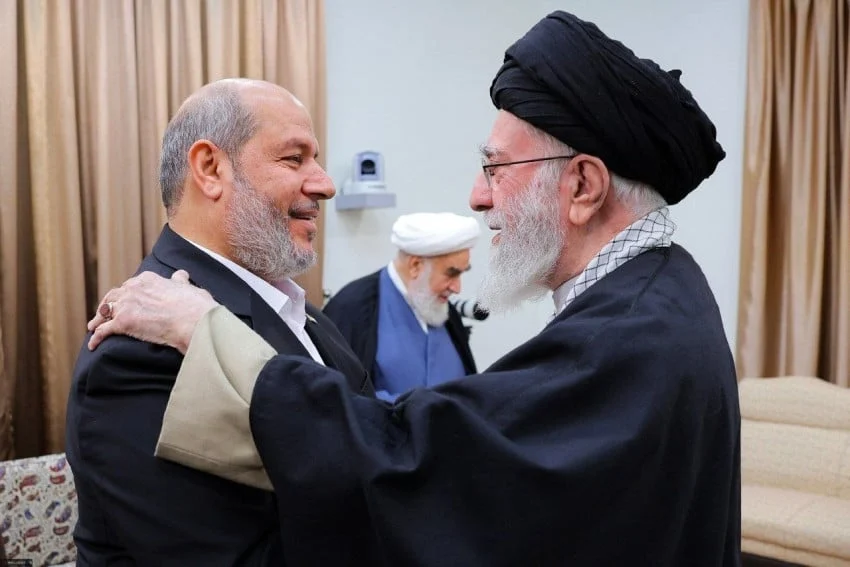
Khalil al-Hayya has been elected as the new head of Hamas’s political bureau, stepping into a critical leadership void left by the assassination of Yahya Sinwar. His ascension marks a pivotal moment for the Palestinian militant group, which is currently grappling with unprecedented challenges stemming from the ongoing conflict with Israel, severe international pressure, and significant losses within its senior ranks. Al-Hayya, widely perceived as a principal liaison and strategist aligned with Iran’s interests within the Gaza faction of Hamas, emerged victorious from an internal election, overcoming veteran figures such as Khaled Meshaal, the former head of the political bureau and a long-standing leader of the group’s external wing.
A Profile of Khalil al-Hayya: A Hardline Strategist
Born in Gaza, Khalil al-Hayya has long been a prominent figure within Hamas, known for his unyielding ideological stance and deep connections within the movement’s operational and political structures. Prior to his election as the political bureau chief, al-Hayya held several significant roles, including serving as Hamas’s leader in Gaza while operating from exile and acting as the chief negotiator for ceasefire agreements. This dual experience has provided him with an intimate understanding of both the ground realities in Gaza and the complex dynamics of international diplomacy and mediation. Arab media outlets frequently characterize al-Hayya as "more hardline" than many of his predecessors and rivals, a reputation that suggests a less compromising approach to future negotiations and strategic decisions. His consistent advocacy for resistance and steadfast opposition to Israeli policies have solidified his image as a figure committed to Hamas’s foundational principles. Al-Hayya has reportedly been among senior Hamas officials targeted in Israeli operations, including one incident in Doha, underscoring his prominence within the organization’s leadership and Israel’s long-standing policy of targeting key figures. This history further cements his perceived resilience and commitment to the movement’s cause. His close ties with Iran are particularly noteworthy, positioning him as a crucial link in the "Axis of Resistance" and potentially influencing Hamas’s strategic alignment in the broader regional landscape.
The Internal Election and Leadership Succession
The internal electoral process that led to al-Hayya’s leadership was conducted under extraordinary circumstances, reflecting Hamas’s determination to maintain its organizational structure and operational continuity despite the immense pressure it faces. The election followed a series of devastating blows to Hamas’s leadership. Ismail Haniyeh, the previous head of the political bureau, was assassinated in Tehran in late July 2024, an event that sent shockwaves through the organization and its allies. Subsequently, Yahya Sinwar, widely regarded as one of the principal architects of the October 7, 2023, attacks on Israel and the de facto leader within Gaza, was killed in the fall of 2024. These high-profile assassinations created an urgent need for succession, prompting the internal elections.
The contest between al-Hayya and Khaled Meshaal highlighted the internal ideological and strategic currents within Hamas. Meshaal, with his extensive experience in leading the external wing and navigating international relations, represents a more established, arguably pragmatic, approach to leadership. Al-Hayya, however, embodies a more confrontational stance, aligned with the operational realities and ideological fervor prevalent within the Gaza-based leadership. His victory signals a potential shift towards a more assertive and less conciliatory posture in the group’s future dealings, particularly concerning ceasefire negotiations and long-term political objectives. The choice of al-Hayya underscores the enduring influence of the movement’s military and hardline factions, especially in the wake of the intense conflict and the perceived existential threat to Hamas.
Hamas Under Siege: A Movement at a Crossroads
Khalil al-Hayya assumes leadership at arguably the most precarious juncture in Hamas’s history since its founding in 1987. The group has been subjected to an unrelenting military campaign by Israel following its surprise attacks on October 7, 2023. These attacks, which saw Hamas militants breach the Gaza border, killing approximately 1,200 people, mostly civilians, and taking over 250 hostages, triggered a massive Israeli military response aimed at dismantling Hamas’s military and governance capabilities in Gaza.
The subsequent war has had catastrophic consequences for the Gaza Strip and its population. As of late 2024, over 37,000 Palestinians have been killed, with a significant proportion being women and children, according to health authorities in Gaza. The vast majority of Gaza’s 2.3 million residents have been displaced, with many facing severe food shortages, lack of medical care, and widespread destruction of infrastructure. United Nations agencies and international humanitarian organizations have repeatedly warned of an impending famine and a dire humanitarian crisis, calling for increased aid access and a durable ceasefire.
For Hamas, the war has severely degraded its military infrastructure, though estimates vary regarding its remaining capabilities. Thousands of its fighters are believed to have been killed, and a significant portion of its tunnel network, command centers, and weapons manufacturing sites have been destroyed. Beyond the military toll, the group faces escalating international pressure. Many Western nations, including the United States and the European Union, have designated Hamas as a terrorist organization and are demanding its disarmament and the release of all remaining hostages. The International Criminal Court (ICC) has also initiated investigations into potential war crimes committed by both Israeli and Hamas leadership, adding another layer of legal and political complexity.
The assassinations of Haniyeh and Sinwar represent a significant decapitation strategy by Israel, targeting the very top echelons of Hamas’s political and military leadership. Ismail Haniyeh, who had primarily operated from outside Gaza, played a crucial role in managing Hamas’s international relations, securing financial support, and leading diplomatic efforts. His death in Tehran, attributed to an Israeli strike, was a major blow to the group’s external operations. Yahya Sinwar, on the other hand, was the undisputed leader within Gaza, deeply involved in the planning and execution of the October 7 attacks and a key figure in hostage negotiations. His elimination, following months of an intensive manhunt, was a strategic victory for Israel, aimed at eroding Hamas’s command and control within the enclave. The loss of these two pivotal figures underscores the immense pressure under which al-Hayya now takes the helm.
Strategic Implications of Al-Hayya’s Leadership
Khalil al-Hayya’s leadership is expected to have profound implications for Hamas’s strategic direction, particularly concerning ceasefire negotiations, the future of governance in Gaza, and its relationship with regional allies. His reputation as a "hardline" figure suggests that Hamas’s negotiating position may stiffen, potentially making future talks for a lasting ceasefire or a prisoner exchange deal more challenging. As a former chief negotiator, he possesses an intimate knowledge of the negotiation process, but his ideological convictions may lead him to demand more substantial concessions from Israel and international mediators. This could prolong the conflict and exacerbate the humanitarian crisis in Gaza.
His strong ties with Iran are another critical factor. Iran has historically provided Hamas with financial, military, and logistical support, positioning itself as a key patron in the regional "Axis of Resistance." Al-Hayya’s close alignment with Tehran could lead to even greater coordination between Hamas and Iran, potentially enhancing the group’s resilience and capacity to rebuild its military capabilities. This alignment could also draw Hamas more deeply into regional proxy conflicts, particularly if the broader Israeli-Iranian shadow war escalates. For Israel, al-Hayya’s election, given his hardline stance and Iranian connections, is likely to be viewed with concern, signaling a continuation, if not an intensification, of Hamas’s resistance agenda.
Regional and International Repercussions
The ascension of Khalil al-Hayya will undoubtedly elicit varied reactions from regional and international actors, shaping the trajectory of the ongoing conflict and future peace efforts.
- Israel: Israeli officials are likely to perceive al-Hayya’s leadership as a confirmation of Hamas’s continued commitment to armed resistance. His hardline views and close ties to Iran could reinforce Israel’s determination to continue its military campaign to dismantle Hamas, viewing any perceived moderation as unlikely. This might translate into an even more entrenched position regarding security demands in any future arrangements for Gaza.
- Egypt and Qatar: These nations have played crucial roles as primary mediators between Israel and Hamas. Al-Hayya’s hardline reputation could complicate their efforts, requiring more intensive diplomatic engagement to bridge the gaps in negotiation positions. They might face increased difficulty in persuading Hamas to accept proposals that involve significant concessions on its part, particularly regarding disarmament or long-term governance arrangements in Gaza.
- United States and European Union: Western powers, which largely consider Hamas a terrorist organization, will likely view al-Hayya’s leadership with skepticism. His perceived radicalism could harden their stance against any engagement with Hamas, further isolating the group on the international stage. This could also impact humanitarian aid efforts, as concerns about diversion to Hamas might intensify, despite the urgent needs of the Palestinian population.
- Iran: Tehran is expected to welcome al-Hayya’s election, viewing it as an affirmation of its influence within Hamas and the broader "Axis of Resistance." This could lead to increased support for Hamas, both ideologically and potentially materially, as Iran seeks to maintain its strategic leverage against Israel and its allies in the region.
- Palestinian Authority (PA): The PA, which governs parts of the West Bank, may find al-Hayya’s leadership challenging. Hamas’s hardline stance could further complicate prospects for Palestinian reconciliation and unification under a single political authority, particularly given the PA’s commitment to a negotiated two-state solution.
Hamas’s Future Trajectory and Challenges Ahead
Under Khalil al-Hayya’s leadership, Hamas faces an array of formidable challenges. The immediate priority will be to rebuild its organizational structure and military capabilities within Gaza, a task made immensely difficult by Israel’s ongoing operations and control over the territory. Restoring order, addressing the humanitarian catastrophe, and maintaining popular support among a traumatized population will also be critical.
Strategically, al-Hayya must navigate the complex demands of continued resistance against Israel while managing the expectations of a war-weary population and the pressures of international mediation. His ability to secure resources, maintain cohesion within the fragmented leadership (both inside and outside Gaza), and adapt to the evolving geopolitical landscape will determine Hamas’s resilience and future trajectory. The path ahead is fraught with uncertainty, but al-Hayya’s election signals a determination within Hamas to maintain a confrontational stance, even as the movement faces unprecedented existential threats. The world will be watching closely to see how this new leadership shapes the future of the Gaza Strip and the broader Israeli-Palestinian conflict.