Indonesia has once again showcased its commitment to sustainable innovation with the groundbreaking introduction of Bobibos, an environmentally friendly alternative fuel developed from agricultural waste. This pioneering initiative by PT Inti Sinergi Formula marks a significant stride in the nation’s pursuit of renewable energy solutions, aiming to reduce reliance on fossil fuels and foster a greener economy.
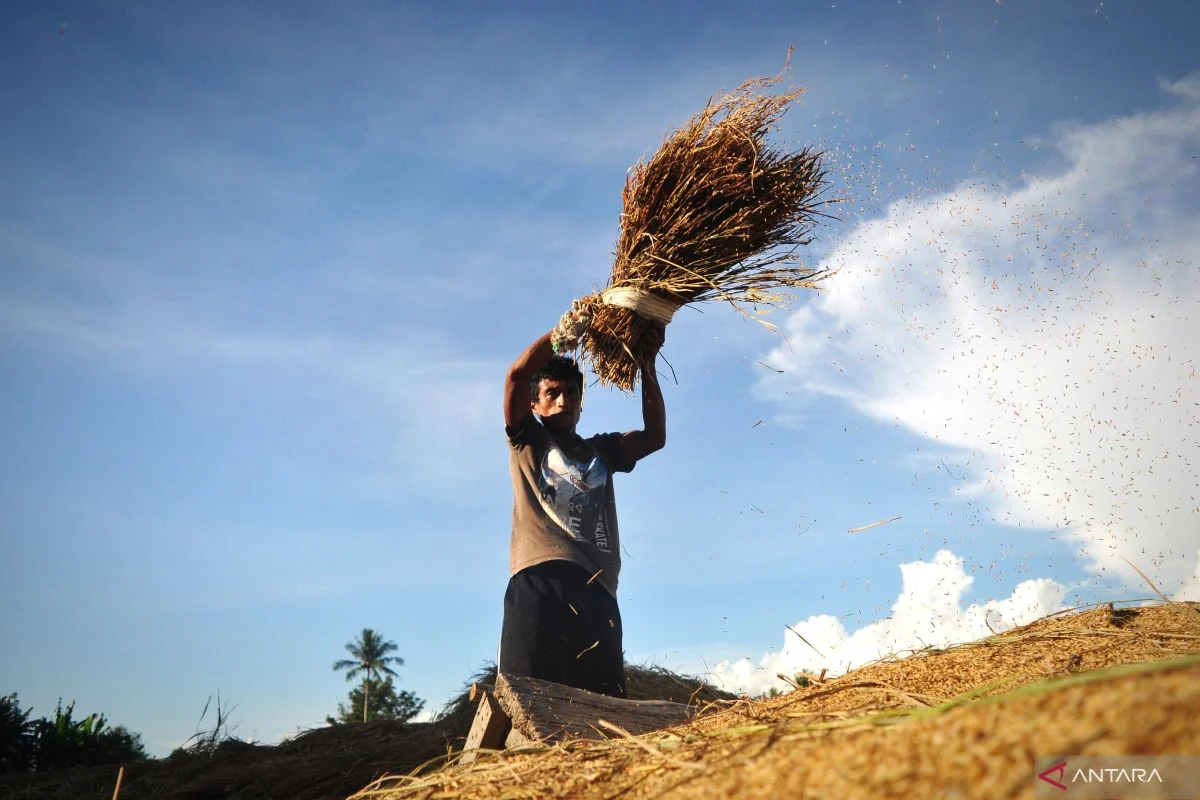
The unveiling of Bobibos took place on Sunday, November 2nd, in Jonggol, Bogor Regency, West Java. This novel biofuel is the result of extensive research and development, transforming agricultural residue, specifically rice straw (jerami), into a high-performance energy source. Traditionally, rice straw has been a post-harvest byproduct often disposed of through burning, contributing to air pollution. Bobibos offers a sustainable alternative, repurposing this abundant resource into a valuable commodity.
The name "Bobibos" is an acronym for "Bahan Bakar Original Buatan Indonesia Bos," translating to "Original Indonesian-Made Fuel, Boss." This designation highlights its indigenous development and its ambition to be a leading domestic energy solution. Classified under the category of Biofuel (Bahan Bakar Nabati – BBN), Bobibos is the brainchild of M. Ikhlas Thamrin and his dedicated research team.
The Science Behind Bobibos: From Straw to High-Octane Fuel
The innovative process behind Bobibos involves a sophisticated bioenergy conversion method combined with a proprietary "special serum" injection. Through this scientific approach, rice straw is transformed into a high-performance fuel. Crucially, Bobibos boasts a Research Octane Number (RON) of 98, positioning it as a premium fuel equivalent to high-grade conventional gasoline.
Beyond its performance metrics, Bobibos offers a significant environmental advantage: it is claimed to drastically reduce exhaust emissions, bringing them close to zero. This starkly contrasts with fossil fuels, which are major contributors to greenhouse gas emissions and air pollution. The near-zero emission profile of Bobibos is a critical factor in its potential to mitigate the environmental impact of transportation and industrial sectors.
This development echoes broader global trends in renewable energy. For instance, the Australian government has shown interest in biofuels to curb emissions, and experts from IPB University have lauded bio-avtur (bio-jet fuel) derived from used cooking oil as a remarkable breakthrough. The development of Bobibos aligns with these global efforts to find sustainable energy alternatives.
A Decade of Dedication: The Genesis of Bobibos
The impetus behind Bobibos’s creation stems from Indonesia’s long-standing challenge of reducing its dependence on imported energy sources. For over a decade, M. Ikhlas Thamrin, driven by a vision for energy independence, has been engaged in independent research to identify viable energy alternatives utilizing local raw materials.
Rice straw was identified as an ideal candidate due to its widespread availability across Indonesia and its efficient production cycle. By leveraging this readily available domestic resource, the production costs of Bobibos can be significantly lowered. This cost-effectiveness is a key factor in the target pricing of Bobibos, which is intended to be more competitive than conventional fuels.
The development of Bobibos transcends mere energy production; it unlocks new economic avenues for farmers. Agricultural waste, previously considered valueless and often disposed of improperly, is now being transformed into a product with significant market appeal. This provides farmers with an additional income stream, turning a post-harvest burden into a source of economic empowerment.
Versatility and Viability: Bobibos Across Sectors
Bobibos is initially being produced in two main variants: gasoline and diesel. This dual-fuel capability ensures its broad applicability across a wide range of vehicles and machinery. From motorcycles and cars to tractors, fishing boats, and industrial machinery, Bobibos is designed to seamlessly integrate into existing infrastructure.
The advantages of Bobibos are multifaceted:
- Environmental Friendliness: Near-zero emissions significantly reduce air pollution and greenhouse gas contributions.
- High Performance: Equivalent to RON 98 gasoline, ensuring optimal engine performance.
- Cost-Effectiveness: Utilization of abundant, low-cost local raw materials leads to competitive pricing.
- Energy Independence: Reduces reliance on imported fossil fuels, bolstering national energy security.
- Economic Empowerment: Creates new value chains for agricultural waste and provides additional income for farmers.
- Versatility: Available in both gasoline and diesel variants for widespread application.
Validation and Endorsement: Early Successes and Future Prospects
The practical efficacy of Bobibos has already been demonstrated through real-world testing. Governor of West Java, Dedi Mulyadi, personally conducted a trial of Bobibos using a diesel tractor at Lembur Pakuan. The results were highly encouraging, with the tractor exhibiting optimal engine performance, a lighter operational feel, and notably cleaner exhaust fumes.
The introduction of Bobibos has garnered significant support from various stakeholders, including industry players and local government entities. H. Amir Mahpud, owner of PT Primajasa, a prominent transportation company, has expressed his readiness to collaborate by adopting Bobibos as the fuel for his fleet of buses operating in the Jabodetabek and West Java regions. This partnership is anticipated to serve as a crucial stepping stone for expanding Bobibos’s reach nationwide and accelerating the transition towards a competitive green energy sector.
A Circular Economy Model: Beyond Fuel Production
The production of Bobibos is designed to foster a truly circular economy. The process yields not only biofuel but also valuable byproducts. It is estimated that each hectare of rice paddy can produce up to 3,000 liters of biofuel. Furthermore, the conversion process generates derivative products such as animal feed and organic fertilizer.
This integrated approach positions Bobibos as a catalyst for a sustainable economic cycle within the agricultural sector. Farmers will no longer be solely producers of food crops; they will also become integral contributors to the national supply of energy, animal feed, and fertilizer. This holistic model enhances agricultural productivity and resilience while simultaneously addressing national energy needs and environmental concerns.
Broader Implications and Future Outlook
The development of Bobibos represents a significant leap forward for Indonesia in its quest for sustainable energy solutions. By transforming agricultural waste into a high-performance, eco-friendly fuel, Indonesia is not only addressing its energy import dependency but also creating a robust economic model that benefits its agricultural communities.
The success of Bobibos could serve as a blueprint for other developing nations facing similar energy and agricultural challenges. The potential for widespread adoption, supported by government policies and industry partnerships, could dramatically shift Indonesia’s energy matrix towards a greener, more sustainable future. This innovation underscores Indonesia’s capacity for homegrown technological solutions that address global environmental imperatives.
The journey of Bobibos from research concept to market introduction is a testament to the power of innovation and a commitment to sustainability. As Indonesia continues to explore and develop renewable energy sources, Bobibos stands out as a beacon of progress, promising a cleaner, more self-reliant energy future for the archipelago and potentially beyond. The ongoing collaboration with entities like PT Primajasa signals a strong intent to scale up production and distribution, paving the way for a significant impact on the national energy landscape. The integration of biofuel production with the creation of valuable agricultural inputs further solidifies Bobibos’s role in promoting a truly sustainable and integrated economic system.
The potential for Bobibos extends beyond the immediate benefits of fuel production. By creating a consistent demand for agricultural waste, it incentivizes more efficient and sustainable farming practices. This could lead to a reduction in open burning of crop residues, further improving air quality in rural areas and contributing to a healthier environment for both people and ecosystems. The ripple effects of this innovation are likely to be felt across multiple sectors, reinforcing Indonesia’s position as a leader in sustainable development.