Jakarta, VIVA – The Indonesian government has clarified recent remarks by President Prabowo Subianto regarding the potential reduction of budgetary allocations for the Indonesian National Armed Forces (TNI) and the Indonesian National Police (Polri). Prasetyo Hadi, the Minister State Secretary (Mensesneg), on Tuesday, July 21, 2026, emphasized that President Prabowo’s statement was to be understood as a policy option, not a definitive decision, contingent upon specific economic conditions. This clarification seeks to contextualize the President’s vision within the framework of Indonesia’s currently robust economic and fiscal health, while underscoring a broader commitment to fiscal efficiency across all state expenditures.
The President’s Initial Remarks and Policy Vision
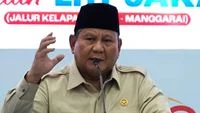
President Prabowo Subianto initially articulated the possibility of reallocating funds from the defense and police sectors during a large-scale harvest event with the TNI in Malang, East Java, on Friday, July 17, 2026. Addressing a gathering that included military personnel and local communities, President Prabowo highlighted the imperative of achieving greater efficiency in state spending. He specifically stated, "We will save our budget, make it efficient; if necessary, we will reduce the defense budget, reduce the police budget to eliminate poverty." This declaration underscored a strong commitment from the President to prioritize social welfare and poverty alleviation as central tenets of his administration’s policy agenda.
The President’s statement resonated with his broader electoral promises and strategic vision for Indonesia, which often intertwines national strength with the prosperity of its citizens. Throughout his political career and particularly during his presidential campaign, Prabowo has consistently advocated for a strong and self-reliant Indonesia, balanced with significant investments in human capital and social programs. His remarks in Malang were thus interpreted by many as a powerful signal of his intent to ensure that national resources are optimally utilized to address pressing social issues, even if it entails re-evaluating long-standing budgetary allocations for traditionally well-funded sectors like defense and security. The underlying philosophy appears to be one of flexible resource management, where national priorities can shift based on prevailing needs and strategic objectives.
Clarification from the State Secretariat: An Option, Not a Directive
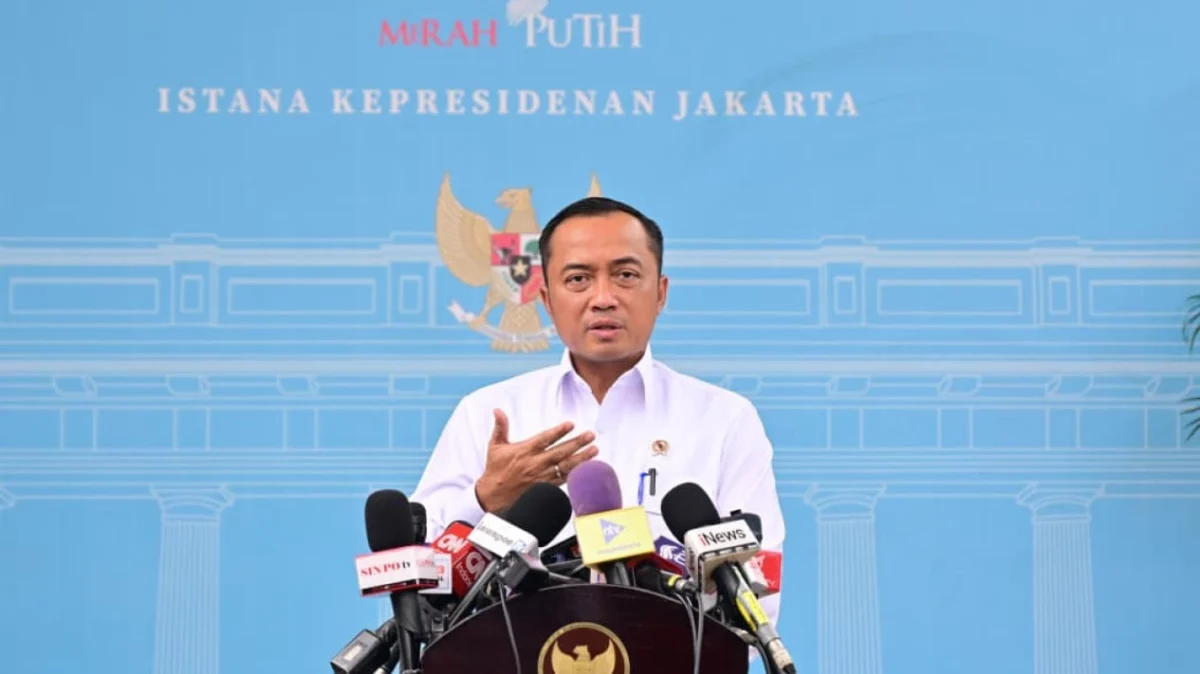
Just four days after President Prabowo’s initial comments, Minister State Secretary Prasetyo Hadi provided crucial clarification from the Presidential Palace in Central Jakarta. Speaking to journalists on July 21, 2026, Hadi reiterated that the President’s suggestion of cutting TNI-Polri budgets was merely a "possibility," a contingent measure to be considered only if economic circumstances truly necessitated such a drastic step. "Yes, it’s a possibility. A possibility means that if, indeed, it is needed in certain situations, then perhaps it will be done," Prasetyo Hadi explained, seeking to temper any immediate assumptions about impending budget cuts.
Hadi further elaborated that the government’s ongoing evaluation of the national economy painted a picture of considerable strength and stability. He emphasized that Indonesia’s economic fundamentals remain robust, and its fiscal space is well-managed. "But our evaluation results until today, thank God, our economic fundamentals are strong enough, our fiscal position is also very well maintained, especially concerning the budget deficit within the current annual State Budget (APBN), which is also very well managed," he affirmed. This assessment suggests that, as of mid-2026, the current economic climate does not present the kind of pressures that would demand extraordinary measures such like significant cuts to core security institutions. The Mensesneg’s statement served to reassure stakeholders that the government is not currently facing a fiscal crisis that would necessitate such immediate and impactful budget adjustments. Instead, it positions the President’s initial remarks as a forward-looking policy tool, a demonstration of preparedness and flexibility should unforeseen economic headwinds emerge.
Indonesia’s Economic Landscape and Fiscal Health
Indonesia, as Southeast Asia’s largest economy, has consistently demonstrated remarkable resilience in the face of global economic uncertainties. The government’s confidence in its strong economic fundamentals, as articulated by Prasetyo Hadi, is typically supported by several key indicators. These often include sustained Gross Domestic Product (GDP) growth rates, which have historically hovered around 5% annually, robust domestic consumption, and a growing middle class. Sound macroeconomic management, characterized by prudent monetary policy from Bank Indonesia and disciplined fiscal policy, has contributed to maintaining inflation within target ranges and ensuring a relatively stable rupiah exchange rate.
Robust Economic Indicators: The nation’s economic strength is further bolstered by its significant natural resources, a burgeoning digital economy, and strategic investments in infrastructure. Export performance, particularly in commodities and manufacturing, contributes substantially to foreign exchange reserves, which act as a crucial buffer against external shocks. Furthermore, foreign direct investment (FDI) inflows have remained consistent, reflecting investor confidence in Indonesia’s long-term growth prospects and stable political environment. These factors collectively create a foundation that allows the government to manage its finances without resorting to drastic austerity measures under normal circumstances.
State Budget (APBN) Management: The State Budget (APBN) is the primary instrument for the government’s economic policy and public service provision. Indonesia’s fiscal policy generally aims for a prudent budget deficit, often capped at 3% of GDP, in line with statutory limits. The government employs a multi-year fiscal planning framework to ensure sustainability and predictability in spending. Revenue generation relies on a mix of tax income, non-tax state revenue (PNBP), and customs duties. Expenditure is carefully allocated across various ministries and agencies to support national development goals, including infrastructure, education, health, and social welfare programs. The Mensesneg’s assertion that the APBN’s deficit is "very well maintained" indicates that current revenues are sufficient to cover planned expenditures without undue reliance on excessive borrowing, thus negating an immediate need for significant budget reallocations based on fiscal distress.
Context of Global Economic Volatility: Despite its domestic strengths, Indonesia operates within an interconnected global economy. Geopolitical tensions, commodity price fluctuations, and shifts in global demand can all exert pressure on national finances. The government’s consistent emphasis on fiscal prudence and efficiency, even during periods of relative stability, is a testament to its proactive approach to navigating these external volatilities. By continuously optimizing spending and maintaining healthy reserves, Indonesia aims to build resilience against potential future shocks, ensuring that critical sectors like defense, policing, and social welfare can continue to receive adequate funding without jeopardizing macroeconomic stability.
The Role and Budget of TNI-Polri
The Indonesian National Armed Forces (TNI) and the Indonesian National Police (Polri) are pillars of the nation’s security architecture, playing distinct yet complementary roles in safeguarding sovereignty, maintaining internal order, and supporting national development. Their budgetary allocations reflect the critical nature of their mandates.
National Security Imperatives: The TNI is responsible for defending the Republic of Indonesia from external threats, protecting its territorial integrity, and participating in international peacekeeping missions. This involves maintaining a modern military force across land, sea, and air, equipped with advanced weaponry and well-trained personnel. The Polri, on the other hand, is tasked with internal security, law enforcement, and crime prevention, ensuring public order and safety throughout the archipelago. Both institutions are vital for stability, which is a prerequisite for economic growth and social progress. Their budgets cover personnel salaries, operational costs, equipment procurement, training, and infrastructure development. Any significant reduction would naturally raise questions about the potential impact on national readiness, personnel welfare, and the ability to effectively respond to evolving security challenges, ranging from border security to counter-terrorism and cyber threats.
Historical Budget Allocation Trends: Historically, defense and police spending in Indonesia has been a substantial component of the state budget, reflecting the nation’s vast geography, diverse population, and regional security concerns. While specific figures fluctuate annually, these sectors typically receive a significant proportion of government expenditure, often ranking among the top recipients alongside infrastructure, education, and health. The government has, over the years, pursued modernization programs for both TNI and Polri, aiming to enhance their capabilities and professionalism. This has often involved substantial investments in new equipment, technology, and training initiatives to keep pace with regional and global security developments. Discussions around efficiency, even within these critical sectors, are not new and often focus on optimizing procurement processes, reducing non-essential expenditures, and ensuring that every rupiah spent contributes directly to core operational effectiveness and national security objectives.
Balancing Security with Welfare: The President’s remarks highlight a perennial dilemma faced by many developing nations: how to optimally balance investments in national security with pressing social and economic development needs. While a strong defense and police force are essential for creating a stable environment conducive to growth, excessive spending in these areas, particularly if deemed inefficient, can divert resources from critical social programs. Prabowo’s suggestion, even as an option, signals a willingness to scrutinize all budgetary allocations through the lens of national welfare. It prompts a debate on the marginal utility of additional spending in defense versus the direct impact of increased investment in areas like poverty alleviation, public health, and education. The government’s challenge lies in finding a dynamic equilibrium that ensures robust national security without compromising the equally vital goal of improving the living standards of all Indonesian citizens.
Poverty Alleviation as a National Priority
Poverty alleviation has consistently been a cornerstone of Indonesia’s national development agenda. Despite significant progress over the decades, a substantial portion of the population continues to live below the poverty line or remains vulnerable to falling back into poverty due to economic shocks. President Prabowo’s emphasis on this issue underscores its enduring importance and his administration’s commitment to accelerating its eradication.
Government’s Commitment: Successive Indonesian governments have implemented various strategies to reduce poverty and inequality. These efforts are guided by national development plans that aim for inclusive growth, ensuring that the benefits of economic progress reach all segments of society. The commitment extends beyond mere income support, encompassing broader initiatives to enhance human development, create employment opportunities, and improve access to essential services. The national target for poverty reduction is often ambitious, aiming to bring the percentage of people living in poverty down to single digits.
Key Programs and Challenges: Indonesia’s poverty alleviation strategy typically involves a multi-pronged approach. This includes direct cash transfer programs (PKH – Program Keluarga Harapan), subsidized staple food programs, and various forms of social assistance designed to provide safety nets for the most vulnerable. Beyond direct aid, significant investments are made in infrastructure development, particularly in rural areas, to improve connectivity, market access for farmers, and basic services like clean water and electricity. Education and health programs, such as universal healthcare (BPJS Kesehatan) and school assistance, are also critical components, aiming to break intergenerational cycles of poverty by improving human capital. Despite these efforts, challenges persist, including regional disparities, the impact of climate change on agricultural livelihoods, and the need for more effective targeting of beneficiaries to ensure programs reach those most in need.
Prabowo’s Emphasis on Welfare: President Prabowo Subianto’s direct link between potential defense budget cuts and poverty alleviation reflects a strong personal and political commitment to social welfare. His campaign rhetoric often highlighted the importance of a strong economy that serves the people, not just a select few. This vision aligns with the idea that a truly strong nation is one where its citizens are prosperous, healthy, and educated. By signaling a willingness to re-evaluate even traditionally sacrosanct budgets like defense and police for the sake of social programs, Prabowo aims to demonstrate a practical approach to governance, where fiscal flexibility can be leveraged to address the most pressing societal needs. This move could potentially galvanize public support and signal a re-prioritization of national resources towards achieving more equitable development outcomes.
Broader Implications and Expert Perspectives
President Prabowo’s remarks and the subsequent clarification from the State Secretariat carry significant implications across various sectors, prompting discussions among experts and stakeholders. The nuanced approach taken by the government reflects a careful balancing act between multiple critical national objectives.
Economic Analysts’ Views: Economic analysts generally commend a government’s commitment to fiscal prudence and efficiency. They would likely view the Mensesneg’s clarification as a responsible move, indicating that any budget reallocation would be data-driven and contingent on actual economic conditions rather than an arbitrary decision. Analysts often advocate for dynamic fiscal management, where resources can be re-prioritized based on evolving national needs and global economic shifts. They would stress the importance of maintaining fiscal stability, controlling the budget deficit, and ensuring that public spending is productive and stimulates sustainable growth. The idea of continuous efficiency drives, as mentioned by Prasetyo Hadi, aligns with best practices in public finance, aiming to maximize the impact of every taxpayer’s rupiah.
Defense and Security Perspectives: Within defense and security circles, the initial suggestion of budget cuts might spark debates regarding the potential impact on military readiness, personnel welfare, and modernization programs. While acknowledging the importance of poverty alleviation, defense analysts would likely emphasize the long-term strategic investments required to maintain a credible deterrent and ensure national sovereignty in a complex geopolitical environment. They might highlight the costs associated with upgrading equipment, training specialized units, and participating in regional security cooperation. However, there is also a recognition within these sectors of the need for efficiency and transparency in spending. Discussions would likely revolve around identifying areas where operational costs can be optimized without compromising core capabilities, or where procurement processes can be made more cost-effective. The Mensesneg’s clarification, emphasizing that cuts are an "option" rather than a definite plan, would likely reassure these stakeholders that decisions will be made thoughtfully and not impulsively.
Social Welfare Advocates’ Hopes: For social welfare advocates, civil society organizations, and development practitioners, President Prabowo’s initial statement represents a potentially positive shift in national priorities. The explicit link between reducing security spending and increasing poverty alleviation efforts aligns with their long-standing calls for greater investment in human development. They would likely view such a proposal as an opportunity to strengthen social safety nets, expand access to quality education and healthcare, and implement more targeted programs for marginalized communities. The clarification from the State Secretary, while tempering immediate expectations, still leaves open the possibility for future reallocations, which would be seen as a welcome sign of the government’s commitment to social equity.
Governance and Efficiency Drive: Beyond specific budget lines, the President’s and Mensesneg’s statements underscore a broader commitment to enhancing governance and efficiency across the entire public sector. Prasetyo Hadi explicitly mentioned ongoing efforts to "continuously strive to make inefficient and unproductive budgets more efficient." This indicates a systemic approach to optimizing government spending, identifying areas where impact is minimal, and re-channeling funds towards more productive and beneficial initiatives. This drive for efficiency is crucial for a developing nation like Indonesia, where every unit of public expenditure must deliver maximum value in terms of public service delivery, economic stimulus, and social welfare improvement. It signals a move towards performance-based budgeting, where accountability and measurable outcomes become paramount.
The Path Forward: Fiscal Prudence and Adaptive Policy
The discourse surrounding potential budget reductions for TNI and Polri, and the subsequent clarification, encapsulates the dynamic nature of fiscal policy in a developing nation with ambitious national goals. President Prabowo Subianto’s administration appears committed to a path of fiscal prudence, where resources are strategically allocated to achieve both national security and comprehensive social welfare. The Mensesneg’s statement effectively communicates that while poverty alleviation remains a top priority, any significant budgetary shifts would be undertaken only after thorough economic evaluation and when truly necessitated by prevailing conditions.
This adaptive policy approach ensures that Indonesia maintains its strong economic fundamentals while remaining flexible enough to respond to evolving challenges and opportunities. The emphasis on continuous efficiency drives across all government sectors suggests a systemic commitment to maximizing the impact of public funds. Ultimately, the "option" of reallocating funds highlights a responsive and responsible governance philosophy—one that is prepared to make difficult choices for the greater good of the nation, but only when such choices are strategically sound and economically justified. As Indonesia progresses into the latter half of the 2020s, the careful management of its state budget will be crucial in cementing its position as a resilient and prosperous nation, capable of addressing both its security needs and the welfare of its diverse population.