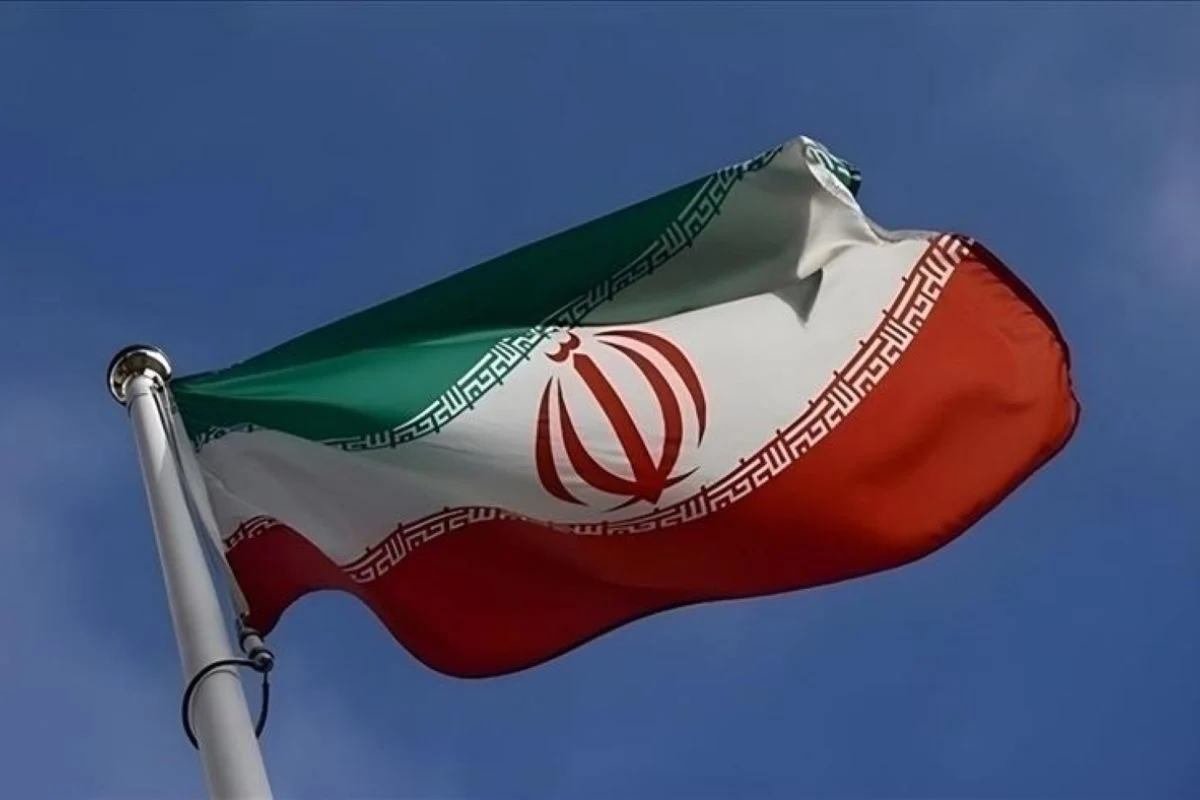
Jakarta (ANTARA) – The Iranian currency has been under intense global scrutiny, particularly in light of escalating geopolitical tensions and the far-reaching impact of international economic policies. A significant turning point occurred when the administration of former U.S. President Donald Trump reimposed stringent sanctions, including tariffs of up to 25 percent, on nations engaging in business with Iran. This aggressive "maximum pressure" campaign has profoundly impacted Iran’s economy, contributing to the severe weakening of its national currency, the rial. Recent reports have indicated the rial’s value plummeted to unprecedented lows against major international currencies like the euro, underscoring the immense economic strain from prolonged sanctions and persistent inflation.
Despite the rial being the legally recognized tender, a striking dichotomy exists within Iran’s domestic economy. Visitors exploring traditional bazaars or modern shopping centers will seldom hear the term "rial" in daily transactions. Instead, locals universally refer to prices in "toman." This widespread colloquial usage is a direct consequence of decades of hyperinflation, a coping mechanism adopted by the populace to simplify large numerical values that would otherwise be necessary to express prices in rials. This phenomenon often bewilders tourists and international economic observers alike, prompting questions about the actual official currency and the fundamental differences between the rial and the toman. A comprehensive understanding requires delving into the historical context, the nuances of Iran’s financial system, and the government’s recent ambitious reforms aimed at resolving this long-standing monetary dualism.
The Weight of Sanctions: A Historical Context
Iran’s economic vulnerabilities, particularly concerning its currency, are deeply rooted in a complex history of international relations, primarily with the United States. Following the 1979 Islamic Revolution, the U.S. imposed its first wave of sanctions, which have since evolved and intensified in response to various issues, including Iran’s nuclear program and alleged support for regional militant groups. The Joint Comprehensive Plan of Action (JCPOA), signed in 2015 between Iran and the P5+1 world powers, offered a brief period of economic respite as many international sanctions were lifted in exchange for curbs on Iran’s nuclear activities. However, this relief was short-lived.
In May 2018, the Trump administration unilaterally withdrew from the JCPOA, re-imposing and expanding a comprehensive suite of sanctions designed to exert "maximum pressure" on Tehran. These measures targeted critical sectors of the Iranian economy, most notably its oil exports, which are the lifeblood of the nation’s finances. Sanctions also crippled Iran’s access to the international banking system, stifled foreign investment, restricted its ability to import essential goods, and deterred international shipping and insurance companies from dealing with Iranian entities. The immediate consequence was a sharp decline in oil revenues, a drastic reduction in foreign currency reserves, and an accelerated depreciation of the rial. For example, before the JCPOA withdrawal, the rial traded at around 42,000 to the U.S. dollar in official markets; by late 2018, it had plummeted to over 100,000 rials per dollar, and it has since continued its volatile descent, often trading at significantly weaker rates on the unofficial market.
Iran’s Economic Landscape Under Persistent Pressure
The combination of international sanctions and domestic economic mismanagement has fostered an environment of chronic inflation within Iran. This inflation is not merely a recent phenomenon but a persistent challenge that has eroded the purchasing power of Iranian citizens for decades. Sanctions make imports more expensive, limit access to essential technologies and components, and force the government to print money to cover budget deficits, all contributing to rising prices. The official inflation rate, as reported by the Statistical Center of Iran, has frequently hovered in the double digits, often exceeding 40-50% annually in recent years, reaching peaks even higher during periods of extreme economic stress. For instance, in 2019-2020, inflation rates were persistently high, making it difficult for average Iranians to afford basic necessities.
This economic malaise has led to significant capital flight, reduced foreign direct investment to a trickle, and severely hampered the private sector’s ability to grow and create jobs. The official exchange rate often differs dramatically from the unofficial or black-market rate, which truly reflects the scarcity of foreign currency and market sentiment. Businesses often rely on the unofficial rate for their transactions, further complicating pricing and financial planning. The depreciation of the rial has had a profound impact on the daily lives of Iranians, leading to a decline in living standards, increased poverty, and a growing sense of economic uncertainty.
The Rial vs. Toman Conundrum: A Deep Dive into Monetary Dualism
At a legal and administrative level, the Iranian Rial (IRR) is unequivocally the official currency of the Islamic Republic of Iran. All formal banking operations, government documents, and price listings in major modern retail outlets are denominated in rials. The Central Bank of Iran (CBI) issues banknotes and coins in rials, and international financial transactions involving Iran recognize only the rial.
However, the reality on the ground presents a fascinating example of monetary dualism. In the everyday commerce of Iran – from bustling bazaars and street vendors to local shops and service providers – the term "toman" reigns supreme. This practice is not arbitrary but a deeply ingrained coping mechanism born from historical precedent and the practicalities of dealing with hyperinflation. Historically, before the introduction of the rial in 1932, the toman was indeed Iran’s official currency. When the rial replaced the toman, it was set at a rate of 1 toman = 10 rials. Over time, as inflation began to take its toll, the value of the rial diminished significantly. To simplify transactions and avoid the unwieldy string of zeros that would otherwise be required, Iranians instinctively reverted to using the toman as a mental accounting unit, essentially dropping a zero from the rial value.
This customary usage has evolved further due to extreme inflation. Today, one toman is colloquially understood to be equivalent to 10,000 rials, effectively representing the rial value with four zeros removed. This allows Iranians to quote prices in much smaller, more manageable numbers. For instance, if an item officially costs 600,000 rials, a vendor will typically quote the price as "60 toman." While this simplifies daily transactions for locals, it creates considerable confusion for foreign visitors and those unfamiliar with Iran’s monetary practices. Tourists often find themselves in situations where they are quoted a price in toman but pay in rials, sometimes leading to misunderstandings or accidental overpayments if they are not aware of the "four zero" rule. This informal redenomination has been a de facto solution for the public, highlighting the disconnect between the official currency and its practical application.
The Redenomination Initiative: A Bold Economic Reform
Recognizing the widespread confusion, the psychological burden of large numbers, and the administrative inefficiencies caused by the rial-toman dichotomy, the Iranian government and the Central Bank of Iran (CBI) have been pursuing a formal redenominational policy for over a decade. The idea gained serious traction in the late 2010s, culminating in a significant legislative step. In May 2020, the Iranian parliament approved a bill to formally change the national currency from rial to toman, effectively removing four zeros from the national currency.
The primary objectives of this ambitious reform are multifaceted:
- Simplification: To streamline financial transactions and accounting by eliminating the need to deal with excessively large numbers.
- Restoring Prestige: To psychologically bolster the value and credibility of the national currency, both domestically and internationally.
- Reducing Costs: To potentially reduce the costs associated with printing and handling large volumes of high-denomination banknotes.
- Aligning with Public Usage: To officially align the legal currency with the de facto currency used by the general public for decades.
Under the new scheme, 10,000 old rials will be officially converted into 1 new toman. The new toman will also be subdivided into smaller units called "qiran," with 1 toman equivalent to 100 qirans, similar to how many international currencies are divided into 100 cents or pence.
The implementation of this change is planned to be gradual, spanning a transitional period from 2025 to 2026. During this phase, both the old rial banknotes and the new toman notes will circulate concurrently, allowing the public and businesses time to adjust to the new system. New banknotes will initially feature smaller nominal values, often with faint or shadowed zeros to visually indicate the impending change and facilitate a smooth transition. The CBI is tasked with managing this complex process, ensuring public awareness campaigns, and adapting banking systems and automated teller machines (ATMs) to handle the new denominations.
Challenges and Potential Implications
While redenominating the currency is a significant administrative and psychological move, it is crucial to understand that it is largely a cosmetic change and not a magic bullet for Iran’s deep-seated economic problems. Critics argue that merely removing zeros without addressing the root causes of inflation – such as persistent budget deficits, U.S. sanctions, and an overreliance on oil revenues – will only provide temporary relief. Without fundamental economic reforms and a resolution to international tensions, the new toman could eventually suffer the same fate as the old rial, requiring further redenominations in the future. The cost of implementing such a large-scale currency change, including redesigning and printing new banknotes and coins, and updating financial infrastructure, is also substantial.
However, proponents of the reform, including officials from the Central Bank of Iran, emphasize the psychological benefits. They hope that by presenting a currency with smaller nominal values, public confidence might be restored, and the perception of economic stability could improve, even if the underlying economic challenges remain. It could also simplify reporting and analysis for international financial institutions, making Iran’s economic data more comparable.
Official Responses and Broader Impact
Iranian officials, including the Governor of the Central Bank and spokespersons for the economic ministry, have consistently presented the redenominational plan as a necessary step towards modernizing the country’s financial system and combating the psychological effects of hyperinflation. They acknowledge the challenges but underscore the long-term benefits of aligning the official currency with public usage.
The broader impact extends beyond mere convenience. For domestic commerce, the simplification could reduce errors and improve efficiency in transactions. For international trade, once underlying economic conditions allow for greater engagement, a more stable and understandable currency unit could facilitate smoother dealings, though the primary barrier remains sanctions. For the average Iranian citizen, the change could bring a sense of relief from the burden of handling huge sums, but their daily struggle against rising prices and diminishing purchasing power will continue until the fundamental economic pressures are alleviated. The success of the toman as a stable currency ultimately hinges on the government’s ability to control inflation, foster economic growth, and navigate the treacherous waters of international geopolitics.
In conclusion, Iran’s currency saga is a microcosm of its broader economic and geopolitical struggles. The transition from the rial to the new toman, while a significant administrative undertaking, represents an attempt to bring order and clarity to a monetary system battered by sanctions and inflation. Yet, this reform alone cannot insulate Iran from the powerful external forces and internal challenges that continue to shape its economic destiny. The true test of the new toman’s resilience will be its ability to withstand the ongoing pressures and serve as a stable foundation for Iran’s future economic development.
Pewarta: Sean Anggiatheda Sitorus
Editor: Suryanto
Copyright © ANTARA 2026
Dilarang keras mengambil konten, melakukan crawling atau pengindeksan otomatis untuk AI di situs web ini tanpa izin tertulis dari Kantor Berita ANTARA.