
The Indonesian entertainment landscape has long been fascinated by the lives of celebrity siblings, but few pairings have garnered as much consistent public attention as Hasyakyla Utami Kusumawardhani and Adhisty Zara Sundari Kusumawardhani. Known professionally as Hasyakyla and Adhisty Zara, these two sisters from Bandung have transitioned from their beginnings as teenage idols in the nation’s most prominent girl group to becoming influential figures in film and digital media. Their relationship, characterized by a blend of fierce public defense and candid, sometimes abrasive, sibling rivalry, offers a compelling study of the pressures and dynamics faced by young stars in the modern era of social media transparency.
From Musical Heritage to the JKT48 Stage
The journey of Hasyakyla and Adhisty Zara is rooted in a significant artistic lineage. They are the granddaughters of Acil Bimbo, a legendary figure in the Indonesian music group Bimbo. This heritage provided a foundational connection to the arts, which the sisters pursued by joining the fifth generation of JKT48, the Jakarta-based sister group of the Japanese idol phenomenon AKB48.
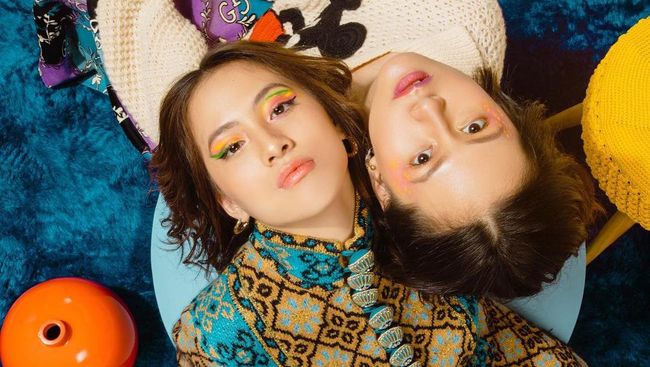
Entering the group in 2016, both sisters were quickly identified as rising stars within the 5th generation. The JKT48 system, known for its rigorous training, strict "golden rules" regarding personal conduct, and a highly competitive environment where members vie for "Senbatsu" (selected member) positions, served as a professional crucible for the pair. While they shared the stage as idols, their trajectories within the group began to diverge early on. Adhisty Zara rapidly ascended to become one of the group’s "centers," a position that placed her at the forefront of performances and marketing campaigns. Hasyakyla, while also a respected member, developed a distinct persona that hinted at a desire for more individualistic expression beyond the synchronized requirements of an idol group.
The Transition to Cinematic Success
The transition from the idol stage to the silver screen marked a turning point in their careers. Adhisty Zara’s breakout role came in the 2018 blockbuster Dilan 1990, where she played Disa, the younger sister of the titular character. Her performance was met with critical acclaim, leading to more substantial roles in high-profile films such as Keluarga Cemara and the provocative social drama Dua Garis Biru (2019). The latter film, which addressed the sensitive topic of teenage pregnancy, catapulted Zara into the upper echelons of Indonesian cinema, earning her nominations for Best Actress at the Indonesian Movie Actors Awards and the Maya Awards.
Hasyakyla, meanwhile, pursued a more measured entry into acting. Choosing to focus on web series and independent projects, she carved out a niche for herself as an actress capable of handling nuanced, character-driven roles. Her work in series like Sajadah Panjang demonstrated a maturity and depth that distinguished her from the "idol" archetype. This divergence in their career paths—Zara as the mainstream cinematic "it-girl" and Kyla as the edgy, selective actress—provided the first catalyst for public comparison, a theme that would define their public image for years to come.

The Public Narrative of Sibling Rivalry and Comparison
As both sisters grew in prominence, the Indonesian public and media outlets frequently compared their achievements, appearances, and personalities. This phenomenon, common among celebrity siblings, was amplified by the sisters’ own transparency on social media platforms like X (formerly Twitter) and Instagram. Unlike many celebrities who maintain a polished, unified front, Hasyakyla and Zara have been notably open about the friction in their relationship.
The sisters have frequently engaged in what fans describe as "perang kecil" or small wars—public exchanges of sarcasm, sharp-tongued rebuttals, and candid admissions of annoyance. These interactions often center on typical sibling grievances, such as borrowed clothes or personality clashes, but in the context of their fame, these moments are often misinterpreted by the public as genuine animosity. However, industry analysts suggest that this transparency is part of their appeal to Generation Z, who value authenticity over the curated perfection of previous celebrity generations.
Navigating Crisis and Mutual Defense
The true nature of the bond between Hasyakyla and Adhisty Zara is perhaps most visible during times of personal or professional crisis. Despite their public bickering, the sisters have consistently acted as each other’s fiercest protectors when facing external scrutiny.
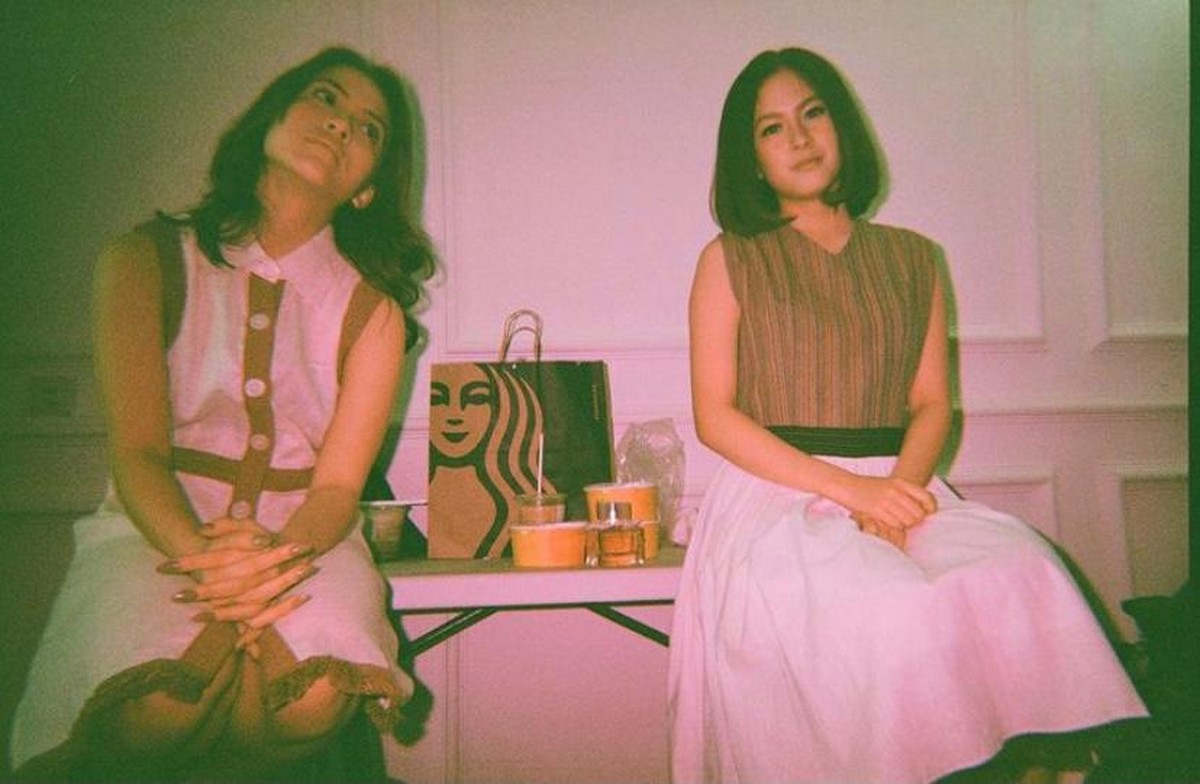
Adhisty Zara has faced significant public backlash on several occasions due to leaked videos and personal controversies that went viral on social media. During these periods of intense "cancel culture" and online harassment, Hasyakyla’s response was multifaceted. While she occasionally expressed her own disappointment or clarified that she was a separate individual with her own values, she also stood as a bulwark against the more vitriolic attacks directed at her sister. In various statements, Kyla has emphasized that while she may disagree with her sister’s actions, the bond of family is non-negotiable.
Conversely, Zara has also "put her body on the line" (pasang badan) to defend Hasyakyla. When Kyla faced criticism for her own social media posts or personal choices, Zara often used her platform to silence critics, reminding the public that their family matters are private and that her sister’s character should not be judged by isolated incidents. This "us against the world" mentality has become a hallmark of their relationship, proving that their loyalty runs deeper than any public spat would suggest.
Chronology of Key Milestones
To understand the evolution of their relationship and careers, a timeline of key events is essential:
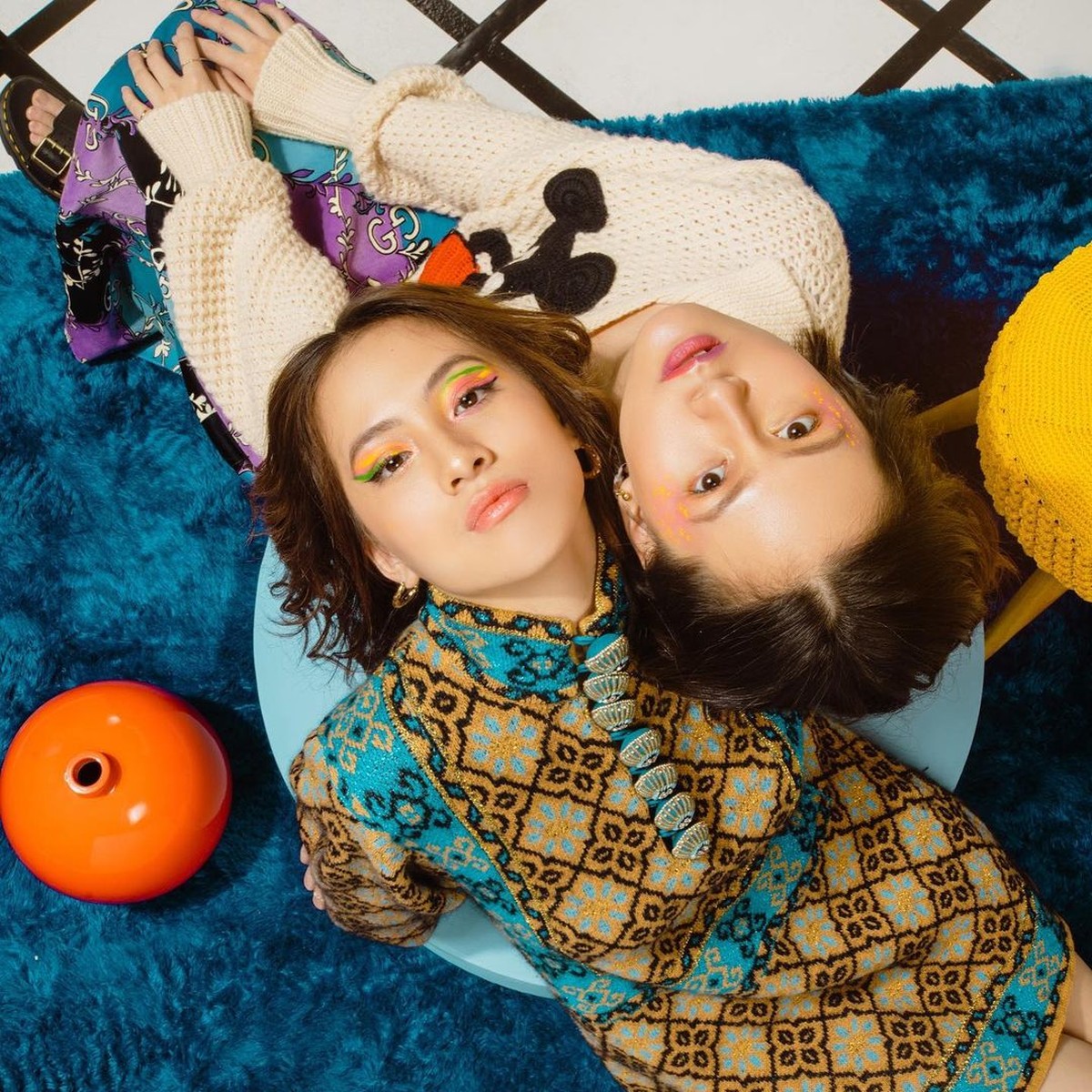
- 2016: Both Hasyakyla and Adhisty Zara debut as members of JKT48’s 5th Generation.
- 2018: Zara makes her film debut in Dilan 1990, signaling a shift toward acting.
- 2019: Zara stars in Dua Garis Biru, achieving mainstream stardom; Hasyakyla graduates from JKT48 to pursue a solo career.
- 2020-2021: Zara faces major social media controversies; Kyla balances public criticism with private support, highlighting the complexity of their bond.
- 2022-2023: Both sisters solidify their individual brands. Kyla focuses on digital content and series, while Zara continues to lead major film productions like Virgo and the Sparklings.
- 2024: The sisters continue to appear in joint interviews and social media content, embracing their "tom and jerry" dynamic which has become a staple of their public identity.
Analyzing the Impact of the "Sisterhood Brand"
The dynamic between Hasyakyla and Adhisty Zara has broader implications for how celebrity is managed in Indonesia. Their willingness to show the "ugly" side of sibling relationships—the arguments, the jealousy, and the disagreements—has created a new template for relatability. In an industry that often demands young women be either "sweet and innocent" or "rebellious and controversial," the sisters occupy a middle ground of being "real."
Furthermore, their story highlights the challenges of the "Idol to Actor" pipeline. In the Indonesian context, former JKT48 members often struggle to shed the "Idol" label. By diversifying their roles and being vocal about their personal growth, both Hasyakyla and Zara have successfully transitioned into serious acting, though they have done so at different speeds and through different genres.
The economic impact of their relationship is also noteworthy. Brands often seek them out for joint campaigns, capitalizing on their contrasting personalities. This "duality" allows them to appeal to a wider demographic—Zara attracting the mainstream, younger audience and Kyla appealing to a more alternative, outspoken segment of the youth.

Conclusion: A Resilient Legacy
As Hasyakyla and Adhisty Zara continue to mature within the entertainment industry, their relationship serves as a testament to the resilience of familial bonds under the spotlight. They have navigated the transition from childhood performers to adult professionals while under constant observation, managing to maintain their individuality despite the public’s insistence on grouping them together.
While the "perang kecil" and sharp-tongued social media posts may continue to make headlines, the underlying foundation of their relationship is one of mutual support and shared history. From the rehearsal rooms of JKT48 to the red carpets of film premieres, Hasyakyla and Adhisty Zara remain two of Indonesia’s most fascinating figures, proving that in the volatile world of show business, having a sister who will both call you out and stand up for you is an invaluable asset. Their story is not just one of celebrity, but a modern narrative of sisterhood, growth, and the enduring power of family in the digital age.