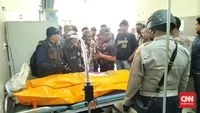
Kupang, CNN Indonesia — All bodies of the victims from the bloody clash in East Adonara, East Flores, East Nusa Tenggara (NTT), have been successfully evacuated, including one that had been lying on a public road, finally transported to Adonara Pratama Hospital. The immediate aftermath of the violent confrontation saw significant efforts by local authorities and community leaders to restore order and ensure the dignified recovery of the deceased. The incident, which erupted on Saturday morning, July 18, 2020, between two groups of youths, left a deep scar on the communities involved and underscored the persistent challenges of inter-communal tensions in the region.
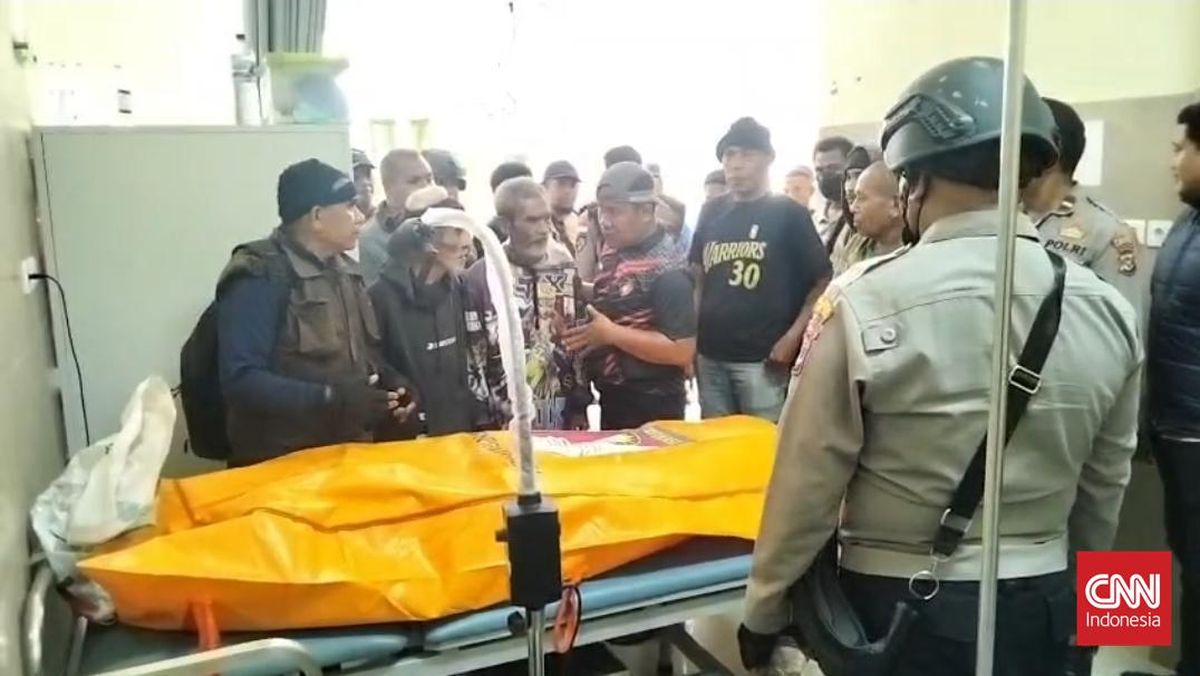
AKBP Adhitya Octorio Putra, the Head of the East Flores Police, confirmed the successful evacuation. He stated that the bodies were taken to the morgue for identification and post-mortem examination (Visum et Repertum – VER) following extensive negotiations involving the Regional Leadership Coordination Forum (Forkopimda) and local community leaders. "The body has been successfully transported to Pratama Hospital," Adhitya told CNNIndonesia.com on Saturday afternoon, July 18. This particular body belonged to a man approximately 60 years old, a resident of Narasaosina Village, believed to have died from machete wounds during the intense conflict. The negotiation process was critical, as initial attempts to retrieve the body were hampered by the presence of a large crowd, highlighting the volatile situation on the ground.
The clash, which pitted two groups of youths from Lewonara Hamlet in Narasaosina Village against those from Bele Hamlet in Waeburak Village, both within East Adonara District, resulted in the deaths of three individuals. According to Adhitya, two of the victims were residents of Narasaosina Village, and one was from Waeburak Village. Two of the three victims had already been reunited with their respective families. However, the third victim, the elderly man from Narasaosina, remained unevacuated until late afternoon, lying on Waiburak Road in front of the Waiburak Mosque. Medical personnel and ambulances were present but unable to access the body due to the obstructing crowd. It was only after concerted efforts by Forkopimda and community elders that the crowd dispersed, allowing the body to be moved.
Chronology of the Deadly Confrontation
The tragic events unfolded swiftly on Saturday morning, July 18, 2020. The initial reports indicated a violent confrontation between two factions of young men. While the exact trigger remains under investigation, such incidents in the region often stem from long-standing grievances, land disputes, or minor altercations that escalate rapidly. The intensity of the clash suggested a deep-seated animosity between the groups, leading to the use of sharp weapons, which ultimately claimed three lives.
By mid-morning, the full extent of the tragedy became apparent, with three individuals confirmed dead. The immediate aftermath was chaotic, marked by heightened tensions and the presence of angry crowds. One of the bodies, that of the 60-year-old man from Narasaosina Village, remained on the main road in Waiburak, a poignant and disturbing scene that underscored the volatile nature of the conflict. The presence of the unevacuated body served as a stark reminder of the violence and became a focal point for the crowd’s anger and grief, complicating recovery efforts.
Throughout the early afternoon, local authorities, including the police and members of Forkopimda, engaged in delicate negotiations with the agitated masses. The objective was two-fold: to de-escalate the situation and to secure permission for the safe retrieval of the deceased. These negotiations were crucial, involving not only security forces but also respected community and religious leaders who could appeal to the residents for calm and cooperation. Eventually, around 2:00 PM WITA (Central Indonesia Time), these efforts bore fruit, and the crowd allowed medical teams and ambulances to access and transport the final body to Adonara Pratama Hospital. The successful evacuation marked a critical turning point, allowing for the formal identification and forensic examination of the victim.
Intensified Security Response and Stabilization Efforts
In the wake of the deadly clash, the security situation in East Adonara remained precarious. While the immediate crowds began to disperse and return to their homes, the underlying tensions persisted. To prevent any further escalation and maintain peace, dozens of security personnel from both the Indonesian National Armed Forces (TNI) and the Indonesian National Police (Polri), fully armed, were deployed to the conflict zone. Their visible presence was intended to act as a deterrent and to reassure the local populace that order would be maintained.
Further bolstering the security apparatus, Kombes Afrizal Asri, the Commander of the NTT Regional Police Mobile Brigade (Brimob) Unit, confirmed the deployment of additional forces. "There are 32 personnel being moved to Adonara," Afrizal stated when contacted on Saturday afternoon. These Brimob personnel, specialized in riot control and high-intensity security operations, were dispatched from Maumere, the capital of Sikka Regency, indicating the seriousness with which provincial authorities viewed the situation. The deployment of Brimob signified a strategic move to reinforce local police units, ensure robust security patrols, and establish a more stable environment conducive to investigations and peacebuilding initiatives. Their presence aimed to prevent retaliatory actions and facilitate dialogue between the warring factions.
The increased security presence was not merely about force projection but also about creating a safe space for community leaders and government officials to engage in reconciliation efforts. Patrolling the affected areas, monitoring potential flashpoints, and engaging with residents were integral parts of their mandate. The immediate objective was to ensure that no new outbreaks of violence occurred while the underlying causes of the conflict could be thoroughly investigated and addressed.
Broader Context and Underlying Tensions in Adonara and NTT
Adonara Island, part of the Solor Archipelago in East Flores Regency, NTT, is characterized by its predominantly agrarian and maritime communities. Like many remote islands in Indonesia, it faces unique socio-economic challenges, including limited infrastructure, dependence on natural resources, and sometimes, historical grievances that can simmer beneath the surface. Inter-communal conflicts in NTT are not uncommon and often stem from a complex interplay of factors such as land disputes, resource competition (e.g., fishing grounds, water access), political rivalries, and even socio-cultural differences. While the specific cause of this particular clash remains under investigation, it is plausible that such underlying tensions contributed to its rapid escalation.
The region’s history includes instances of localized conflicts, which, if not managed effectively, can flare up with devastating consequences. The "two groups of youths" mentioned in the report often represent factions linked by village, clan, or even specific economic interests, making conflict resolution intricate. The involvement of traditional leaders (tokoh masyarakat) alongside government officials in the negotiation process is crucial in such contexts, as their authority and influence within their respective communities are vital for de-escalation and long-term peace. The traditional customary law (adat) often plays a significant role in mediating disputes, and integrating it with formal legal processes is key to sustainable conflict resolution.
The geography of NTT, an archipelago province with diverse ethnic and religious groups, further complicates security management. Remote islands and scattered communities can be challenging to police effectively, making rapid response and sustained presence difficult without significant resource allocation. This incident in Adonara serves as a stark reminder of the vulnerability of such communities to internal strife and the critical need for proactive conflict prevention strategies.
Official Statements and Calls for Peace
Following the tragic events, various officials reiterated calls for peace, calm, and adherence to the rule of law. Beyond the police chief’s operational updates, statements from higher provincial authorities would typically emphasize the importance of unity and the rejection of violence. The Governor of NTT, for instance, would likely issue a strong condemnation of the violence, urging all parties to refrain from further acts of aggression and to trust the legal process.
"We deeply regret the loss of life in Adonara," a hypothetical statement from the NTT Governor might read. "Such acts of violence have no place in our society. I urge all communities in East Adonara to remain calm, exercise restraint, and allow law enforcement to conduct a thorough and impartial investigation. Our priority is to restore peace, ensure justice for the victims, and support the affected families. We must work together to address the root causes of these conflicts and foster a culture of dialogue and understanding."
Local government leaders, such as the Regent of East Flores, would also be instrumental in spearheading reconciliation efforts. Their statements would likely focus on community engagement, the establishment of dialogue forums, and the provision of assistance to those affected. The role of religious leaders, who often command significant respect across communal lines, is also pivotal in promoting messages of peace and forgiveness. Through sermons and community gatherings, they can help temper animosity and encourage constructive engagement.
Implications and Future Outlook
The deadly clash in East Adonara carries several significant implications for the region. Firstly, it underscores the fragility of peace in areas with underlying tensions. Without sustained efforts to address root causes, minor disputes can quickly escalate into fatal confrontations. The incident also highlights the critical role of law enforcement and local government in proactive conflict prevention and rapid response. The successful evacuation of the final body, albeit delayed, demonstrated the effectiveness of coordinated efforts between security forces and community leaders.
Secondly, the event will undoubtedly have a profound impact on social cohesion within the affected villages. Rebuilding trust and repairing relationships between Narasaosina and Waeburak will be a long and arduous process. This will require sustained peacebuilding initiatives, including inter-village dialogues, cultural exchanges, and joint community development projects that foster a sense of shared destiny rather than division. Formal reconciliation ceremonies, often steeped in traditional customs, could also play a crucial role in healing the rifts.
Thirdly, the economic implications, though not immediately apparent, could be significant. Prolonged instability can deter investment, disrupt local trade, and impact livelihoods, particularly for communities reliant on agriculture and fishing. The diversion of resources towards security and conflict resolution also means fewer resources for development initiatives.
Looking ahead, a comprehensive approach is needed. This includes:
- Thorough Investigation and Justice: Identifying and prosecuting those responsible for the deaths is paramount to prevent impunity and deter future violence. This must be conducted transparently and impartially to gain the trust of all parties.
- Conflict Resolution Mechanisms: Strengthening local traditional and formal mechanisms for resolving disputes, particularly those related to land and resources, is crucial. This could involve establishing neutral mediation bodies or empowering existing community councils.
- Socio-Economic Development: Addressing poverty and inequality, which often exacerbate tensions, through targeted development programs that create opportunities for youth and improve livelihoods.
- Education and Awareness: Promoting messages of peace, tolerance, and respect for diversity through educational programs and public awareness campaigns.
- Long-term Security Presence: While immediate security deployments are essential, a sustained, community-oriented policing strategy that builds trust between law enforcement and residents is vital for long-term stability.
The Adonara clash serves as a somber reminder that peace is a continuous endeavor, requiring constant vigilance, dedicated resources, and the active participation of all stakeholders—from government officials and security forces to community elders and individual citizens—to ensure that violence does not overshadow the potential for harmonious coexistence in East Flores. The ongoing investigation and subsequent actions will be critical in determining the path forward for the affected communities and for setting a precedent for conflict management in the broader NTT region.