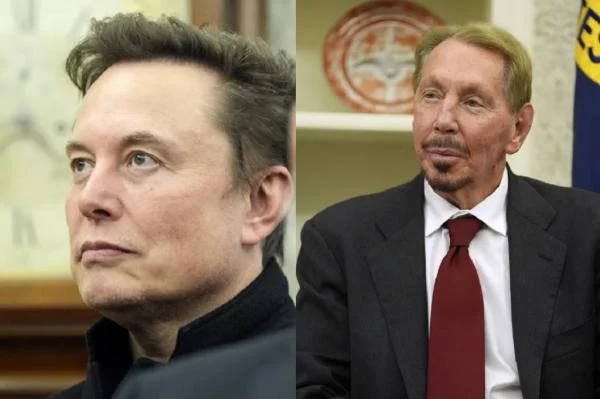
The landscape of global wealth experienced a seismic shift on Wednesday, November 25, 2026, as the world’s wealthiest individuals saw their net worths plummet by more than 250 billion dollars—a figure equivalent to approximately 4,588 trillion Indonesian Rupiah. This staggering decline in paper wealth was primarily triggered by a sharp and widespread correction in the technology sector, with particular emphasis on companies heavily exposed to the artificial intelligence (AI) boom. According to data tracked by Forbes, the volatility impacted 1,738 billionaires, marking one of the most significant single-day retreats in equity valuations seen in recent years.
The sell-off followed two consecutive days of decline in major United States stock indices, effectively erasing the cautious optimism that had surfaced earlier in the week. Investors, driven by concerns over valuation bubbles, geopolitical tensions, and shifting macroeconomic signals, moved to liquidate positions in high-growth tech firms that have served as the primary engines of market expansion throughout 2026.
The Epicenter of the Crash: Tech Titans Under Pressure
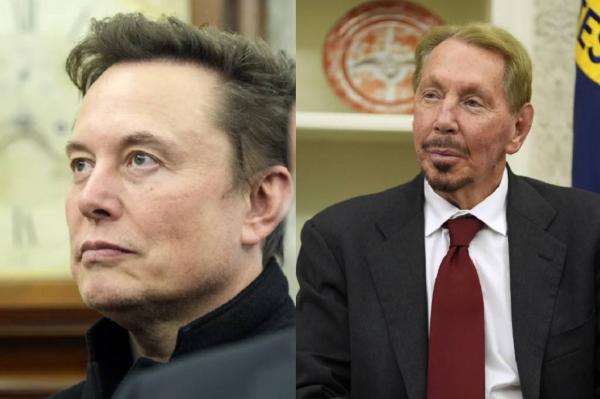
The brunt of the losses was concentrated among a select group of "megacap" tech billionaires. Eight individuals—Elon Musk, Larry Page, Jeff Bezos, Jensen Huang, Sergey Brin, Larry Ellison, Michael Dell, and Mark Zuckerberg—collectively saw their net worths diminish by 132.8 billion dollars (Rp2,437 trillion), representing more than half of the total global loss recorded during the session.
Elon Musk, the CEO of Tesla and SpaceX, bore the heaviest burden of the market’s wrath. By mid-morning on Wednesday, Musk’s total wealth had contracted by 63.8 billion dollars (Rp1,170 trillion), pulling his total assets below the 800 billion dollar threshold. This downturn was compounded by specific performance issues within his portfolio; SpaceX shares dipped by 7.1 percent, while Tesla faced a 5.1 percent decline as of 10:45 a.m. local time. The drop in Tesla’s valuation is particularly illustrative of the broader market sentiment, as investors scrutinized the company’s ability to maintain its aggressive growth targets in a tightening credit environment.
Chronology of the Market Turbulence
The events of November 25 did not occur in a vacuum. The week began with a brief glimmer of hope as markets attempted a recovery on Monday, November 23. However, the momentum failed to sustain itself as institutional investors began rebalancing portfolios ahead of the month-end.
- Monday, Nov 23: Markets show signs of recovery, with tech stocks stabilizing after a period of high volatility.
- Tuesday, Nov 24: Initial signs of weakness emerge as sector-specific data suggests a cooling in AI infrastructure investment. Investors begin to express skepticism regarding the short-term profitability of massive capital expenditures in AI data centers.
- Wednesday, Nov 25: The "Great Sell-Off" occurs. Major indices open lower and accelerate their descent. By midday, the collective loss for the world’s 1,738 billionaires exceeds the 250 billion dollar mark.
The shift in investor appetite suggests a transition from growth-at-any-cost to a focus on fundamental earnings quality. As AI-related companies have enjoyed unprecedented valuations based on future promises, any indication of slowing demand or regulatory hurdles has triggered immediate and aggressive profit-taking.
The AI Bubble Debate and Market Valuations
The decline in wealth among figures like Jensen Huang, the CEO of Nvidia, highlights the inherent risk in the current AI-centric market. Nvidia, which has been the primary beneficiary of the global AI hardware race, has seen its stock price fluctuate wildly in response to shifting sentiment. While Huang has experienced periods of massive wealth accumulation—recently bolstered by his return to the helm of his company—the volatility has proven to be a double-edged sword.
Analysts note that the "AI Gold Rush" has pushed price-to-earnings (P/E) ratios to historic highs. When a market is priced for perfection, even minor disruptions in the supply chain or a cooling in tech enterprise spending can result in double-digit percentage drops in market capitalization. This correction represents a recalibration of risk. Investors are currently weighing the long-term potential of generative AI against the immediate reality of high interest rates and the potential for slowing global economic growth.
Impact on Global Wealth Distribution
The concentration of wealth in a small group of tech moguls makes the global billionaire index highly sensitive to shifts in the NASDAQ and other tech-heavy indices. When these stocks fall, the total net worth of the billionaire class experiences extreme volatility.
The losses on November 25 serve as a reminder that much of this wealth is liquid only in theory. For founders and major shareholders, these fluctuations represent changes in the value of their equity stakes rather than a loss of cash flow. However, the psychological impact on the market cannot be ignored. When the wealthiest individuals see their net worths evaporate in hours, it signals a broader retreat from risk, which can dampen consumer confidence and corporate investment plans.
Official Reactions and Analyst Perspectives
While the firms involved have maintained a policy of silence regarding daily stock fluctuations, industry analysts have been quick to weigh in. "What we are witnessing is not necessarily a collapse of the AI industry, but a necessary correction of an overheated market," says Marcus Thorne, a senior equity analyst at a global investment firm. "The valuations of companies like Tesla, Nvidia, and the major cloud providers had reached levels that were difficult to justify even with optimistic growth projections. The market is currently resetting to a more sustainable equilibrium."
Other experts point to the broader macroeconomic environment. With inflationary pressures lingering in several major economies and central banks maintaining a cautious stance on interest rate cuts, the cost of capital remains high. This environment makes it increasingly difficult for capital-intensive tech projects to maintain the sky-high valuations that characterized the first half of 2026.
Broader Implications for the Future
The implications of this sell-off extend beyond the personal fortunes of billionaires. If the downturn persists, it could lead to:
- Slowing Venture Capital Investment: A decline in public market valuations often leads to a "trickle-down" effect in the startup ecosystem, making it harder for early-stage AI firms to raise capital.
- Corporate Spending Review: Large corporations may reassess their AI budgets, moving from experimental phases to a more rigorous cost-benefit analysis.
- Increased Regulatory Scrutiny: Periods of high market volatility often attract the attention of financial regulators, who may look more closely at the role of high-frequency trading and algorithmic selling in exacerbating market drops.
As the markets look toward the end of the year, the focus remains on whether this correction is a temporary dip or the beginning of a sustained trend. The resilience of the tech sector has been tested before, and in every instance, it has eventually rebounded. However, the scale of the November 25 loss serves as a stark reminder of the fragility of wealth in an era dominated by rapid technological disruption and interconnected global markets.
For now, the world’s wealthiest individuals remain in a holding pattern, waiting for signs of stabilization. Whether this correction marks the end of the hyper-growth phase of the AI era or merely a temporary pause in a much longer narrative of technological evolution remains the primary question facing global investors today. As the dust settles from the November 25 session, the focus for the coming weeks will be on quarterly earnings reports and macroeconomic data that will determine if the optimism surrounding the AI revolution can regain its footing or if the market is headed for a more prolonged winter.