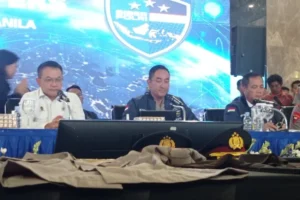
The Office of the Attorney General of the Republic of Indonesia (Kejaksaan Agung) has executed a significant blow against illicit financial practices within the extractive industry, announcing the seizure of Rp55.8 billion in cash and 37.8 kilograms of gold bullion. These assets are directly linked to an ongoing investigation into a massive money laundering scheme (TPPU) stemming from the mismanagement of nickel mining operations in Southeast Sulawesi, covering the period between 2013 and 2025. This operation marks a pivotal escalation in the state’s efforts to reclaim illicit gains from the lucrative but often opaque nickel sector, which serves as a cornerstone of Indonesia’s downstream industrial strategy.
The legal proceedings have now expanded beyond corporate entities to include individuals of significant influence. Following the earlier designation of PT BSJ Tbk as a suspect, investigators have officially named Arif Kurniawan, known colloquially as the "Nickel King," as a suspect in his capacity as the beneficial owner of the firm. The determination came after the Junior Attorney General for Special Crimes (Jampidsus) compiled a substantial body of evidence, signaling a rigorous pursuit of accountability for those who profited from the systemic exploitation of mineral resources.
Chronology and Investigative Progress
The investigation into the nickel mining sector in Southeast Sulawesi has been a long-term undertaking by the Jampidsus division. The case revolves around allegations of illegal mining, regulatory evasion, and the subsequent laundering of proceeds derived from these activities. Between 2013 and 2025, the region saw an unprecedented boom in nickel production, driven by the global transition toward electric vehicle (EV) batteries. However, this growth was frequently accompanied by reports of environmental degradation and the circumvention of mining permit requirements.
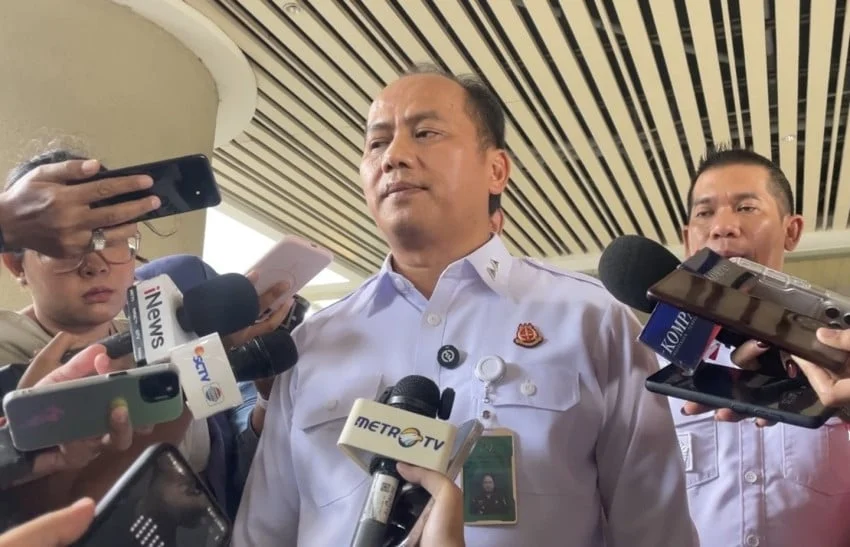
In the months leading up to the recent asset seizure, the investigative team conducted a comprehensive sweep. According to the Head of the Legal Information Center (Kapuspenkum) at the Attorney General’s Office, Anang Supriatna, the legal determination of suspects was the culmination of an exhaustive evidentiary process. The investigation involved:
- The examination of 60 individual witnesses, including former corporate employees, government officials, and financial experts.
- The engagement of forensic accounting experts to calculate the total loss incurred by the state due to tax evasion and illegal extraction.
- The consultation of legal experts specializing in money laundering to trace the movement of funds from the mining operations to personal offshore and domestic accounts.
The seizure of the 37.8 kilograms of gold and the cash equivalent of Rp55.8 billion was conducted under the authority of court-sanctioned warrants. These assets were identified as proceeds of crime linked to the suspect’s control over PT BSJ Tbk. The documentation involved in the case is extensive, with investigators gathering approximately 4,000 documents and 71 electronic evidence items, all of which have been officially validated by the relevant district courts to ensure the integrity of the prosecution’s case.
The Role of Beneficial Ownership in Mining Fraud
The designation of Arif Kurniawan as a suspect highlights the growing focus of Indonesian law enforcement on "beneficial owners." In the context of the Indonesian mining industry, beneficial owners are individuals who exert ultimate control over a company, often using complex corporate structures to shield themselves from legal liability.
The nickname "Nickel King" attached to Kurniawan reflects the outsized influence he held within the Southeast Sulawesi mining landscape. By operating through shell companies or entities like PT BSJ Tbk, suspects in such cases often manage to siphon off profits while externalizing the environmental and social costs to the local population. The Attorney General’s Office has made it clear that identifying the true beneficiaries—rather than just the nominal directors—is essential to dismantling the illicit financial networks that plague the mining sector.
As of late 2026, reports have surfaced indicating that Kurniawan may have relocated abroad. In response, the Attorney General’s Office has initiated coordination with international legal bodies and immigration authorities to implement travel bans and, if necessary, extradition requests. This international dimension underscores the complexity of the case and the state’s determination to ensure that suspects do not evade justice through flight.
Official Statements and Legal Standards
Anang Supriatna, in his address on November 25, 2026, emphasized that the investigation was conducted with a high degree of professionalism and adherence to the principle of the presumption of innocence. "The investigative team has obtained sufficient evidence through a series of actions carried out in a deep, professional, and accountable manner, while maintaining the principle of caution," Anang stated.
The rigorous process of collecting evidence, including the audit of state losses, is intended to withstand the scrutiny of the Anti-Corruption Court. The Attorney General’s Office recognizes that cases of money laundering in the mining sector are notoriously difficult to prosecute due to the layering of transactions. By focusing on the flow of capital and the physical assets seized, the prosecution aims to establish a clear nexus between the criminal activity—the unauthorized mining—and the resulting financial gain.
Contextualizing the Nickel Industry Boom
To understand the scale of this case, one must consider the strategic importance of nickel in Indonesia. Indonesia holds the world’s largest nickel reserves, and since 2020, the government has implemented a strict ban on raw ore exports to encourage domestic smelting and refining. While this policy has successfully attracted billions of dollars in foreign direct investment (FDI), it has also created a high-pressure environment where competition for mining concessions is fierce.
The 2013-2025 period encompasses both the pre-ban era, characterized by rapid expansion and often loose oversight, and the post-ban era, where compliance with environmental and administrative regulations became more stringent but also more lucrative to circumvent. The case against PT BSJ Tbk and its beneficial owner serves as a warning that the government’s "downstreaming" policy is not a license for unregulated extraction.
Industry analysts suggest that the state’s focus on these types of investigations is a signal to foreign and domestic investors that the government intends to formalize the industry. By rooting out "mafia" elements in the mining chain, the authorities hope to stabilize the sector, increase tax revenue, and ensure that the wealth generated from natural resources contributes directly to the national budget rather than being diverted into private accounts.
Broader Economic and Legal Implications
The seizure of these assets is not merely a tactical victory for the Attorney General’s Office; it is a significant step toward policy reform. The implications of this investigation are threefold:
- Deterrence: By targeting the "Nickel King" and seizing substantial liquid assets, the state is signaling that the era of impunity in the mining sector is ending. The move is expected to cause a ripple effect among other mining operators who may be engaging in similar money laundering or regulatory evasion.
- Fiscal Recovery: The Rp55.8 billion in cash is a direct recovery of potential state revenue. As the investigation continues, it is highly likely that further assets will be identified and seized, potentially leading to a significant recovery of funds for the state treasury.
- Governance Reform: This case highlights the necessity for more robust oversight of beneficial ownership transparency. The government is currently under pressure to refine its corporate registry systems to prevent companies from being used as vehicles for money laundering.
Furthermore, the legal precedent set by this case will likely guide future prosecutions. By integrating forensic accounting with traditional criminal investigation methods, the Attorney General’s Office is establishing a blueprint for tackling white-collar crime in the extractive industry. This method is essential for proving the "predicate crime"—the underlying illegal mining activity—which is a necessary component for securing a conviction on money laundering charges.
Future Outlook
As the investigation enters its next phase, the focus will shift to the trial proceedings. The public, industry stakeholders, and international observers are watching closely to see how the court handles the evidence presented by the Jampidsus. If the prosecution successfully secures a conviction, it will solidify the Attorney General’s reputation as a key guardian of Indonesia’s economic integrity.
For the mining community in Southeast Sulawesi, this investigation serves as a stark reminder of the risks associated with non-compliance. While the sector remains a vital engine of the national economy, the government’s message is clear: the transition to a high-value, downstream industrial economy must be built on a foundation of legal compliance and transparency. The ongoing case involving Arif Kurniawan and PT BSJ Tbk is likely to remain a central point of discussion in the Indonesian legal and economic landscape for the foreseeable future, as the state continues its efforts to sanitize one of its most critical industries.