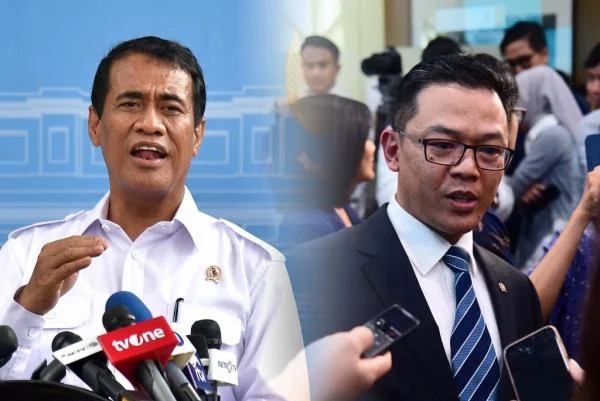
The political landscape of Indonesia has entered a period of significant transition following the nomination of Andi Amran Sulaiman and Sugiono as candidates for the vice presidency. These names, put forward by President Prabowo Subianto to potentially succeed Gibran Rakabuming Raka, have garnered attention from prominent public figures and religious leaders. Among those offering a positive assessment is Anwar Abbas, the Deputy Chairman of the Indonesian Ulema Council (MUI), who emphasized that both candidates possess the professional caliber and administrative track records necessary to navigate the complexities of national governance.
The selection process, currently overseen by the People’s Consultative Assembly (MPR) in coordination with the Supreme Court (MA), marks a pivotal moment in the administration’s strategy for continuity and regional representation. As the nation watches the vetting process unfold, the discourse has shifted toward the qualifications of the candidates and the strategic implications of their potential leadership roles within the executive branch.
Profiles and Professional Backgrounds
The two candidates proposed by the President represent a blend of technocratic expertise and established political experience. Andi Amran Sulaiman, a seasoned agricultural expert and entrepreneur, has served as the Minister of Agriculture across multiple administrations. His tenure has been characterized by a focus on food security, agricultural modernization, and the revitalization of rural economies. His deep involvement in agrarian policy is widely regarded as a significant asset for a government looking to solidify its domestic production capabilities.
Conversely, Sugiono brings a background rooted in strategic national defense and political organization. As a close confidant to President Prabowo Subianto, his involvement in the inner circles of the Gerindra Party and his legislative experience provide him with a comprehensive understanding of the political machinery required to support the President’s agenda. His administrative competence has been tested through his various roles in national policy development, making him a candidate with a strong grasp of the executive functions of the state.
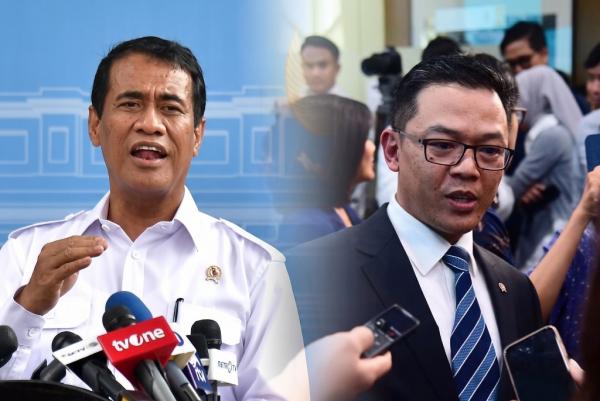
Anwar Abbas noted that the long-standing experience both men have within the government apparatus is a primary requirement for the vice presidency. "Both figures proposed by President Prabowo are quite competent and possess a good track record. Given their extensive experience in government, they are well-prepared for the responsibilities that come with the office," Abbas stated in his assessment released by the MUI.
The Geography of Representation: Bridging the Java-Centric Divide
A defining aspect of this nomination process is the regional background of the candidates. Historically, Indonesian politics has often been criticized for being "Java-centric," with the majority of high-ranking officials hailing from the nation’s most populous island. The inclusion of Sugiono, who has roots in Aceh, and Andi Amran Sulaiman, who hails from South Sulawesi, signals a deliberate move by the administration to address these perceptions of regional disparity.
Anwar Abbas highlighted this as a crucial step forward for national cohesion. "It is worth appreciating that the President is paying attention to development outside of Java. We recognize that development in various regions outside of Java has not yet reached the same level as that seen in the main island," he remarked. By elevating leaders from the western and eastern extremities of the archipelago, the administration aims to foster a more inclusive national narrative and ensure that infrastructure and economic policies are tailored to meet the specific needs of diverse provinces.
Chronology of the Selection and Verification Process
The transition process is governed by strict legal and administrative requirements. The MPR, acting as the oversight body, has initiated a comprehensive verification process to ensure that the proposed candidates meet all constitutional and legal mandates. This involves:
- Eligibility Review: Verification of educational credentials and professional history. Recent reports confirm that the MPR has validated the academic documents of Sugiono, including his diplomas and scholastic records, to ensure absolute transparency.
- Financial Integrity Assessment: Coordination with the Supreme Court (MA) to confirm that neither candidate has been declared bankrupt or is subject to legal insolvency, a requirement stipulated by Indonesian election law to ensure the financial stability of the nation’s top leaders.
- Formal Endorsement: The final vetting stage involves the presentation of these findings to the relevant legislative committees to ensure that the candidates are fit to assume the mantle of the vice presidency.
This rigorous, multi-layered verification reflects the government’s desire to maintain public trust and legitimacy throughout the succession process. By involving the Supreme Court, the administration is effectively neutralizing potential challenges regarding the candidates’ legal standing before they are formally appointed.

Analytical Perspectives on Future Policy Implications
The choice of Amran or Sugiono as the next Vice President will likely carry profound implications for the trajectory of the current administration. If Andi Amran Sulaiman is selected, observers expect a continued, aggressive push toward agrarian reform and food self-sufficiency—a pillar of President Prabowo’s economic vision. His experience in managing large-scale agricultural projects provides a blueprint for addressing inflation concerns related to food prices.
If Sugiono is selected, the focus may shift toward strengthening internal political stability and the execution of the President’s legislative agenda. His proximity to the center of power ensures that the executive branch maintains a cohesive front, which is essential for passing the complex reforms required in the coming years.
Regardless of the final choice, the pressure on the Vice President to act as a bridge between the central government and the regional administrations will be intense. Anwar Abbas’s commentary reflects a broader hope among the Indonesian public: that whoever occupies the position will act as a champion for the marginalized regions. The promise of "building from the periphery," a concept often discussed in Indonesian development discourse, will be the ultimate yardstick by which the success of this appointment is measured.
The Role of the MUI and Religious Leadership
The intervention of the MUI in this discussion is indicative of the organization’s role as a moral compass in Indonesian public life. By publicly evaluating the candidates, the MUI is not endorsing a specific individual but rather providing a framework for the public to understand the qualities expected of a national leader. This form of "civic guidance" helps to stabilize public opinion and ensures that the conversation remains focused on competence and character rather than polarizing rhetoric.
Anwar Abbas’s emphasis on the need for leaders who understand the unique challenges of the outer islands reflects the MUI’s broader commitment to national unity. In a diverse nation like Indonesia, where cultural and religious sensitivities are paramount, having a Vice President who is attuned to the realities of regions like Aceh and South Sulawesi is seen as a safeguard against social fragmentation.
Conclusion: A Strategic Transition
As the verification process nears its conclusion, the Indonesian government is signaling a desire for stability, technical competence, and regional balance. The nomination of Andi Amran Sulaiman and Sugiono is not merely a personnel change; it is a strategic repositioning designed to navigate the challenges of the current economic climate while addressing the long-standing geographic imbalances in the nation’s development.
The forthcoming appointment will be scrutinized not just for the legal compliance of the candidates, but for their ability to deliver on the promises of the current administration. With the backing of key figures in civil society and the meticulous oversight of the MPR and the Supreme Court, the transition is set to proceed with a focus on administrative continuity. Whether the final selection leans toward the agricultural expertise of Amran or the strategic political acumen of Sugiono, the expectation remains clear: the next Vice President must serve as a catalyst for equitable growth across the entire Indonesian archipelago.