The past week has seen a diverse array of developments across Indonesia’s socio-humanitarian landscape, ranging from critical emergency response operations in the heart of Kalimantan to significant policy shifts in education, social protection, and religious pilgrimage management. These events underscore the ongoing challenges and administrative reforms currently being undertaken by the Indonesian government to improve public service delivery and ensure national safety.
Tragic Accident: TNI AD Helicopter Crash in Central Kalimantan
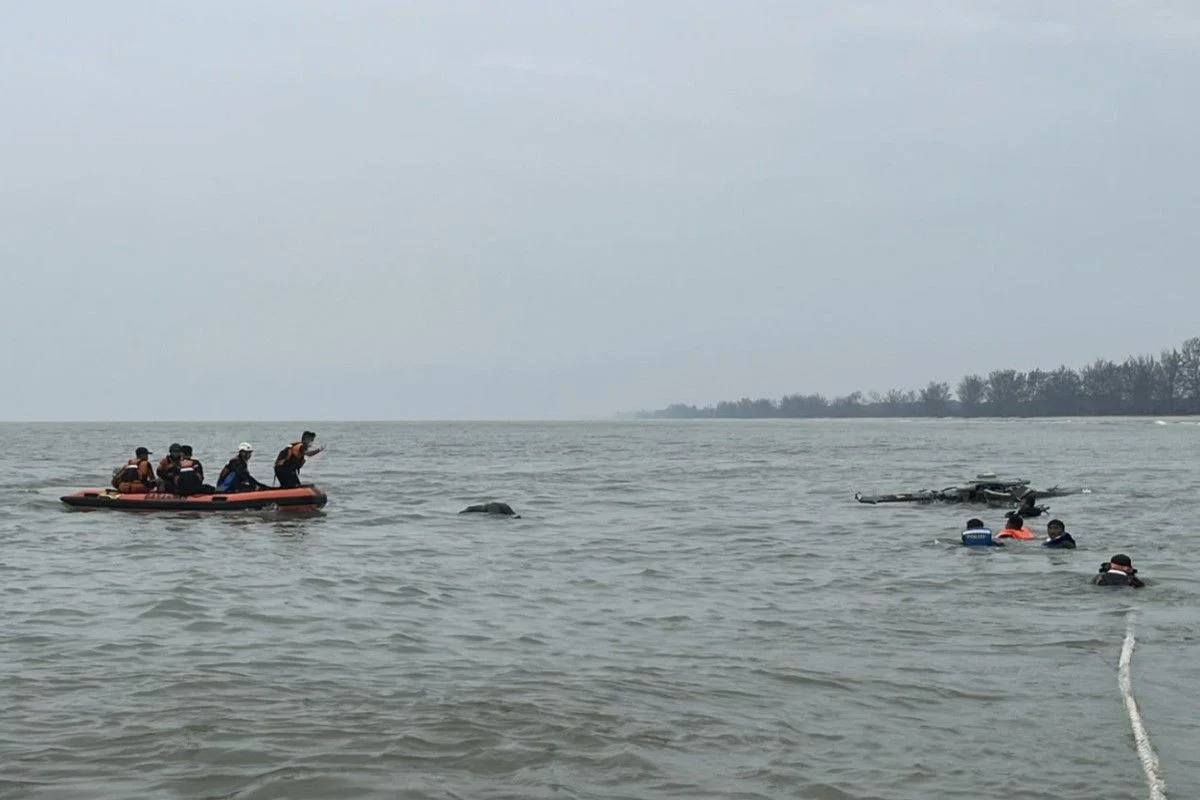
On Wednesday, November 4, 2026, a military operation took a somber turn when a Mil Mi-17V5 helicopter, operated by the Indonesian Army (TNI AD) and bearing registration number HA-5235, was involved in a crash in the waters off Sungai Perlu Village, Seruyan Regency, Central Kalimantan. The aircraft was actively engaged in a critical mission to support water-bombing operations for forest and land fire (karhutla) suppression, a vital task given the environmental vulnerabilities of the region during the dry season.
Colonel Arh Dodo Sahata, Head of Information for the XVII/Tanjungpura Military Command, confirmed the incident shortly after receiving the preliminary reports. The crash site, located in a remote coastal area, necessitated immediate deployment of search and rescue (SAR) teams. The Mi-17V5 is a workhorse of the Indonesian Army’s aviation fleet, frequently utilized for logistics transport, personnel deployment, and emergency disaster relief.
The incident highlights the inherent risks faced by flight crews tasked with firefighting missions, which often involve low-altitude flying, turbulent air conditions caused by heat plumes from fires, and limited visibility due to thick smoke. As of this report, authorities have initiated an investigation into the technical and environmental factors that led to the accident, with military officials pledging a thorough review of safety protocols for ongoing disaster mitigation efforts.
Strengthening the Education Sector: 52,325 Teachers Selected for 2026 PPG
In an effort to elevate the quality of teaching across the country, the Ministry of Religious Affairs (Kemenag) officially announced the selection of 52,325 teachers to participate in the 2026 Teacher Professional Education (PPG) program for in-service teachers (Daljab). This initiative represents a significant investment in human capital, aimed at certifying educators to meet the modern standards required by the national curriculum.
Amien Suyitno, the Director General of Islamic Education, stated that the successful candidates were selected through a rigorous process designed to identify teachers with the potential to improve student outcomes in religious and public schools under the ministry’s jurisdiction. The PPG program is a mandatory professional development pathway for teachers in Indonesia, focusing on pedagogical competence, mastery of subject matter, and the integration of technology in the classroom.
The certification of these 52,325 teachers is expected to have a long-term impact on the quality of education in Indonesia. By formalizing their professional status, these educators will not only gain better access to professional benefits but will also be better equipped to handle the challenges of 21st-century education, ensuring that the next generation of students receives a high-quality, standardized education.
Social Responsibility: Government Urges Empathy in Madiun Tragedy
The tragic murder of a mother and her child in Madiun, East Java, has sent shockwaves through the community, prompting an official response from the Minister of Women Empowerment and Child Protection (PPPA), Arifah Fauzi. Recognizing the severity of the case and the potential for social distress, the Minister has called for a measured, empathetic, and respectful approach from the public.
Minister Arifah emphasized that the focus should remain on providing justice for the victims and supporting the surviving family members, rather than succumbing to speculative discourse. She underscored the necessity of allowing the legal process to unfold without interference, ensuring that law enforcement agencies have the space to conduct a transparent and objective investigation.
This call for public sensitivity reflects a broader governmental effort to combat the harmful effects of cyber-vigilantism and the spread of unverified information during criminal investigations. By prioritizing the privacy and dignity of the victims, the Ministry of PPPA aims to cultivate a more compassionate society that values the rule of law and the psychological well-being of those affected by violent crimes.
Financial Transparency: BGN Clarifies Nutrition Oversight Funding
Amidst concerns regarding the budget allocation for the national nutrition program, the National Nutrition Agency (BGN) has moved to dispel rumors regarding the reduction of salaries for nutritional and financial supervisors within the Nutrition Fulfillment Service Units (SPPG). There had been apprehension that the policy capping operational costs at a maximum of Rp3,000 per beneficiary might inadvertently impact the remuneration of the staff responsible for overseeing these services.
Tysa Novenny, spokesperson for the BGN, issued a firm clarification on Friday, November 6, 2026. She stated that the operational cost cap is strictly limited to direct service delivery components and does not encompass the salary structures of the oversight personnel. "We want to ensure there is no confusion," Novenny said. "The salaries of nutrition and financial supervisors are handled through separate budget components, ensuring that their compensation remains intact and is not compromised by the operational budget limitations."
This assurance is critical for maintaining the morale and integrity of the SPPG, which acts as the front-line implementation arm for the government’s ambitious goal of reducing stunting and improving national nutrition standards. By separating oversight costs from operational expenses, the BGN is aiming for a more transparent and sustainable financial model that protects the staff dedicated to these essential social services.
Policy Reform: Indonesia Joins Saudi Arabia in Combatting Hajj Fraud
In a major step toward protecting the rights of prospective pilgrims, the Ministry of Hajj and Umrah (Kemenhaj) of the Republic of Indonesia has expressed its full support for the Saudi Arabian government’s crackdown on illegal intermediaries and unauthorized brokers in the Hajj service procurement process. The proliferation of "Hajj brokers" has historically been a source of financial loss and legal vulnerability for many pilgrims, often leading to substandard services or fraudulent claims.
The Indonesian government views the Saudi initiative as a vital component in ensuring that the Hajj pilgrimage remains dignified, accessible, and secure. Indonesia, which sends one of the largest contingents of pilgrims to Saudi Arabia annually, has a vested interest in the transparency of the Saudi service ecosystem. By aligning with Saudi authorities, Indonesia is strengthening its oversight mechanisms to ensure that all Hajj-related contracts—from accommodation to transportation—are handled through official, regulated, and auditable channels.
This move is part of a larger, long-term commitment by the Ministry to digitize and professionalize the entire Hajj lifecycle. By removing illicit middle-men, the government aims to reduce costs, eliminate exploitative practices, and provide a more streamlined experience for Indonesian citizens fulfilling their religious duties. The cooperation with Saudi Arabia is expected to set a new benchmark for accountability in the management of international religious travel, emphasizing the Indonesian government’s stance that the sanctity of the pilgrimage must not be undermined by commercial malpractice.
Broader Implications and Future Outlook
The events of this past week highlight the multifaceted nature of governance in Indonesia. From the tragic loss of life in the military’s efforts to combat environmental crises, to the meticulous administrative work involved in teacher certification and social welfare programs, the government is navigating a complex landscape.
The emphasis on transparency—whether it is the BGN clarifying financial structures or the Ministry of Hajj partnering to eliminate corruption—signals a shift toward more robust accountability mechanisms. As these developments continue to unfold, the success of these initiatives will likely depend on the government’s ability to maintain public trust through clear communication and strict adherence to the rule of law.
In the coming months, the results of the investigation into the Seruyan helicopter crash will be closely watched, as will the progress of the 52,325 teachers entering the PPG program. These milestones, along with the ongoing reforms in religious service management, will define the effectiveness of the current administration’s efforts to improve the quality of life and safety for the Indonesian public. The intersection of professional service, legal integrity, and compassionate governance remains the primary framework through which these challenges are being addressed in the latter half of 2026.