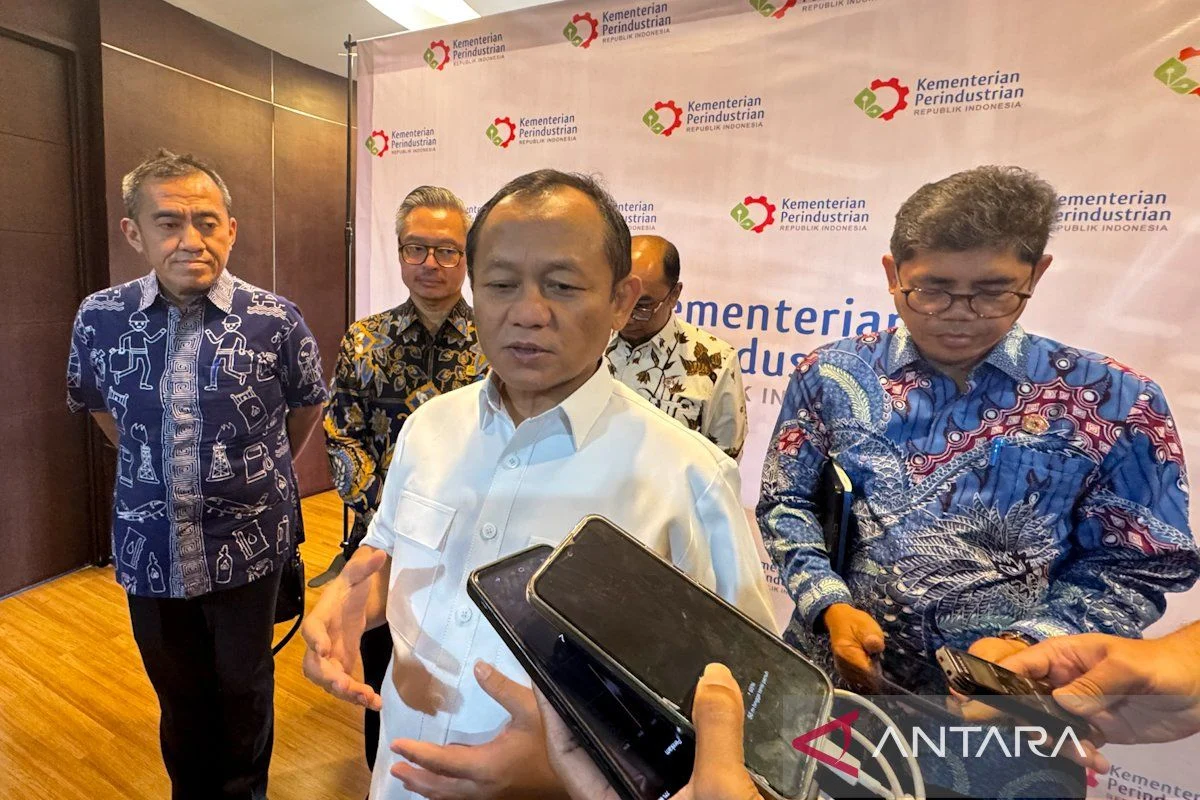
In a strategic move aimed at bolstering national industrial autonomy and optimizing the utilization of indigenous resources, the Indonesian Ministry of Industry has formally urged PT Pertamina (Persero) to expand the application of sago starch as a vital additive in oil well drilling processes. This initiative represents a significant push to elevate the Tingkat Komponen Dalam Negeri (TKDN)—or the Domestic Component Level—within the nation’s energy sector. Following successful pilot programs, the government is now moving toward the formalization of Indonesian National Standards (SNI) to facilitate a broader transition toward using this sustainable, locally sourced commodity.
The Shift Toward Bio-Based Drilling Fluids
The use of sago starch in the oil and gas industry is not merely a symbolic gesture of national pride; it is a technically viable shift toward bio-based drilling fluids. In conventional drilling, starch-based additives are frequently used as fluid loss control agents to manage the viscosity and integrity of the drilling mud, which is essential for stabilizing boreholes and preventing geological collapses.
Minister of Industry Muhammad Sarmuji confirmed that recent field trials conducted on two separate oil wells yielded highly encouraging results. By replacing imported chemical additives with domestic sago-derived products, Indonesia aims to reduce its reliance on global supply chains for drilling chemicals while simultaneously creating a robust new market for domestic agricultural producers. The government’s commitment is anchored in a broader policy of industrial downstreaming, ensuring that raw commodities like sago are processed domestically to generate higher value-added products before they reach the industrial market.
Economic Projections and Market Scaling
The scale of this transition is substantial. According to technical estimates provided by the Ministry of Industry, each individual oil well requires approximately 10 tons of sago starch for standard drilling operations. With Pertamina operating a vast network of infrastructure, the potential demand is significant. Projections indicate that if implemented across a target of 900 wells, the annual demand for sago starch within the energy sector alone could reach 9,000 tons.
This predictable, high-volume demand provides a stable market for farmers and processing facilities in regions such as the Seram Bagian Timur regency in Maluku, where sago cultivation is a historical and economic staple. By integrating these regions into the energy supply chain, the government is not only fostering energy security but also promoting regional economic development. The collaboration between the Ministry of Industry and local processing plants is expected to ensure that the quality of starch meets the rigorous technical specifications required for high-pressure oil extraction.
Chronology of the Initiative
The push for sago-based drilling fluids did not occur in a vacuum; it is part of a longer-term strategy initiated by the Indonesian government to revitalize the national sago industry.
- Early 2025: Initial discussions began between the Ministry of Industry and research institutions regarding the chemical properties of sago starch and its potential as a substitute for imported bentonite or synthetic polymers.
- Mid-2025: Pertamina initiated laboratory testing to ensure that locally processed sago starch could withstand the thermal and pressure conditions found in Indonesian oil wells.
- Late 2025: Two successful pilot wells were drilled using the sago-based additive, with performance metrics matching or exceeding those of conventional chemical additives.
- Early 2026: Minister of Industry Muhammad Sarmuji met with Pertamina leadership in Jakarta to discuss the institutionalization of this practice, specifically focusing on the creation of the SNI (Indonesian National Standard) to mandate and regulate the usage of sago in drilling.
The Role of Regulatory Standardization
A critical hurdle in adopting any new industrial input is the establishment of technical standards. Minister Sarmuji emphasized that the Ministry is currently in the process of drafting the SNI for sago starch intended for oilfield use. This standardization process is essential to ensure that the product is consistent, safe, and effective across different geological environments.
"We have asked Pertamina to scale up the use of sago in the drilling process. The trials have been conducted successfully; now we are preparing the SNI to institutionalize this," Sarmuji noted during the briefing. Once the SNI is established, the government may consider making the use of such domestic materials mandatory for state-owned enterprises, effectively creating a "buy-local" mandate that would provide long-term protection for the domestic sago industry.
Official Responses and Corporate Strategy
PT Pertamina (Persero), represented by the Director of Logistics and Infrastructure, Jaffee Arizon Suardin, has expressed full support for the government’s directive. As a state-owned entity, Pertamina is under constant pressure to optimize its TKDN figures, which are regularly audited by the government to ensure that state expenditures contribute to the growth of local industries.
"As a state-owned enterprise, we recognize that many industries rely on the TKDN policy to thrive. We are committed to collaborating with the Ministry of Industry to identify where we can further incorporate local components," Suardin stated. Pertamina has proposed the implementation of a "business matching" system, which will serve as a platform to connect the company’s specific technical needs with the capabilities of domestic technology providers and manufacturers. This system is designed to streamline the procurement process, making it easier for local firms to bid on contracts and supply the specialized materials that Pertamina requires.
Broad Economic Implications and Industrial Downstreaming
The integration of sago into the energy sector is a prime example of the Indonesian government’s "hilirisasi" (downstreaming) agenda. By forcing the integration of raw commodities into high-tech sectors like oil and gas, the government is forcing the agricultural sector to upgrade its processing technology.
- Technological Upgrading: To meet the standards of the oil industry, sago processors must invest in better extraction, drying, and refinement machinery. This elevates the technological capacity of rural industrial clusters.
- Reduced Import Dependency: Indonesia currently imports a significant portion of its drilling fluids and chemical additives. By replacing these with local sago, the country improves its balance of payments and insulates the energy sector from international price volatility of chemical precursors.
- Environmental Sustainability: Sago is a renewable, carbon-neutral resource. As the global energy industry faces increasing pressure to adopt ESG (Environmental, Social, and Governance) standards, the use of bio-based drilling fluids can improve the environmental footprint of Pertamina’s operations.
- Food vs. Energy Security: A potential point of concern is whether diverting sago to industrial use could impact food security. However, current data suggests that Indonesia has significant surplus production capacity, particularly in eastern Indonesia. The government maintains that the industrial demand can be met without compromising the food supply, provided that the supply chain is properly managed.
Future Outlook and Challenges
Despite the optimism surrounding this initiative, several challenges remain. The logistics of transporting sago from remote regions like Maluku to various drilling sites across the archipelago will require significant investment in supply chain infrastructure. Furthermore, the quality control process must be rigorous; if the sago starch is inconsistent, it could potentially lead to equipment failure or costly delays in drilling operations.
To mitigate these risks, the Ministry of Industry is coordinating with the Ministry of Agriculture and regional governments to establish quality assurance protocols at the processing source. By the time the SNI is officially launched, the government aims to have a robust supply network in place that can guarantee the steady delivery of the required volume of starch.
The partnership between the state and the private sector—and specifically between the energy giant Pertamina and the agricultural processing industry—signals a shift in how Indonesia views its natural resources. No longer is the country content to simply export raw materials or import processed goods. Instead, it is actively building an ecosystem where local resources are engineered to solve industrial challenges, thereby creating a more resilient and self-sufficient national economy.
Conclusion: A Model for Other Commodities
The success of the sago-in-drilling initiative will likely serve as a blueprint for other local commodities. If the pilot program proves to be sustainable over the next 24 months, the government plans to investigate other potential applications for local fibers, starches, and minerals in the industrial sector.
As Minister Sarmuji noted, the ultimate goal is to move Indonesia toward a position where it produces the components it consumes. The initiative is a cornerstone of the broader effort to reach a higher level of industrial maturity, ensuring that the wealth generated from Indonesia’s oil and gas fields is felt throughout the entire national supply chain, from the remote fields of Maluku to the high-tech drilling platforms managed by state-owned enterprises. For now, all eyes are on the upcoming SNI certification, which will mark the official entry of sago into the high-stakes world of international-standard energy production.