The landscape of Indonesian domestic policy and national security shifted on Tuesday as the government addressed a series of critical developments ranging from heightened military presence in the capital to strategic economic planning. The day’s events, centered around the Istana Kepresidenan and various security apparatuses, underscore a period of intensified administrative focus on both stability and long-term national resource management.
Clarifying Military Presence in the Capital
Speculation regarding a large-scale mobilization of Indonesian National Armed Forces (TNI) personnel within Jakarta reached a crescendo on Tuesday, prompting an immediate official response from military leadership. The visual presence of increased military assets in the metropolitan area, which often triggers public anxiety, was addressed by TNI representatives to ensure transparency and maintain public order.
The deployment, which follows standard operational protocols for major urban centers, was clarified as a routine precautionary measure. Military officials emphasized that the presence of troops is intended to support civil authorities in maintaining public safety and order during a period of potential sociopolitical volatility. The TNI underscored that such maneuvers are conducted in strict adherence to the mandate of national sovereignty and the protection of strategic government assets.
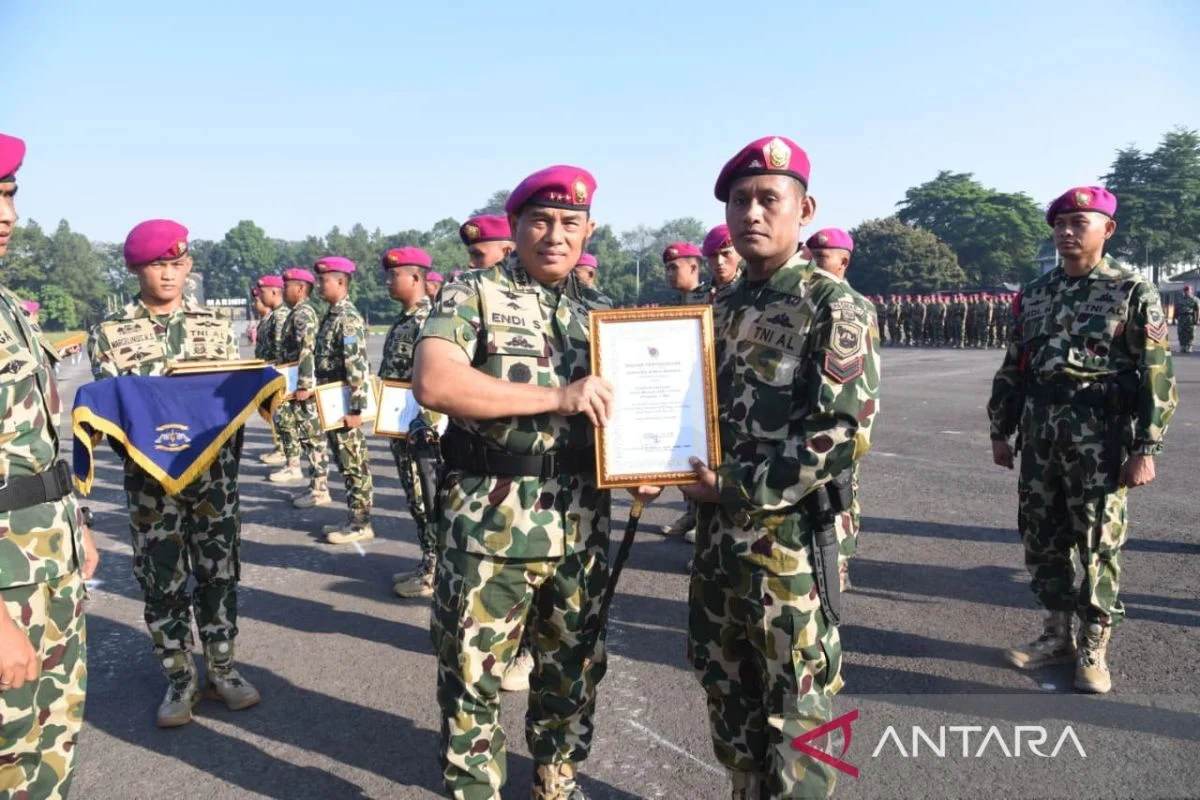
Adding to the narrative of military readiness, the Commander of the 6th Marine Infantry Brigade (Danbrigif 6), Colonel (Mar) Ernesto Ardendi Brahmana, provided further context regarding the operational philosophy of these units. Addressing concerns over potential overreach, Colonel Brahmana asserted that the personnel assigned to the capital have been specifically briefed on human-centric security approaches. This "humanist" strategy is designed to foster community trust while maintaining a robust security posture, ensuring that the presence of the military acts as a deterrent to disruption without infringing upon the daily activities of Jakarta’s citizens.
Historically, the deployment of military units in Jakarta is not unprecedented; it has been utilized during periods of political transition or national significance to safeguard the democratic process. However, the current emphasis on a "humanist" approach signals a modern evolution in the TNI’s civil-military relations strategy, aiming to balance stringent security requirements with democratic norms.
Presidential Consultations at the Istana
Parallel to the security developments, the executive branch under President Prabowo Subianto engaged in high-level consultations. On Tuesday, the President summoned several key figures of the Kabinet Merah Putih (Red and White Cabinet) to the Istana Kepresidenan. Among those noted entering the palace were Minister of Investment and Downstream Industry Rosan Roeslani, Minister of Energy and Mineral Resources Bahlil Lahadalia, and Deputy Minister of Finance Suahasil Nazara.
The closed-door nature of these meetings typically indicates discussions regarding pressing fiscal challenges, legislative priorities, or urgent economic policy shifts. While the specific agenda of the meeting remained largely confidential, the composition of the attendees suggests a focus on the intersection of energy investment, industrial policy, and fiscal sustainability.
These meetings are part of a broader cadence of decision-making that has characterized the early months of the Prabowo administration. By bringing together leaders from the energy, finance, and investment sectors, the administration aims to synchronize its regulatory environment with its ambitious development goals, particularly as the country faces fluctuating global commodity prices and the need to stimulate domestic industrialization.
Strengthening National Energy Security
A significant outcome of the government’s recent deliberations is the push to enhance national energy resilience. Minister of Energy and Mineral Resources Bahlil Lahadalia announced a strategic initiative to develop comprehensive crude oil storage facilities across the island of Sumatra.
This policy is a direct response to Indonesia’s vulnerability to global supply chain disruptions. Currently, the nation’s strategic petroleum reserve (SPR) capacity is a subject of ongoing debate among policymakers. The proposed project aims to bolster the country’s energy buffer, targeting a capacity that would provide up to 60 days of consumption. By decentralizing the storage facilities to Sumatra—a region with proximity to key transit routes and existing refinery infrastructure—the government intends to create a more resilient energy architecture.
The implications of this policy are twofold. First, it addresses the urgent need to stabilize domestic fuel prices against the volatility of the global oil market. Second, it supports the broader national goal of achieving energy independence. Analysis of this initiative suggests that the government is moving away from a reliance on just-in-time fuel logistics, favoring a more robust, long-term storage strategy that can withstand external shocks, such as geopolitical conflicts in the Middle East or maritime chokepoint blockages.
Preserving Regional Stability: The Case of Aceh
While Jakarta dominated the headlines, the national leadership also reiterated its commitment to regional stability in Aceh. Coordinating Minister for Political and Security Affairs (Menko Polkam), Jenderal TNI (Purn.) Prof. Dudung Abdurachman, issued a poignant reminder regarding the fragility and value of the peace established in the region.
The Minister emphasized that the peace in Aceh, solidified by the Helsinki Memorandum of Understanding (MoU), remains a precious asset that requires consistent nurturing. This statement comes at a time when the government is carefully monitoring regional governance and integration efforts. The preservation of peace in Aceh is viewed not only as a localized achievement but as a cornerstone of Indonesia’s national integrity.
By framing Aceh’s stability as a national asset, the government is signaling a departure from past heavy-handed policies toward a more collaborative framework. The Minister’s intervention serves as a warning against any actions that might jeopardize the hard-won harmony in the province, emphasizing that the state’s role is to act as a guarantor of security and a facilitator of sustainable development.
Analytical Overview: The Interconnectedness of Policy
The events of Tuesday reveal a government balancing three distinct but interconnected priorities: securing the capital, managing the economy, and maintaining regional peace.
- Security and Sovereignty: The mobilization of the TNI and the Marine Corps reflects a strategy of "preparedness." In a modern political context, this is a signal to internal and external actors that the government retains full control over its primary seat of power.
- Economic Resilience: The move toward increased crude oil storage is an admission that Indonesia’s previous energy buffer was insufficient for a major crisis. Minister Bahlil’s initiative is a practical, infrastructure-heavy solution to a long-standing strategic vulnerability.
- Political Continuity: The meetings at the Istana underscore the centralized decision-making style of President Prabowo. By keeping key cabinet ministers on a short leash, the President ensures that the administrative machinery remains aligned with the overarching vision of the Kabinet Merah Putih.
Looking Forward
As Indonesia navigates the remainder of the year, the efficacy of these policies will be tested. The public’s reaction to the increased military presence will be a key metric of success for the "humanist" approach advocated by the Marine Corps. Simultaneously, the success of the energy storage initiative will depend on the government’s ability to secure the necessary funding and manage the environmental and social impacts of such large-scale infrastructure projects in Sumatra.
The administration’s ability to maintain these various streams of policy without creating friction points will define the success of this period. With the government emphasizing both strength and stability, the coming weeks will likely see further implementation of these directives, with the Istana remaining the focal point of the nation’s strategic trajectory. The integration of security, energy policy, and regional peace underscores a holistic approach to governance, aiming to insulate the nation from the unpredictability of the global environment while reinforcing the foundations of domestic order.